The impact of the #MeToo movement has been inspiring. As personal stories pour in from all over the world, millions of girls and women are empowered to add their voice. The story has moved beyond the abusive actions of one man to become a conversation about male behaviour towards women and the gendered power imbalance weighted against women and girls in society.
Yet 13,000 kilometres from the Hollywood in stifling hot Bangladeshi refugee camps, thousands of teenage Rohingya girls have not been able to raise their voice to share their own stories of inequality.
Until now.
Fear is endemic, and many girls spend their days on high alert. They are particularly fearful of being robbed, kidnapped or trafficked, after hearing tales of others who have been snatched in the dark.
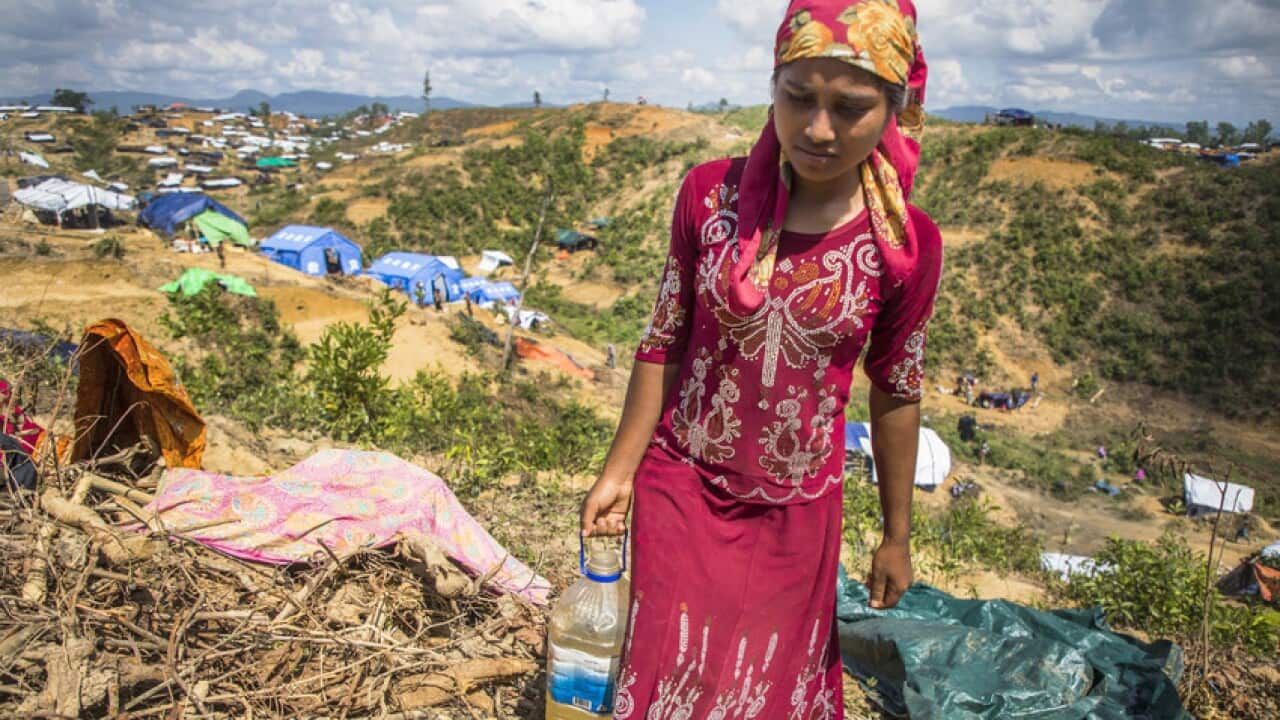
In refugee camps in Cox’s Bazar, Bangladesh, teenage Rohingya girls live out their days confined to tents no bigger than a few metres. Ostracised from their communities and living in fear, their voices are rarely heard beyond the flimsy walls of their tents.
Today is World Refugee Day. A new report from Plan International and Monash University - Adolescent Girls in Crisis: Voices of the Rohingya , gives a voice to experiences of thousands of adolescent girls affected by the crisis in Bangladesh. It is the first report to focus specifically upon their needs in this disaster, and looks to amplify their experiences of the crisis.
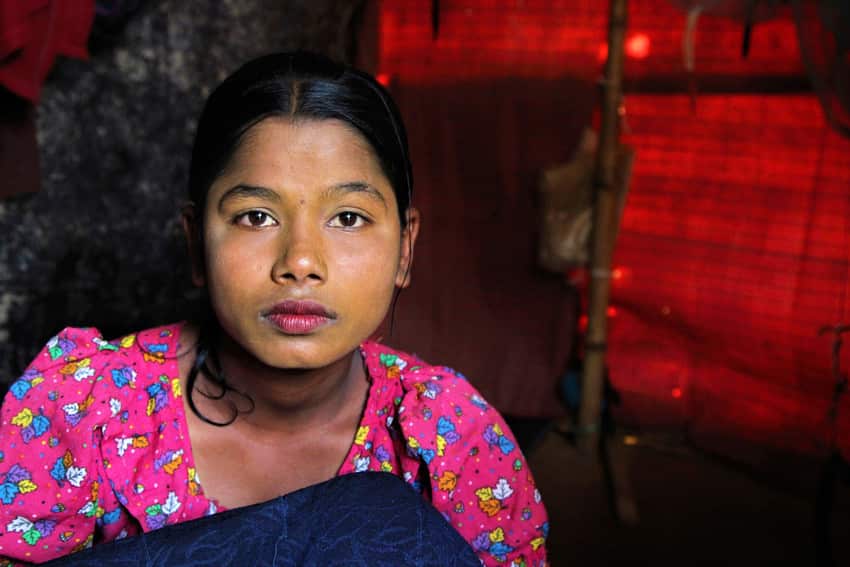
Speaking out for the first time since fleeing violence in Myanmar, the girls share stories of brutal violence and pain.
“They captured girls in Burma so that we felt fear,” explains one 18-year-old girl.
Many told us that girls were beaten, tortured and burned. Each teenager had her own unique story of fleeing the violence.
In the words of one 12-year-old girl: “We had to walk through the mountain to enter Bangladesh and hide due to fear. The food we brought didn’t last long and we had to starve.”
In the refugee camps, many girls spend their days on high alert. They are particularly fearful of being robbed, kidnapped or trafficked, after hearing tales of others who have been snatched in the dark.
Too scared to leave their refugee tents for fear of sexual violence or being trafficked or kidnapped, many girls never or rarely leave. If they do, it is early in the morning or late at night to use the toilet. As a result, they have limited access to support services and opportunities to develop friendships to lift their spirits. Nearly half (42%) of girls surveyed between 15 and 19 said they feel sad most days.
Languishing in tents that are stifling hot, their sense of boredom and isolation is profound. Many girls feel a strong sense of homelessness and mourn the life they left behind.
"I cannot tolerate this sorrow anymore,” says one girl. “I want to go back to Burma.”
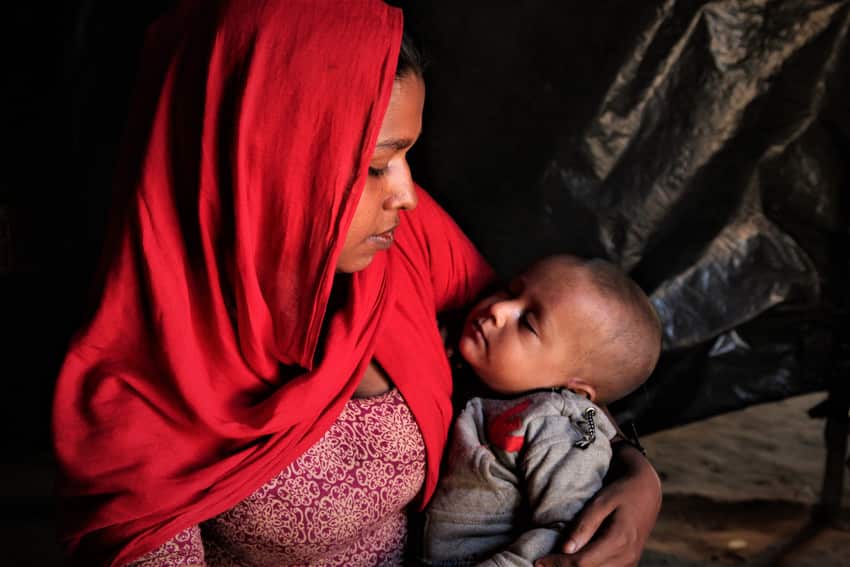
But even in such an overwhelming place, they demonstrate positivity and hope for their future. Girls have a passion for education and told us they want to go to school and develop skills that will help them and their communities.
“I want to complete my education and get a job, and work for the welfare of this community,” says one 12-year-old girl.
Another 14-year-old told us: “I want to be educated but cannot. This is the biggest barrier in my life. I have a desire to establish myself by studying.”
The report reveals girls desperately want to go to school, but only 28 per cent of those surveyed were attending educational programs. Almost no teenage girls between 15 and 19, had access to learning or educational programs.
Their thirst for learning is met with devastating obstacles. There’s limited learning opportunities, few female teachers, significant security concerns, language issues, and negative community attitudes towards girls’ education. Many are told to stay at home and focus on chores instead.
One community leader told us: “Parents say honour is more important than education.”
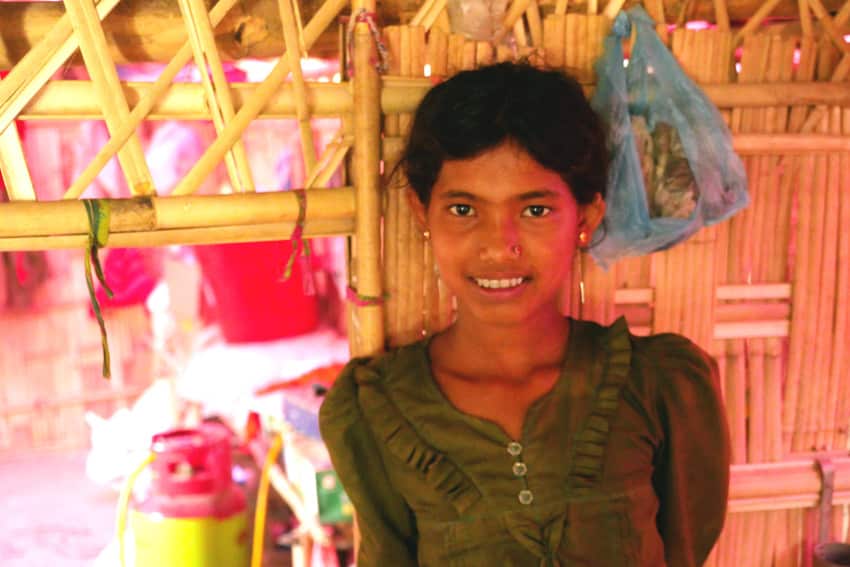
When asked what they need to improve their lives, the girls were very clear: they want to learn, feel safe, learn and seek support through friends. Some suggested practical improvements like better lighting to make it safer to go to the toilet at night. They want to access clean water for drinking and bathing, and good quality food.
Mostly, the girls strongly asserted their need to have a voice in this crisis.
Our report is the first step in allowing these girls to narrate their own experiences of the Rohingya crisis, and to demonstrate their unique needs are not being addressed. We must use their experiences and perceptions to inform policy and humanitarian programming so that they do not suffer in silence. No girl should.
Plan International is working around the clock to support these girls, including by keeping them safe and offering support through Child Friendly Spaces. But there is so much more to do.
For #MeToo to be a truly successful movement, we have more work to do to lift up girls and women globally. We have a responsibility to care as much about girls we will never meet as those that occupy our television screens.
The teenage girls enduring Cox’s Bazar deserve it.
Susanne Legena is CEO of Plan International Australia.