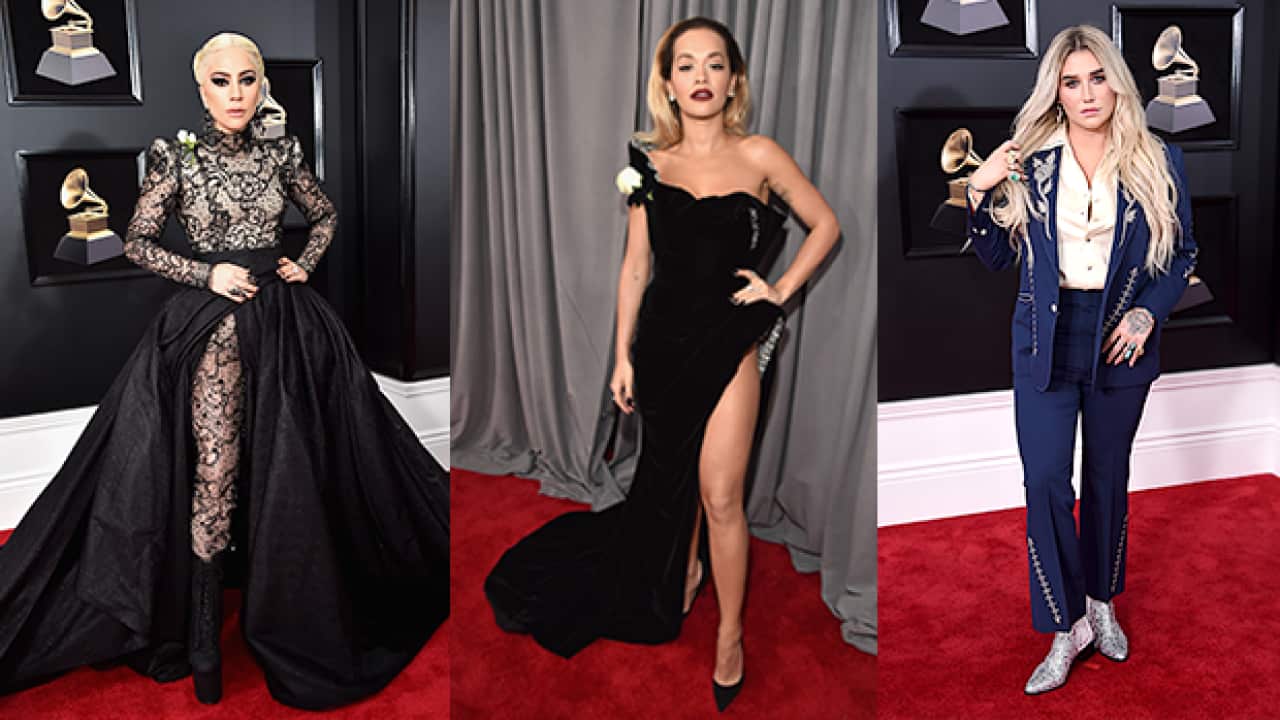
Stars stepped onto the red carpet for the 60th Annual Grammy Awards, and you might have noticed that many of the artists and industry heavyweights are wearing white roses on their gowns and tuxedos.
Artists such as Lady Gaga, Kesha, Pink, Kelly Clarkson, Kendrick Lamar, Cyndi Lauper, Cardi B, Reba McEntire, and Rita Ora all incorporated a white rose in their black tie attire for the evening - but the flower is more than just an accessory.
A symbol of "hope, peace, sympathy and resistance", the white rose is a subtle show of support for the #TimesUp initiative created by high-profile female actors in a bid to bring awareness to the sexual misconduct in Hollywood. The group also financially aids the legal battles of those who have outed alleged abusers in the entertainment industry.
So, is this perhaps a sign that musicians are about to begin their own wave of #MeToo allegations about abusers in the music industry?
The music industry has remained strangely silent during 2017's powerful uprising of #MeToo. Surprisingly few women have come forward with allegations, despite the industry's notorious mistreatment of women. But is it really that surprising?
Pop musician Kesha was embroiled in a long-running legal battle against her former producer, Sony's Dr. Luke, since late 2014 - three years before the #MeToo movement came to fruition. Kesha accused the producer of drugging and sexually assaulting her. Several female musicians offered support to the songwriter, as the court dictated in January 2017 that she would not be able to exit her contract with Sony. In a countersuit, Kesha wrote, "You can get a divorce from an abusive spouse. You can dissolve a partnership if the relationship becomes irreconcilable. The same opportunity – to be liberated from the physical, emotional, and financial bondage of a destructive relationship – should be available to a recording artist". A judge refused to amend her case, for reasons pertaining to owed royalty payments.
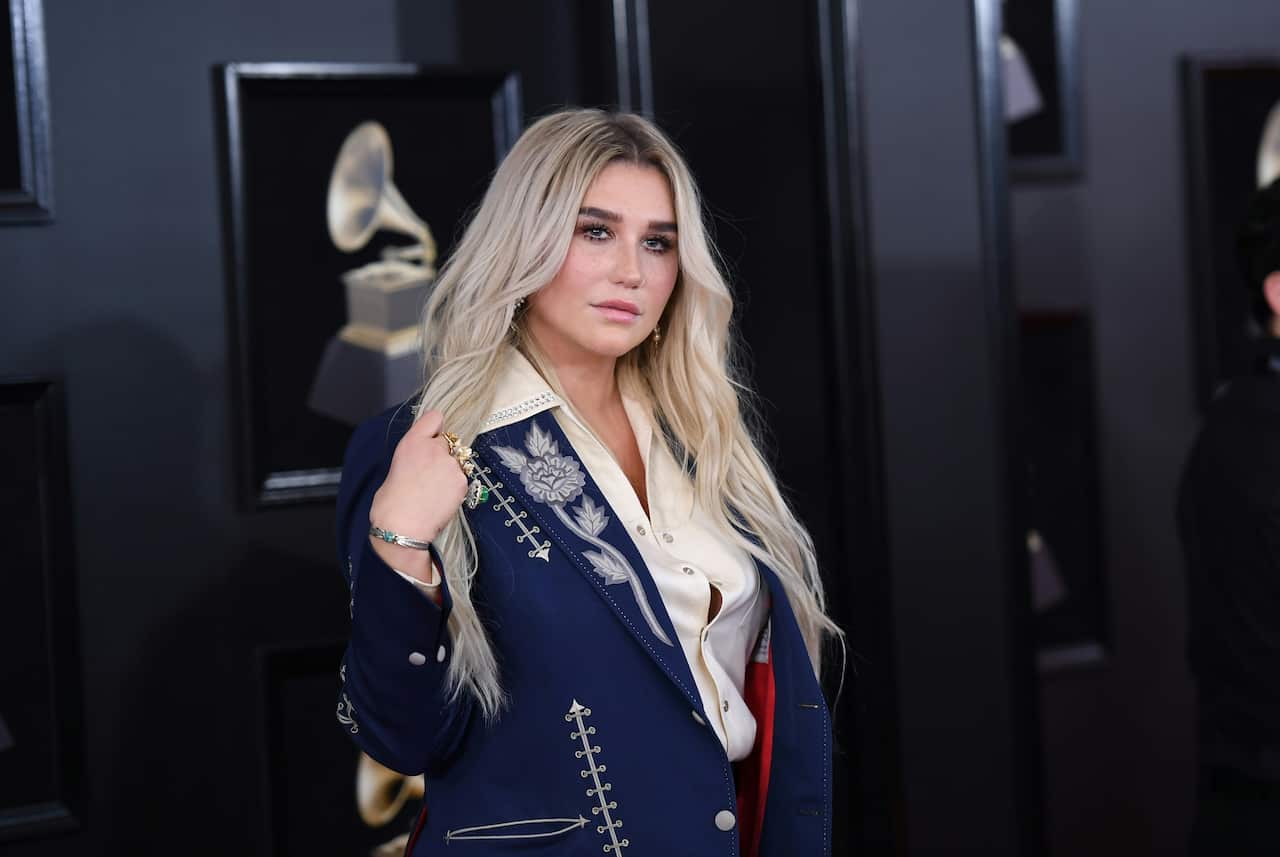
Despite the heartbreaking nature of Kesha's experience, a handful of women have chosen to come forward in recent years about sexual misconduct in the music industry. Very, very few of those alleged abusers have faced court, nor were their careers heavily impacted, if at all.
R.Kelly has been accused of sexual misconduct for a number of years. Despite numerous reports and allegations, othing has ever come of the claims, despite parents of young women even alleging their daughters were being held captive in a 'cult' at the singer's house.
Crystal Castles' frontman Ethan Kath was accused by former bandmate Alice Glass of rape and sexual assault, which she alleged dated back to when she was only 15 years of age, and was the reason why she left the band. Kath was not arrested or charged after Glass' accusations, and Crystal Castles (with a new lead singer) is still successfully touring and recording. In fact, Kath began a defamation lawsuit against Glass.
Former Backstreet Boy Nick Carter was accused of rape last year by singer Melissa Schuman, who said that after the alleged assault, she believes he also attempted to sway producer's opinions of her, which caused her to lose potential work - Carter has denied all allegations, and has seen no impact on his career.
When industry mogul and Def Jam co-founder Russell Simmons was accused of assault and/or misconduct by nine different women in December, many believed that would be the beginning of music's #MeToo boom - instead, the industry fell notably silent.
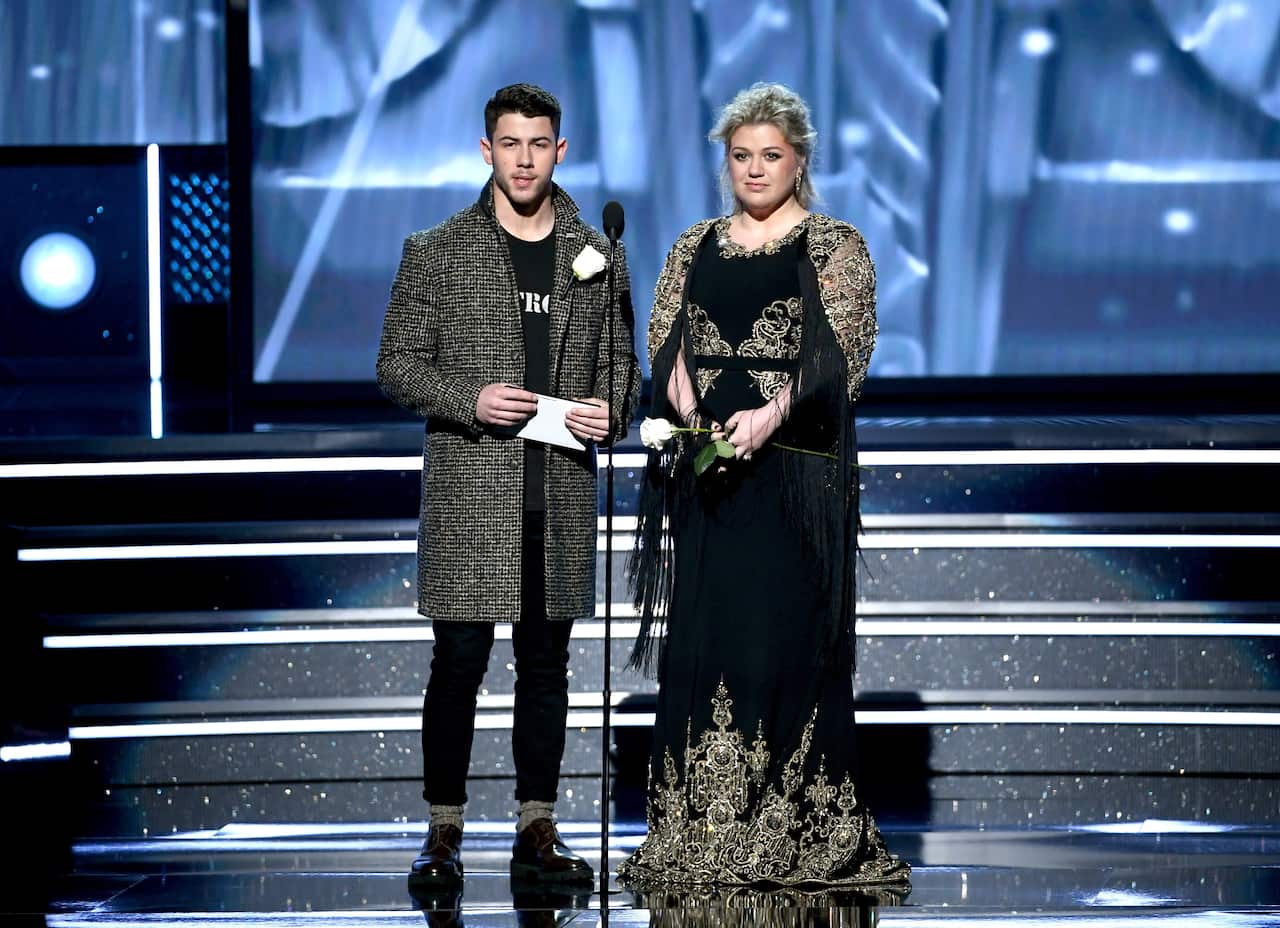
Singer Lily Allen spoke out about why the music industry has been comparably quiet when it comes to #MeToo, explaining that the situation that many artists find themselves in contractually makes outing sexual misconduct even more difficult.
On Twitter, the pop artist explained that due to long-term contracts, women are placed in a horrible lose-lose situation if they experience sexual assault at work. If they stay quiet, they're at risk of further attacks/harassment. If they come forward, they risk losing more than a decade of consistent work, and they'd also experience extreme difficulty in finding a similar contract elsewhere, due to the "boys club" nature of the industry.
“The reason people in music aren’t coming forward in droves is because we’re all in decade long deals,” she wrote on Twitter. “Unlike film and TV where for the most part contracts last as long as any one project.
“Say you’re on album one of a five album deal. Music industry is a boys club, especially at executive level, if you report something and it goes nowhere, as is the case mostly, there is a strong likelihood that your abuser will be connected to someone who [has] direct control over your future.
“Most people are very young and impressionable upon entering the music industry, a lot of people around offering ‘advice’. Those people often stand to benefit financially if victims keep their mouths shut.”
One of Allen's followers responded asking if Kesha's aforementioned situation may have dissuaded other women in the industry from coming forward, to which Allen responded, "Yep".
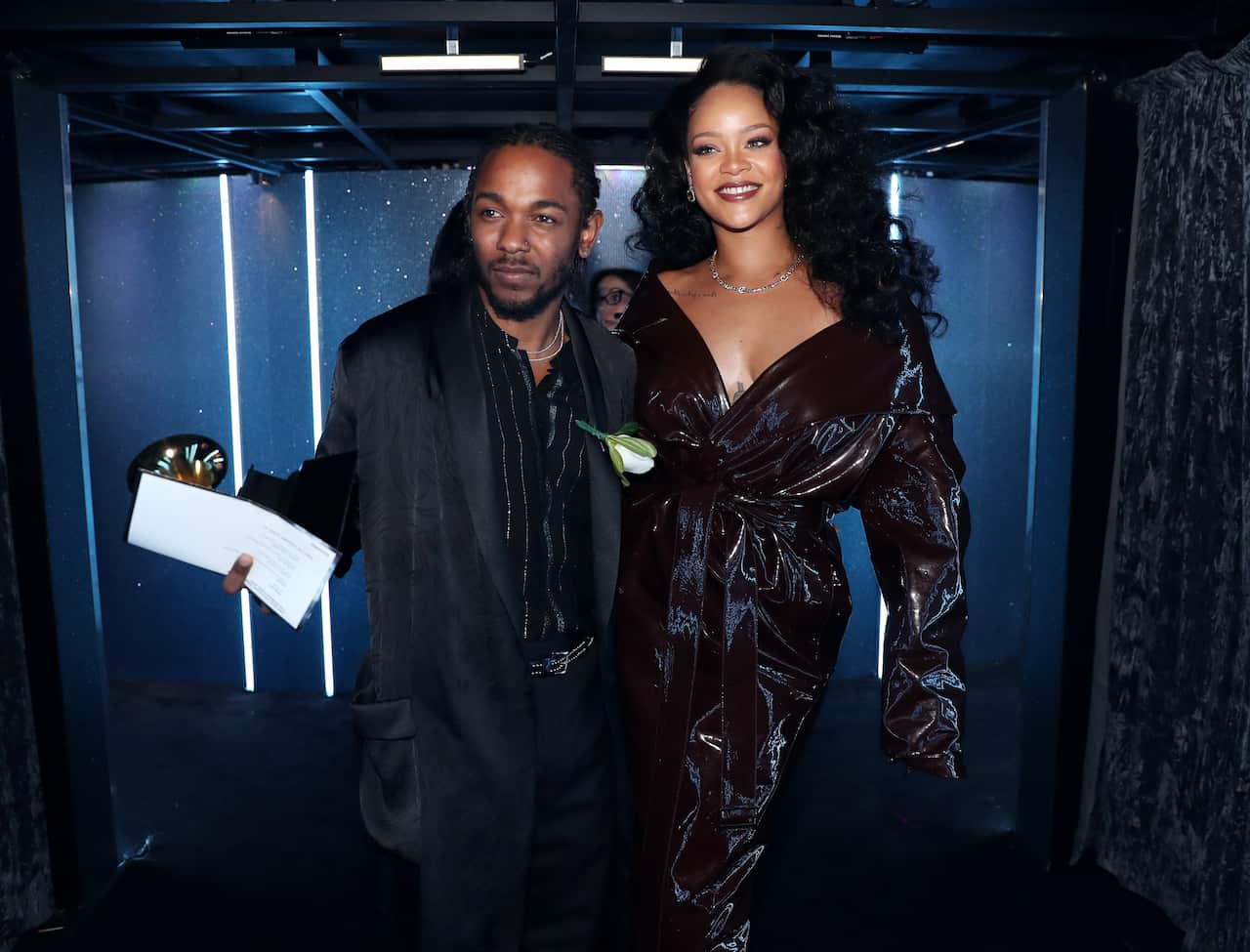
Female musicians from Australia made their first venture into #MeToo movement last year, with an open letter titled #MeNoMore. The letter included self-written anonymous stories about sexual assault and harassment that women in the Australian music industry had experienced, and was signed by industry leaders such as Courtney Barnett, Tina Arena, Isabella Manfredi, Missy Higgins, Myf Warhurst. It has now been signed by more 1000 people.
So, is it a mystery, why the music industry hasn't experienced the same shakedown that the film industry did? Not particularly - the music industry was a "boys club" (as Lily Allen so eloquently put it) for generations, so the odds are historically and institutionally stacked against women.
But, the white roses are the first 'united front' we've seen from the American music industry regarding the influential movement - so this could be a formidable sign of change to come.
Let's hope the white roses symbolise the beginning of the revolution for ALL women in the music industry, rather than remaining a pretty decoration. The roses, and the women wearing them, are far more powerful than that.