I remember when the first season of Smallville aired on TV. I was in my mid-teens and obsessed, and it wasn’t just because it told the back story about my favourite superhero. It was all because of one thing: it was the first show I watched with closed captioning. I suddenly felt like I was a part of Clark Kent’s story, more so than anything else I had watched on TV.
My parents had installed a new digital set top box on the analog TV. This was in the early days of digital transmission, when flat screen TVs were still expensive. They were relieved to be able to watch shows with clear sound and visuals after years of living in an area with temperamental signals, despite the countless antenna adjustments on the roof. But as someone with complete hearing loss in the left ear and severe loss in the right – simply switching on the closed captions by pressing the “subtitles” button changed my life.
I no longer felt humiliated when family members told me to “turn the volume down” because I didn’t want to miss anything on whatever I was watching. I no longer needed someone to clarify plot holes that may have gone over my head. I was finally on the same level as a hearing person and able to experience TV in the same way as they do.
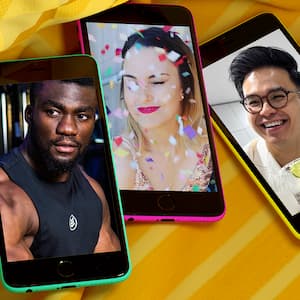
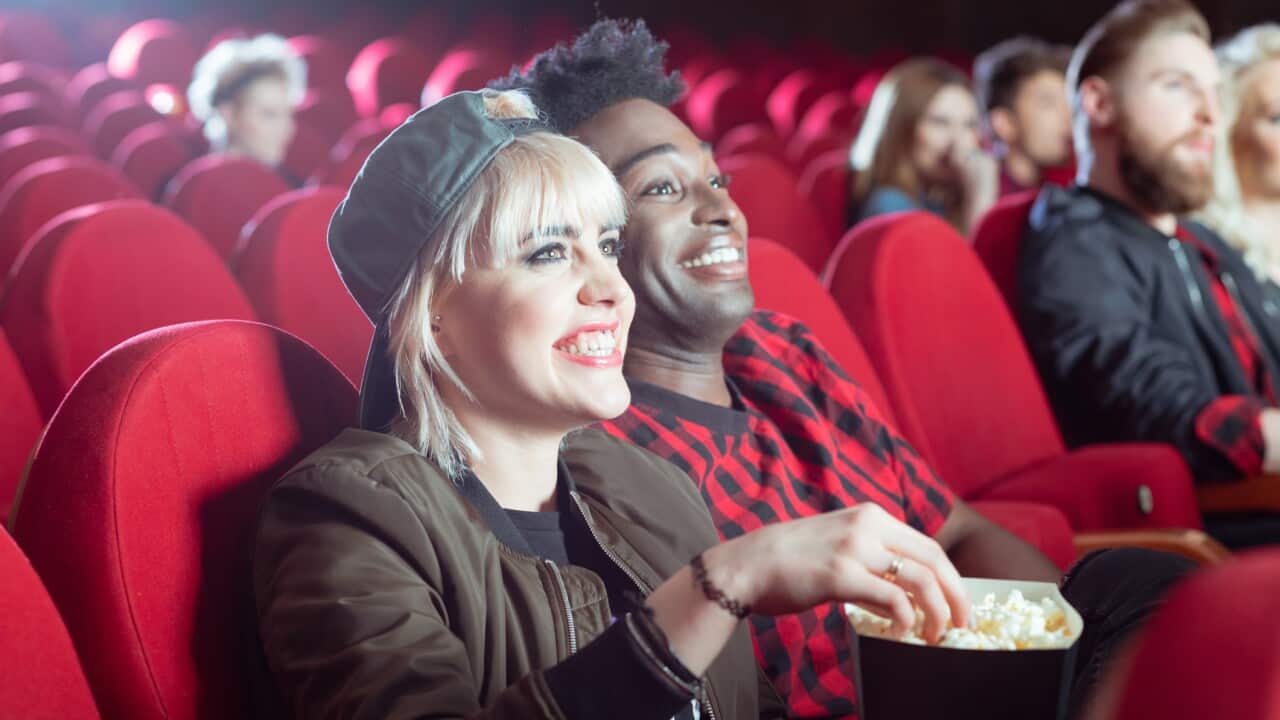
It’s becoming increasingly common for normal-hearing people to watch TV, Netflix, Stan or online video content with subtitles. It makes watching movies, shows or short clips a lot easier, especially on public transport or in the office. They also cater well for people living with ADHD or autism, or for those wanting to learn a new language.
Yet, the stigma of using subtitles is still prevalent – especially in cinemas.
Despite being just a step away from complete deafness, I’m high-functioning and the hearing aid in my right ear helps me live independently. I’m also lucky that surround sound systems make my cinema experiences generally fine. This could be because I wasn’t born with hearing loss or because of my ability to subconsciously lip read. But I still miss things, especially if there’s whispering or mumbling, when there’s lots of voice over dialogue (I avoid watching documentaries in cinemas for this reason), when actors don’t face the camera or when they have their mouths covered while speaking.
So it’s frustrating that few cinemas offer captioned movie sessions, and when they do, it’s at inconvenient time slots. CaptiView may be offered, but these clunky devices are not always accurate, and can make deaf or hearing-impaired cinema goers feel like outcasts. In addition, while all modern cinemas offer a telecoil loop for hearing aids, hardly any – at least in my experience – are maintained, or ever work properly.
In the age of online streaming, where subtitles are readily available, and with an increasing number of media outlets applying them on social media video posts – it’s strange that cinemas are not adapting as well.
In the age of online streaming, where subtitles are readily available, and with an increasing number of media outlets applying them on social media video posts – it’s strange that cinemas are not adapting as well. Film distribution companies can supply cinemas open captioned versions of their movies without any hassle, and at little to no extra cost.
Ability Links NSW – a state government initiative which aims to support and connect people living with disability, their families and carers in the community – recently conducted trials at two independent cinemas in Sydney that focused on offering captioned movies during popular session times, such as mid-week evenings or weekends. The trial was done at GU Filmhouse Cronulla mid last year, followed by another trial at Randwick’s Ritz cinema a few months later.
Ability Links told me that the response to their trials was overwhelmingly positive. The vast majority of cinema goers during these trials had good hearing, and almost all were happy to watch movies with subtitles. Some even commented how much of a positive difference it made in their overall cinema experience with a friend or relative who was hard of hearing.
According to Ability Links, cinema operators found that adding regular open captioned films at more sociable times had no negative impact on their revenue.
The Ritz now offers three movie sessions per week with open captions, while the GU Filmhouse Cronulla offers one per fortnight. Ability Links said open caption screenings have now started at Dumaresq St Cinema in Campbelltown and at the Avoca Beach Picture Theatre, and they were currently in talks with Palace Cinemas.
The vast majority of cinema goers during these trials had good hearing, and almost all were happy to watch movies with subtitles. Some even commented how much of a positive difference it made in their overall cinema experience with a friend or relative who was hard of hearing.
It’s time for all Australian cinemas – especially the big chains – to offer regular prime-time movie sessions with open captioning.
Throughout my adult life, I’ve heard many people and read online comments arguing that cinemas shouldn’t make adjustments to cater to the needs of a small minority. If anything, this is divisive. It also adds to the stigma that deaf or hearing-impaired people have to navigate in order to feel included and on par as everyone else when watching a movie at the cinemas. American’s Next Top Model winner and prominent deaf campaigner Nyle DiMarco has even presented an oped about this. How can we talk about the latest blockbuster releases with our friends and family when there isn’t equitable access for us to begin with?
I also often hear or read excuses from normal-hearing people that “subtitles are distracting”, or question its purpose if “they’re speaking English anyway”. However, almost everyone I know who has watched movies or TV shows with subtitles while with me, now use them regularly without me. All those episodes of Game of Thrones or The Crown where you came away feeling confused thanks to a complex plot or too many characters? Subtitles may have made a difference. There's no shame in that – and there never should be. For anyone.
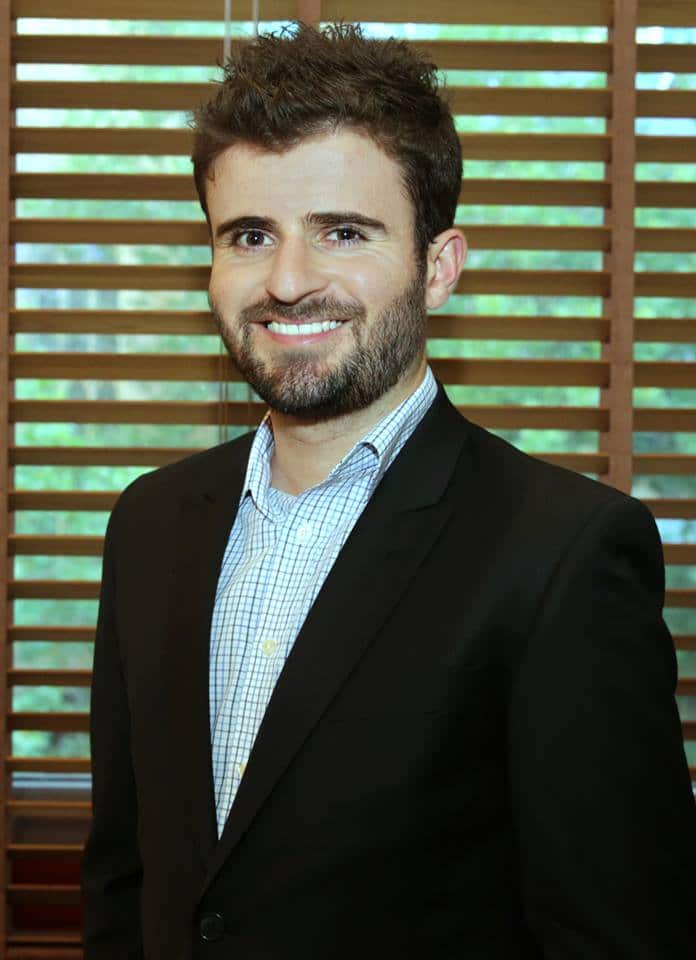
Elias Jahshan is an editor and freelance journalist based in London. You can follow him on Twitter: @Elias_Jahshan