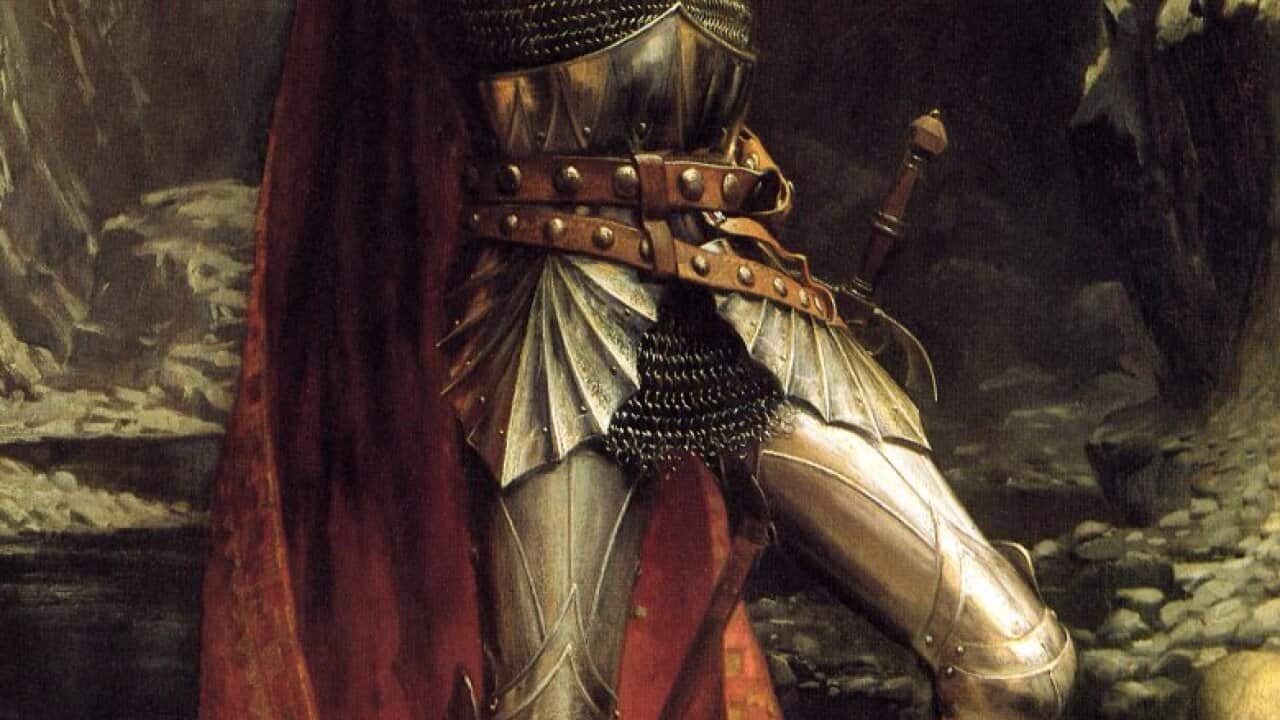
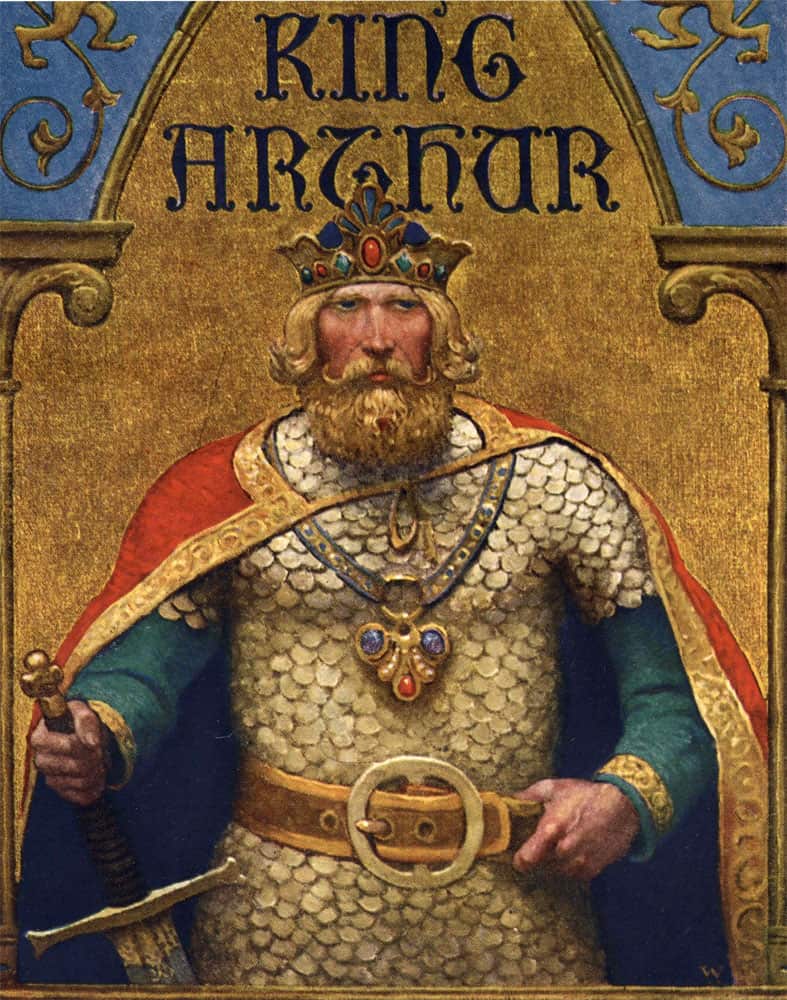
The fact that King Arthur is almost certainly a myth doesn’t seem to matter to the hordes of admirers who cite him as the pinnacle of chivalry, romance and heroism. King Arthur and his associates, including his wife Queen Guinevere, the wizard Merlin, his sword Excalibur and the heroic knight Lancelot have been cemented into our collective imagination since the 12th century.
New documentary King Arthur’s Britain: The Truth Unearthed, hosted by Professor Alice Roberts, explores what Britain would have been like during King Arthur’s time in the late 5th and early 6th centuries and looks at the limited physical evidence of his life and that of Camelot.
But before you watch, brush up on your King Arthur knowledge with some of these lesser-known facts about the man and the myth...
King Arthur was used as a propaganda tool for the Tudors
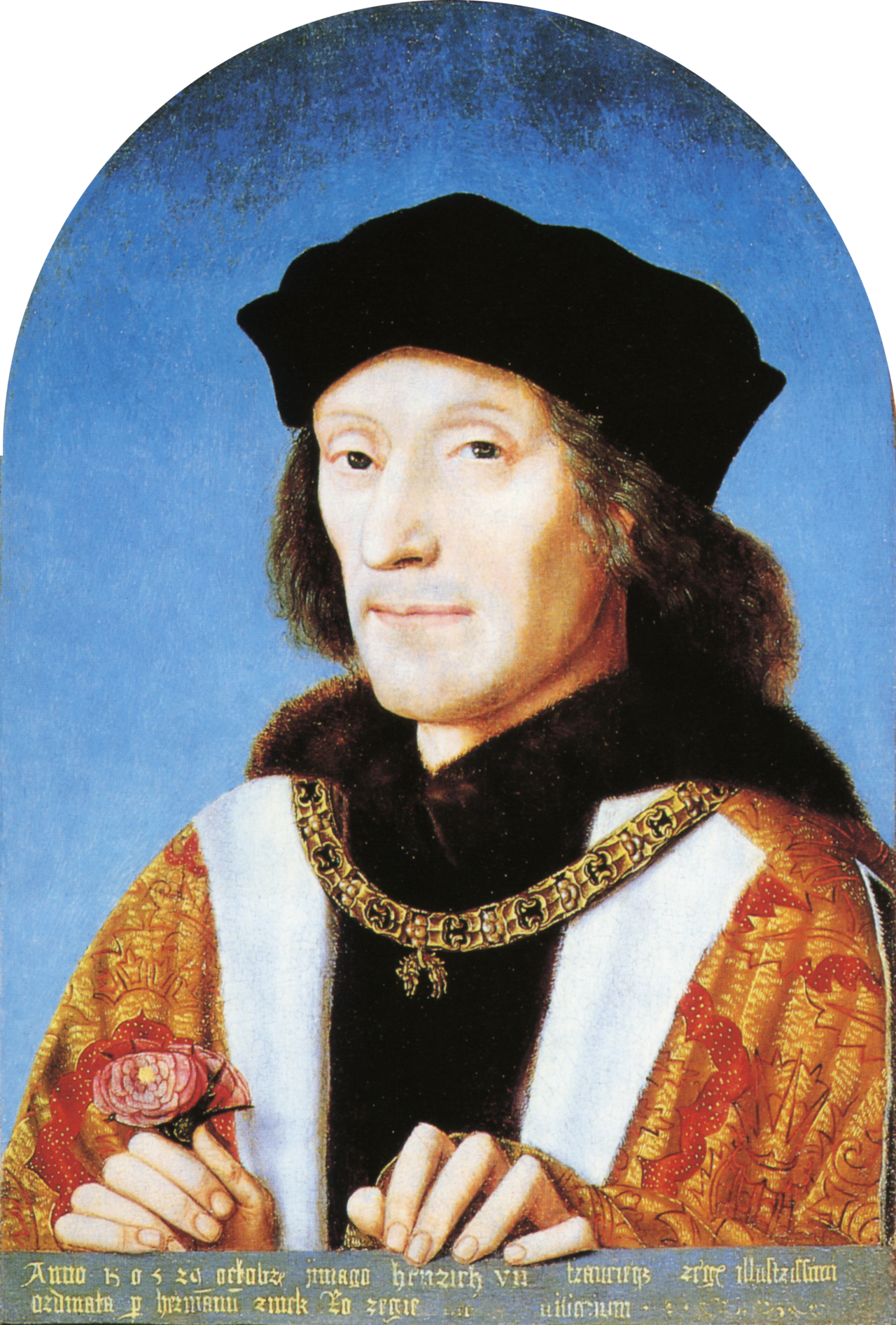
Way before the Kardashians, the Tudors, England’s most famed royal dynasty, were the first kings and queens to really understand the power of good PR. King Henry VII, who became the first Tudor monarch in 1485, knew that his own claim to the throne was extremely shaky, so he claimed that he was descended from King Arthur. He went so far as to have royal genealogists trace his lineage back to Camelot. He also named his firstborn son after King Arthur as further proof of a link between the two.
Henry VII’s younger son, the infamous Henry VIII, continued this tradition, commissioning the redecoration of the stunning Winchester Round Table as part of his own propaganda campaign.
King Arthur played a role in England’s conquest of the New World
How is a 12th century British myth and the invasion and conquest of North America linked? John Dee, a true Renaissance man who dabbled in everything from maths to astronomy, convinced Queen Elizabeth I that the early Britons, including King Arthur, had in fact visited the New World, and therefore the English had an unquestionable right of conquest. By 1607, England had achieved just that.
Although it’s likely he didn’t exist, he may have been inspired by a real person
Historians have researched extensively into the Anglo-Saxon monarchies (which eventually united England into one country before being toppled by the Norman invasion in 1066) and the overwhelming conclusion is that King Arthur is indeed a myth. However, he did not simply appear out of thin air. Some believe him to be based on a real-life Roman-affiliated Scottish military leader who prevented the Anglo-Saxons from invading Britain.
The Anglo-Saxons did, however, successfully invade and take over Britain during the latter half of the 5th century, so any real-life efforts were eventually in vain.
The term ‘round table’ comes from King Arthur
If you’ve ever been part of an organisation, chances are you’ve heard the phrase ‘round table’, which simply means a meeting in which there is no head and everyone is equal. King Arthur ‘invented’ the round table as a way to gather high-ranking nobles and peers, with everyone given equal time to speak and participate.
King Arthur’s influence remains strong - especially in Game of Thrones
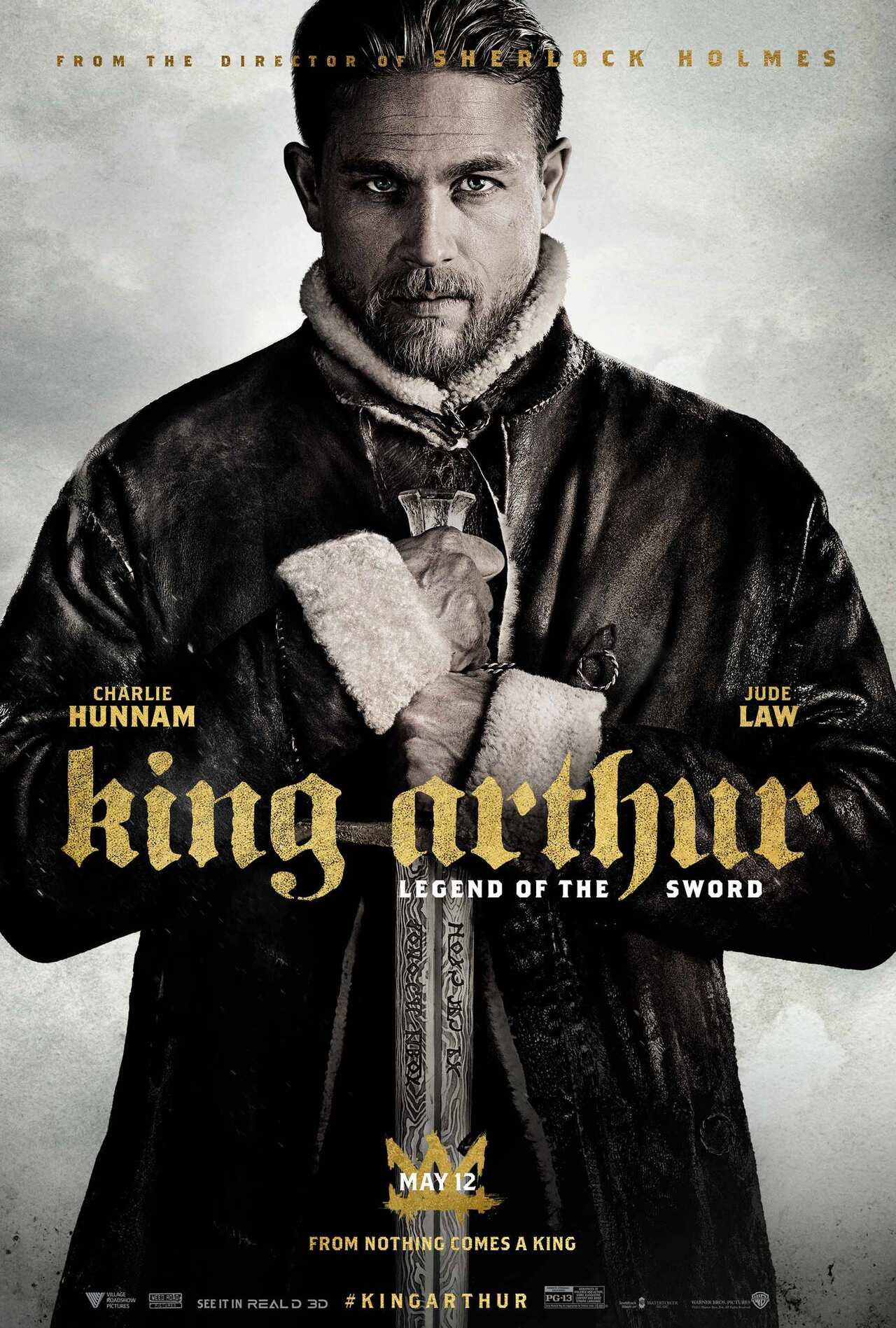
King Arthur remains culturally relevant, more so than many monarchs who actually existed. In just the past 15 years, three movies have been made about King Arthur – the imaginatively titled King Arthur (2004), King Arthur: Legend of the Sword (2017) and the upcoming The Kid Who Would Be King (2019), which uses the Arthurian legend as the basis for a new children’s adventure story.
And Game of Thrones uses King Arthur as an inspiration for several of its characters, but with a significant twist: anyone initially deemed to be Arthurian, like Bran Stark for example, is consigned to a horrific fate.
There’s a myth that King Arthur will reappear… but there’s a catch
It’s said that the king will return but only when Britain is under threat from foreign invasion. And considering that William of Orange did indeed successfully invade in 1688, and Nazi Germany tried to invade Britain multiple times during World War II, it’s safe to say that this myth is just that.
King Arthur’s Britain: The Truth Unearthed airs on Friday, 18 January at 7.30pm on SBS. Catch it at SBS On Demand after broadcast.