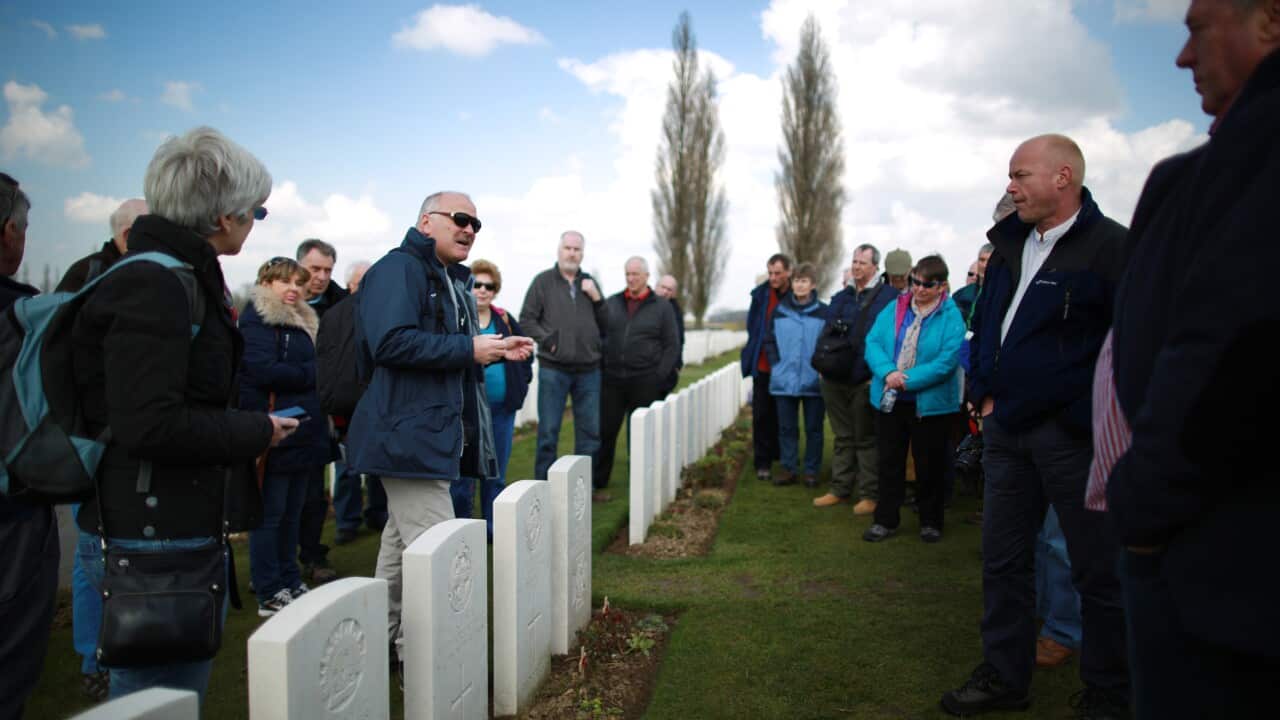
The opportunity to stand right on the spot where history was made, where all that stuff you read about in school books or saw in On Demand docos happened can be overwhelming. You might be overcome by the significance of where you are, overwrought by the heavy hand of the past, or overexcited by the possibility of Instagramming your moment. But before you become a battlefield tourist, take a moment to read over these pointers.
Go into the visit with at least some basic background information
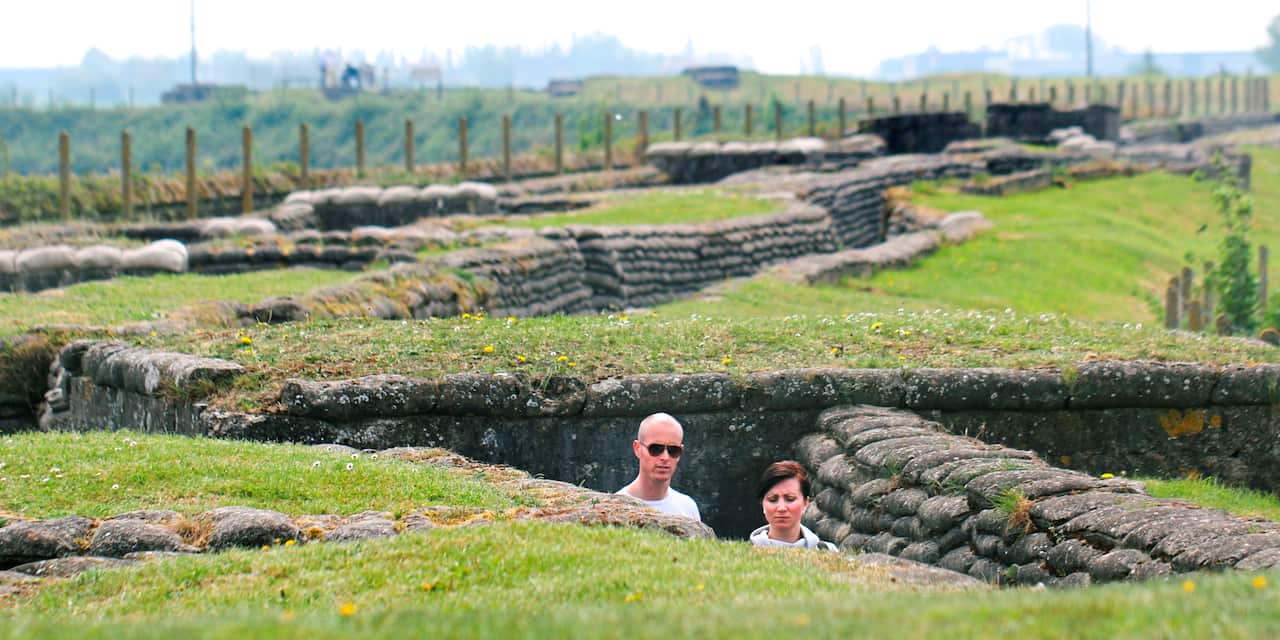
Realistically, your big overseas trip probably isn’t going to be made up of a huge amount of historical study. But if you’re going to make the effort to visit the Cu Chi Tunnels or My Lai, find a place with wifi first and at least read the Wikipedia entry so you know what you’re in for. You should also do some research on appropriate clothing and any local rules or customs you may be required to follow.
Don’t walk through the mass graves
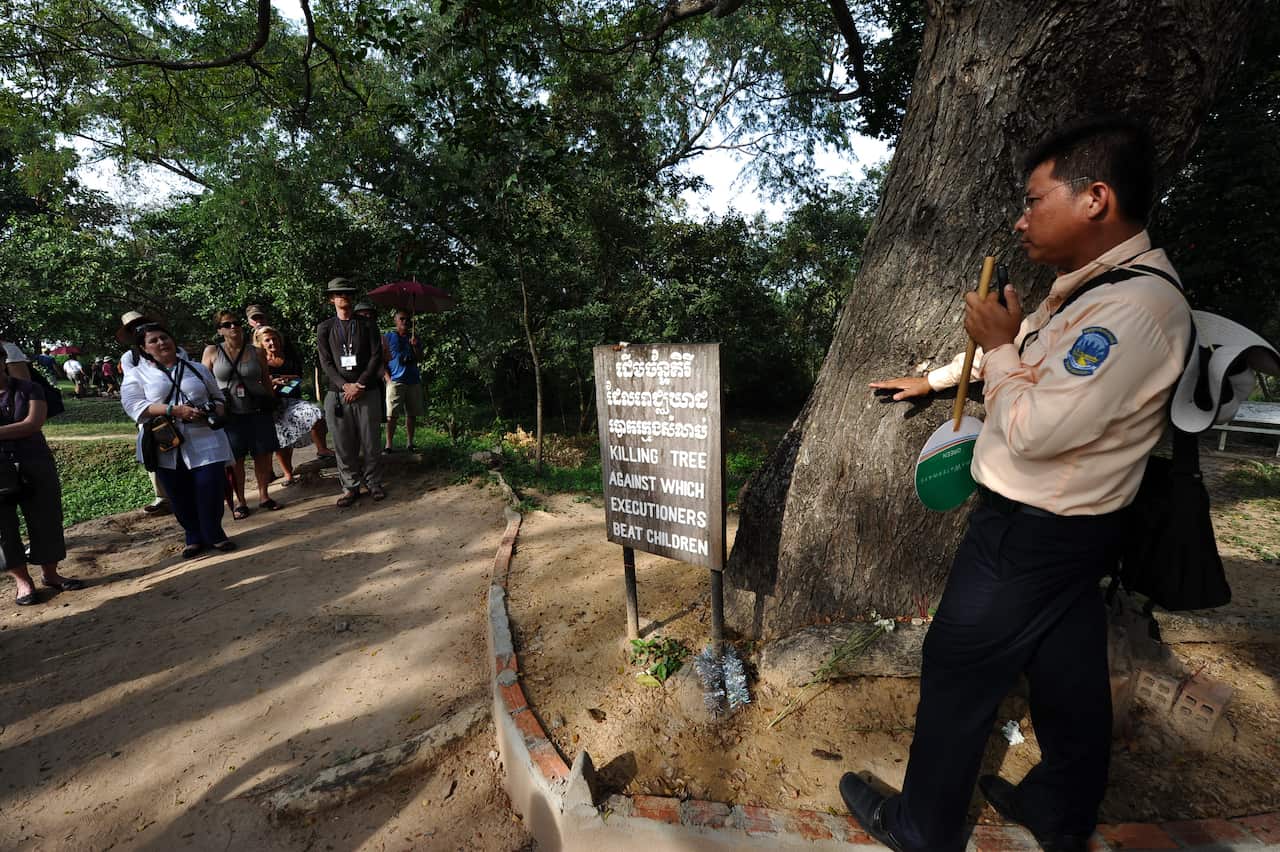
This might seem like the most obvious piece of advice you’ve ever read, but the signs at Cambodia’s Killing Fields are there for a reason. Sometimes it’s easy to get swept up in the grandeur of a place – or the audio tour – and forget the atrocities literally buried beneath you. So take a moment every now and then to remind yourself where you are.
Watch it with the selfies
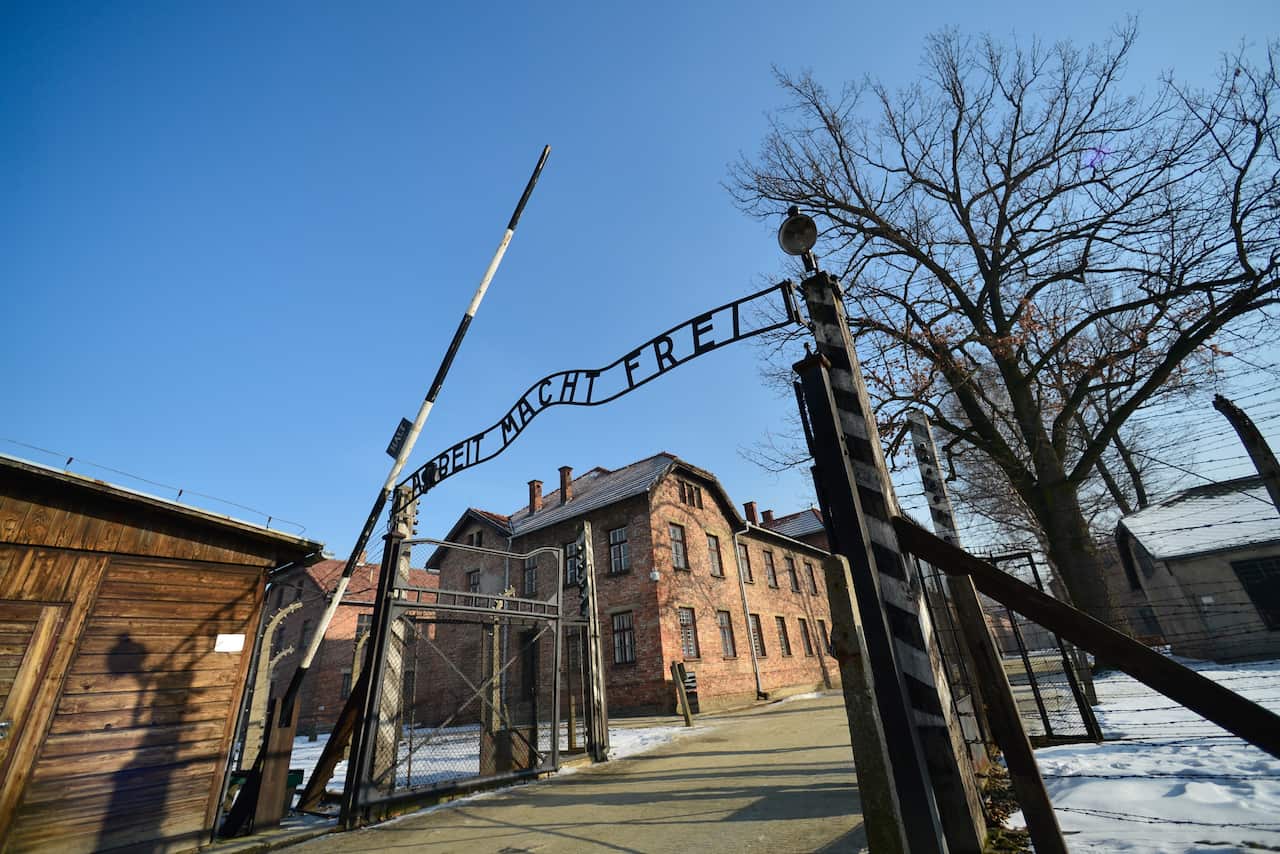
There are plenty of places where it’s appropriate to pose in front of a monument, throw up the peace sign and pull shapes. Auschwitz is not that place, no matter which sombre filter and respectful hashtags you’re planning – as the Yolocaust art project underscored. Personalising your trip by scratching your name into bunks where prisoners were held is also horrifically bad form on a level beyond mere vandalism. Don’t make it about you.
Think before you speak
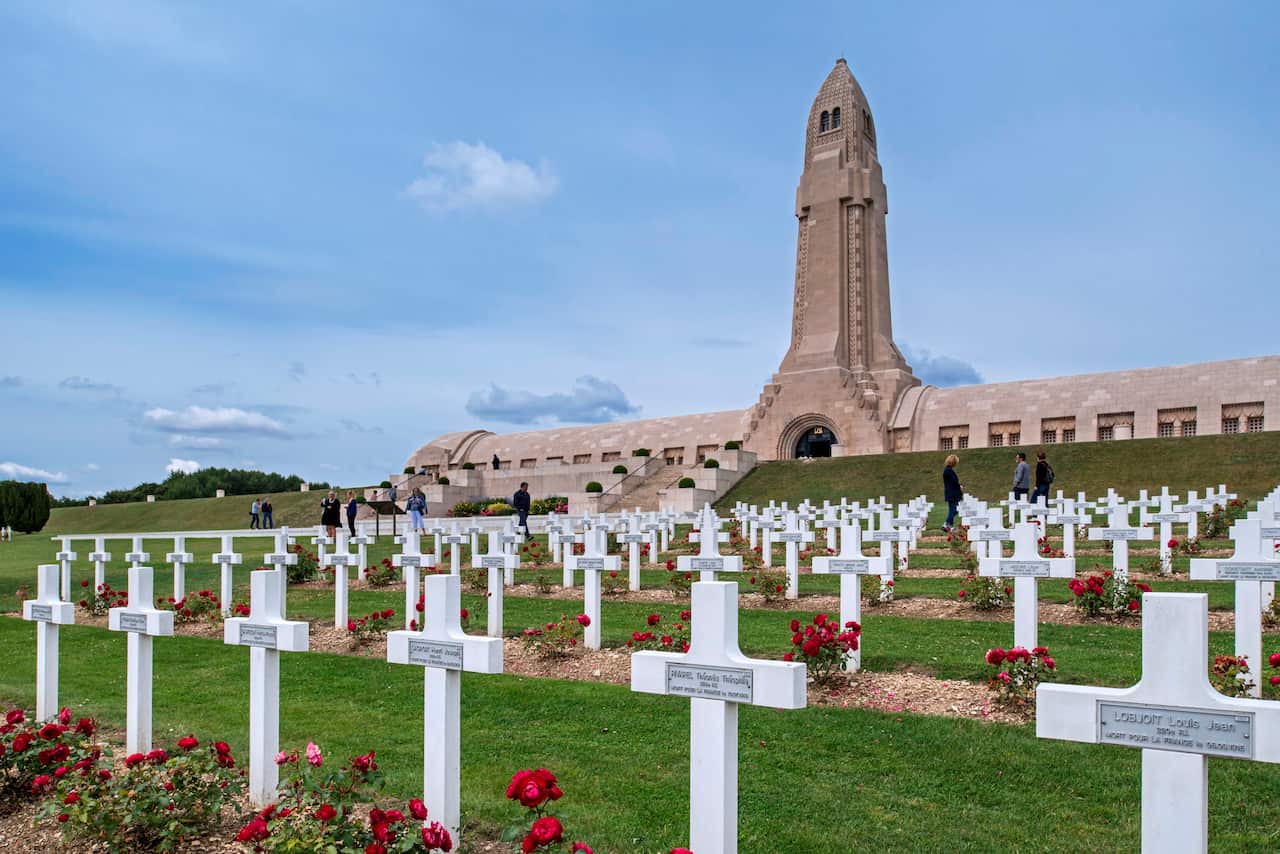
Another mental adjustment involved with actually being somewhere you’ve only encountered in your high school history class is that the people around you come from a different perspective, especially if the war took place in their country. Be careful about the language you use when speaking about a conflict and especially about the stories you’ve heard about what happened. Be respectful of your tour guide. It should also go without saying that Nazi salutes can get you into a lot of trouble in Germany, even if you’re mucking around.
Reconsider taking the kids

There are two pitfalls when taking children to places like these – boredom and trauma. Some sites are accompanied by very graphic photos and descriptions for which kids might not be emotionally ready, while others can involve a lot of walking and not much to keep them entertained in an appropriate way. Seek advice online about the recommended age for visiting your wartime destination, and if you are taking children, make sure they are prepared with background information and context.
Exploring the battlefields of history is Railways of the Great War, airing Friday night on SBS at 7:30pm. The series can be streamed at any time on SBS On Demand: