Warning: this story contains themes of child sexual abuse. 1800RESPECT is available for free, 24 hours a day, 7 days a week to support people impacted by domestic, family or sexual violence.
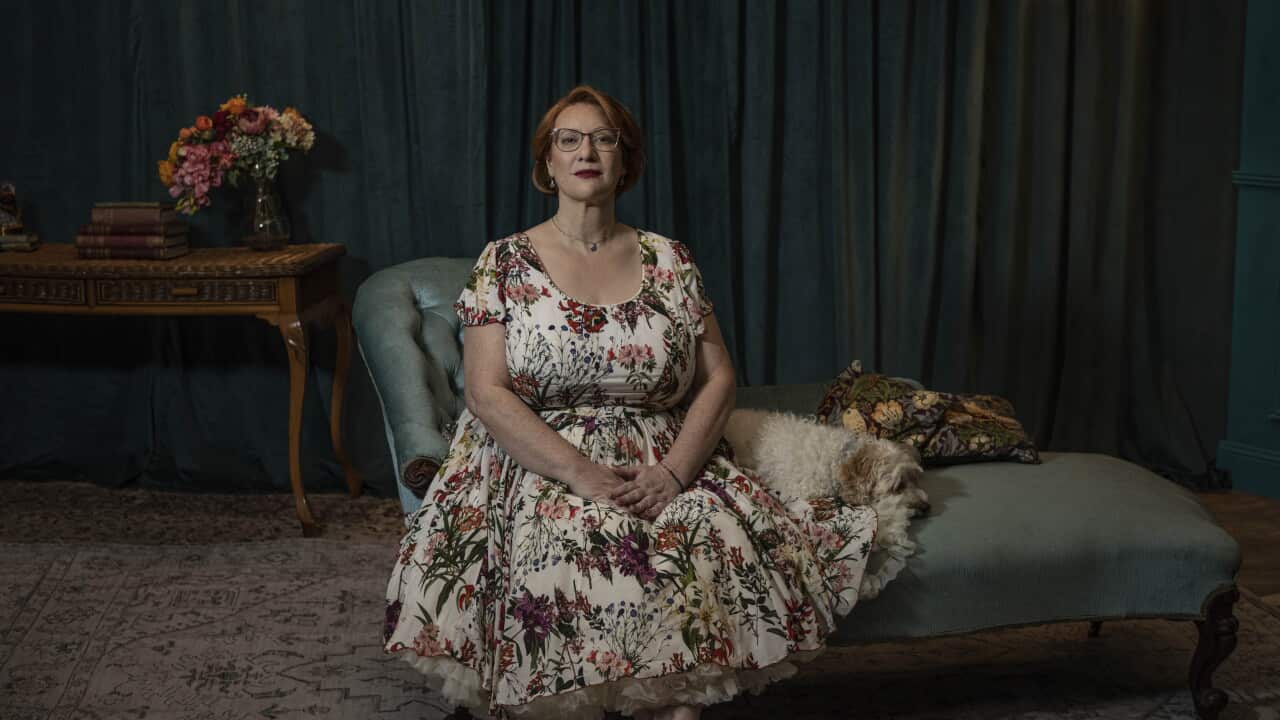
Australia is fascinated by true crime stories, past and present. Whether it's the legend of robber Ned Kelly, or the mushroom poisoning more recently, our appetite knows no bounds. In Dr. Jeni Haynes' story, we get over 2500 stories all in one place. Her incredible path from childhood abuse to justice, via immense suffering and perseverance, is explored in We Are Jeni.
In March 2019, Jeni's father was handed 45 years imprisonment for abusing Jeni as a child. Stuck in a situation she had no avenues to escape, silenced by fear, Jeni's brain developed dissociative identity disorder (DID) as a survival mechanism.
Previously referred to as "multiple personality disorder", Jeni's fractured identity provided her with thousands of alters, or alternate personalities. Each personality recalled elements of Jeni's past in acute detail, together painting a picture of horrific, sustained abuse.
When her father was finally sentenced in 2019, a decade after investigations began, it was largely owing to Jeni's 900,000-word witness statement. And as much as this is a story of enormous trauma and systems that failed Jeni as a child, teenager, and also as an adult, it is also a story of a woman who survived and took a stand for herself against a man who could have crushed her mentally and physically. And, like any human with a story, it is far from purely grief. In Enid Blyton's books of adventuring, spirited children living through their imaginations, Jeni found ways to envision her life beyond her immediate reality.
Co-writers and directors Mariel Thomas (Better Date Than Never, Filthy Rich & Homeless, Restoration Australia) and Akhim Dev (The Children in the Pictures, Dangerous Banks, Storm Surfers) have also brought to life a story of the people who were fundamental in achieving justice for Jeni, including her psychiatrist, the police detective who investigated, and the surgeon who saved Jeni's life.
Our conversation with Jeni has been edited for clarity and length.
How did the documentary come about?
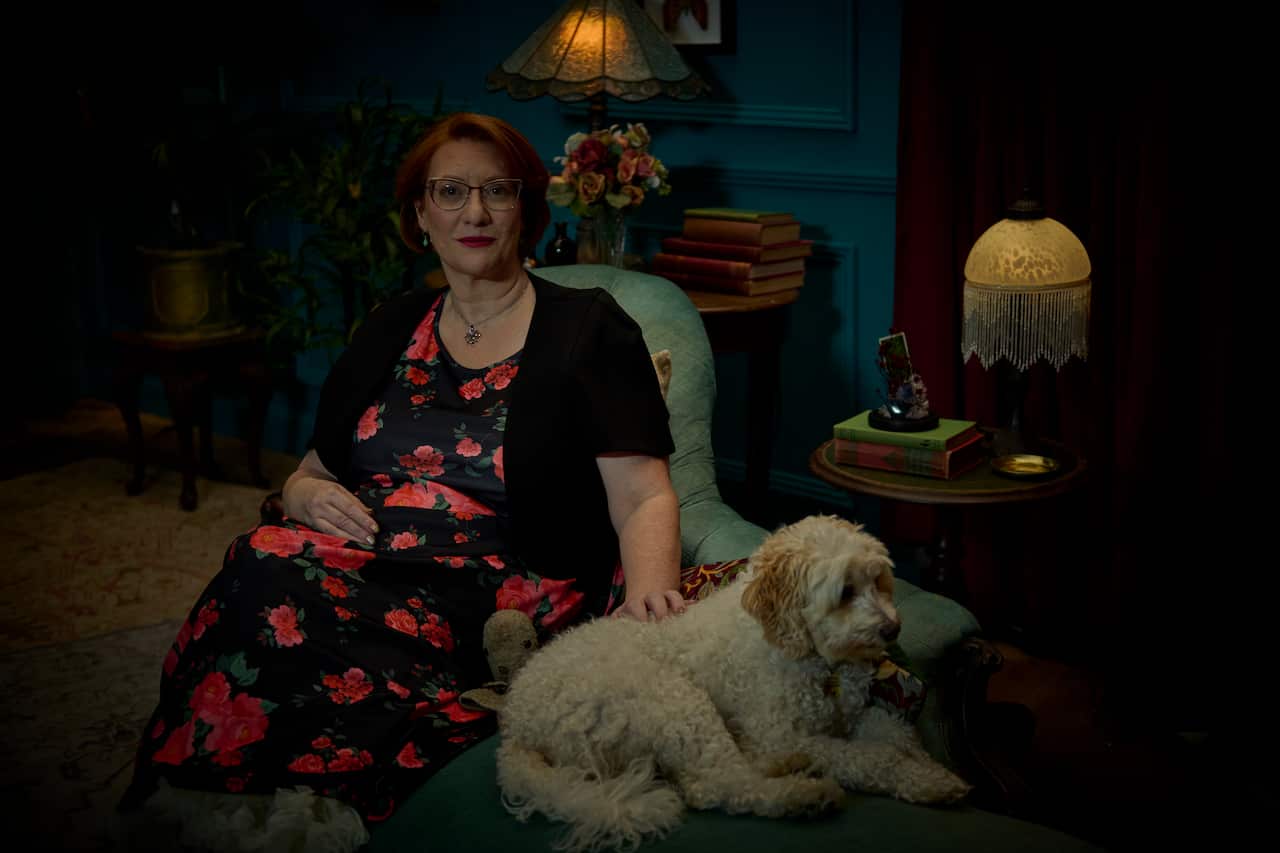
In 2019, during my dad's trial, I became aware that my MPD/DID was the story that the media were running. This floored me because I had never realised that people would be interested in me, my trauma, and my method of survival. I had waived my right to privacy and anonymity to ensure my dad could never again hide in plain sight while attacking other children. My goal was solely to protect what I call "the unknown child". It was never about me.
It finally dawned on me when people kept saying I should write a book. At the Brisbane book launch for "The Girl in the Green Dress", I met Mariel who talked of her desire to make a documentary of my story. Her ideas and questions really excited me about the idea.
Were you always aware that you contained this incredible amount of personalities, or was that a gradual revelation?
I did not realise that other people worked differently from me until 1984. I thought everyone had head mates, extra personalities, or alters. It didn't cross my mind that I was different until I had to see a neurologist after being diagnosed with epilepsy.
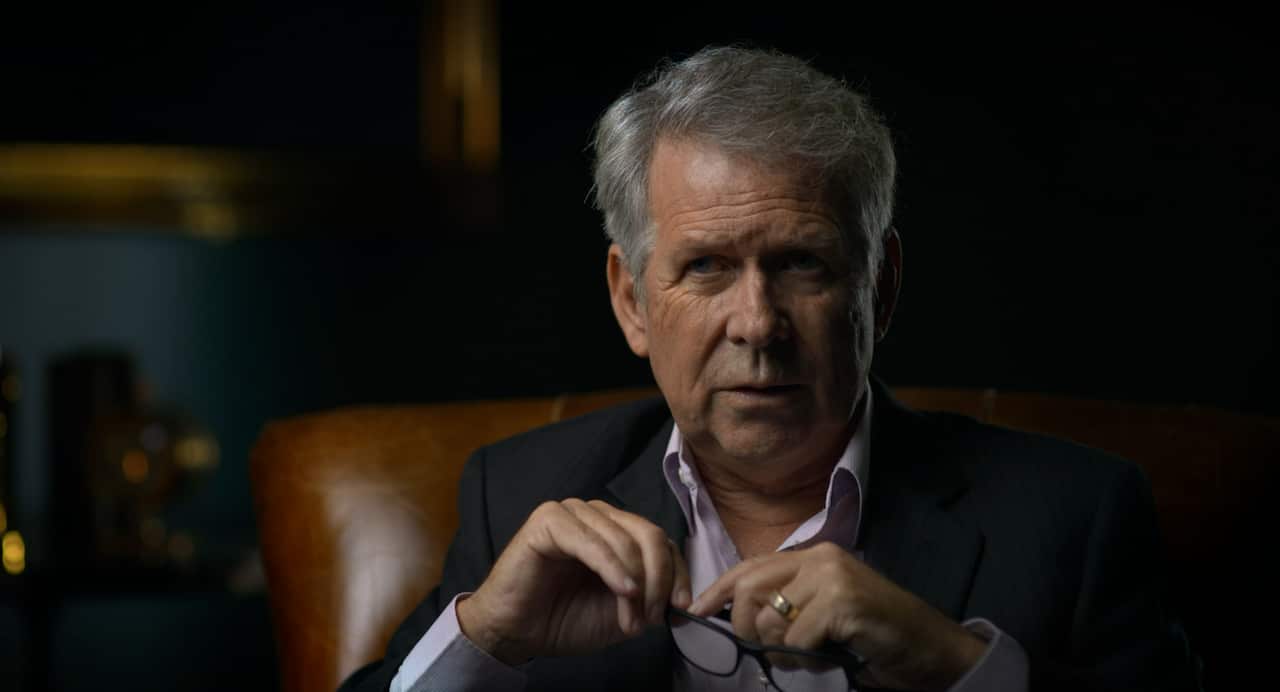
As for understanding I had an over-abundance of personalities, even by MPD/DID standards, that didn't really happen until after I started working with Dr George Blair-West.
However, while I, Jeni, was oblivious, Muscles was not. He knew exactly how many alters we had. He runs the democratic part of our world. This includes creating voting chips for each alter, running the all-ins and counting the votes.
Letting me know exactly how many we had was not a top priority. I only found out by accident when Muscles was discussing with Erik needing bigger yes/no/need more information buckets as the ones he had were too small for the voting chips… It was a shock.
Are each of the personalities aware of the others?
Not originally. Our "executive alters" to quote George - including Symphony, Muscles, Erik, Linda, Little Ricky and Volcano - know everyone. However, there were many alters who only knew other alters in their team, army, or group. We lived on a need-to-know basis. If your job relied on working in a team, then you knew everyone in your team. If not, then you only knew those people who made your job easier or harder to do.
In therapy, we worked very hard to break down the barriers between our alters to increase awareness of each other, and to build or improve collaboration within the whole lot of us.
We now, after close to 30 years of therapy have almost complete awareness of each other, and we all work together. However, finding out there were so many of us was, and still is, overwhelming to some alters and they prefer to interact with a small select group of internal friends or head mates to keep it manageable.
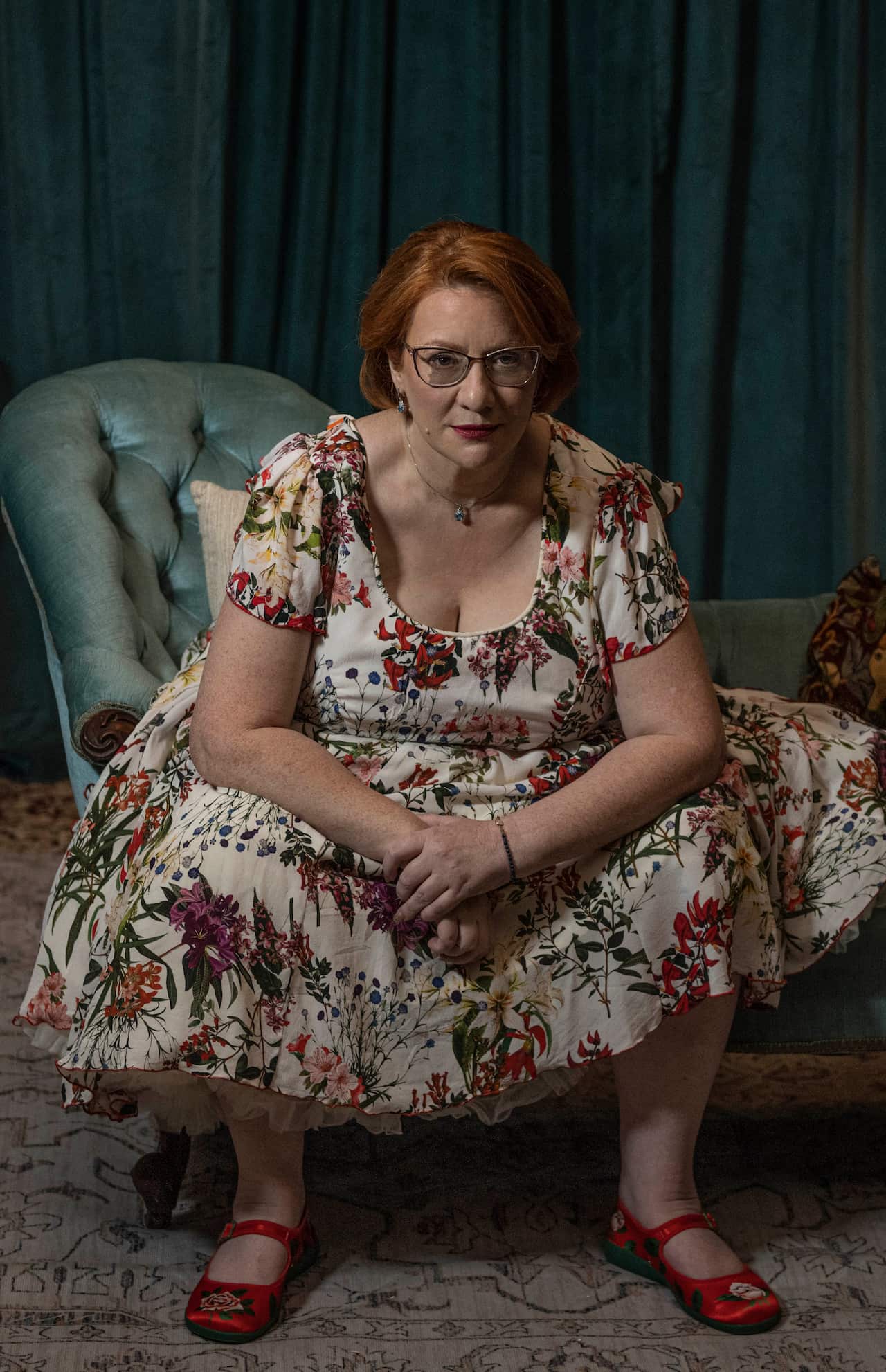
When investigations into the crimes against you as a child began in 2009, did you dare to feel hopeful, or were you distrustful of the system that seemed to have failed you for decades?
Ah, this is a very tricky question for us. When we went to the Queensland Police in 2009, we did not go to get justice or to begin an investigation into what had happened to us. Oh no, we went to tell the police about our dad, Richard John Haynes, solely to protect the "unknown child". We wanted to make sure he couldn't do it to another child.
After 8 years of intense police investigations during which I spoke constantly about protecting the unknown child, the NSW Police stopped me and told me that they were working to get justice for ME. Until that moment I was oblivious that their focus was on the crimes committed against me. This is a measure of just how well my dad had brainwashed me into believing that no one would ever believe me or care about me. He was quite explicit in this stating that he could do anything to me and none would care because it was me. I didn't matter.
Once the police had got me to understand that they were working to get justice for me, I was initially quite confused. The police were undermining decades of brainwashing and it felt strange. I was terrified that dad would only get a slap on the wrist, a minor sentence or not be imprisoned at all.
I began to prepare for all-out war in the legal system of NSW. I knew that I could not stop fighting until he was properly imprisoned, or dead. I was unaware that my allegations were extreme, overwhelming and viewed by the police as one of the worst cases of child abuse in Australia's history.
I thought what happened to me was normal. It took years before I found the courage to ask if dad's abuse was normal. The police told me that they have a continuum of severity of abuse from mild to extreme. Dad was located at the extreme end of the extreme end of the continuum.
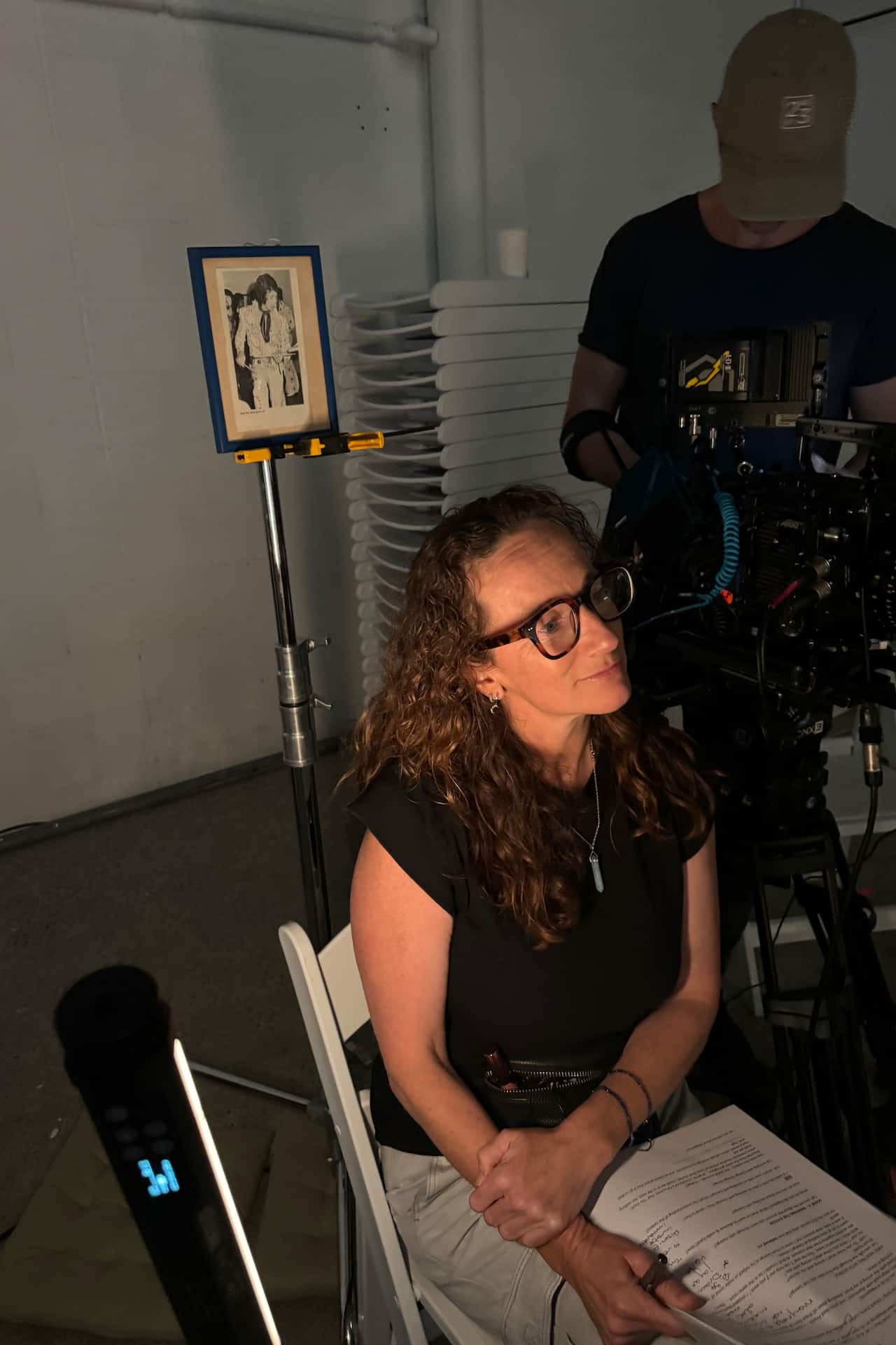
Since the verdict in 2019, how has your life changed, if at all?
Since the verdict, my life has changed considerably. I am free at last and I am in charge of my life. I have stopped having to fight for everything. My life is my own. Instead of everything being about Dad, my life is about my interests, my hobbies, my desires. I've been able to meet my alters and talk with them about non trauma related issues, finding out about their interests and the things they want to do that have been on hold while we dealt with dad.
My world is full of pleasure, at last. I am making time for games, making jewellery - For Multiples, By Multiples - and enjoying seeing what my alters create. I've brought music back into my life, for pleasure, no longer as language (dad told me he could read my mind so I spent my life thinking in song lyrics. Imagine, my police statement of 900,000 words started as a spatter of song lyrics!). I can enjoy watching TV, reading a book, listen to songs, no longer searching for validation.
Did filming the documentary and sharing your story through it feel cathartic?
Filming the documentary was incredible. It was a wonderfully difficult process. We had so much to say, and only a short time to say it in. But instead of focusing on what could or could not go into the documentary, the film crew and the producers gave me time and opportunity to say what I needed to. There were things we discussed for the first time ever, that we knew couldn't go into the documentary due to my determination to protect the privacy and anonymity of my siblings. It was so good to be safe to say whatever I needed to say.
I wanted this documentary: to be able to validate the diagnosis of MPD/DID; to clearly demonstrate the link between extreme ongoing trauma in children under the age of 8 and the development of MPD/DID; to underscore the fact that most people with MPD/DID are survivors of criminal acts of violence and aren't crazy; and to give my fellow survivors with MPD/DID a chance at justice.
I encourage everyone who is able to go for justice to use my precedent, go get your justice because what happened to you matters. It's a crime. Go put your perpetrator where they belong, behind bars.
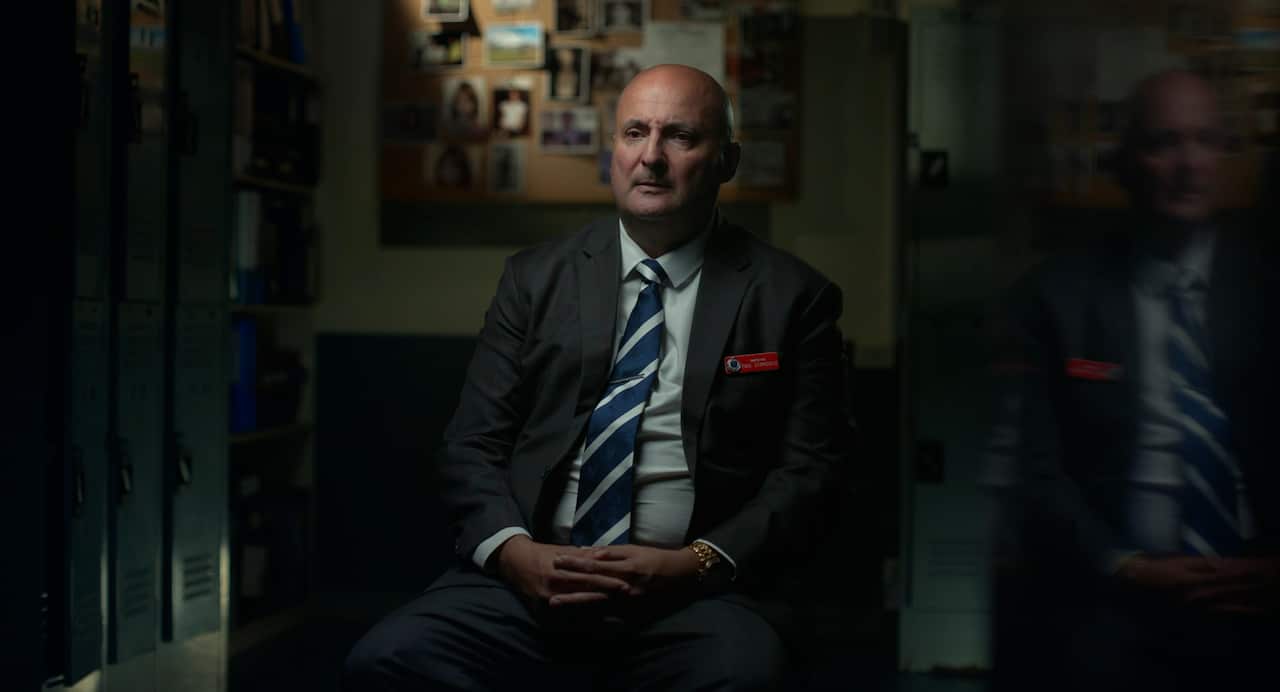
A Message From Jeni:
Survivors with MPD/DID
Justice is possible. Your diagnosis is no longer a barrier to justice. If you want justice use my case as precedent. Go for it.
All survivors of childhood sexual abuse.
I hear you, I see you, I believe you.
What happened to you matters.
You matter. Hugs,
Jeni, et al
We Are Jeni is now streaming at SBS On Demand.
If you or someone you know wants to talk about sexual assault or harassment, family or domestic violence, call 1800RESPECT on 1800 737 732 or visit www.1800RESPECT.org.au. In an emergency, call 000.