Most lovers of popular music, even those who otherwise have little time for reggae, respect the name and the music of the late Bob Marley. No matter how many tee-shirts you see emblazoned with his face, or how many times you hear 'One Love' blasting out of a clothing store, he always seems to escape the ravages of over-familiarity or cliché.
The late reggae superstar emerges as someone who genuinely believed in the idealism he preached in his songs.
This detailed and rewarding biographical documentary from British director Kevin Macdonald will do nothing to change that state of affairs. It’s made with the blessing of Bob Marley’s family, which means it benefits from access to many of those closest to him, including his mother, some of his grown children; his widow, Rita Marley; and former lover and ex-Miss World, Cindy Breakspeare. Yet for all the family support, it’s an independent production that avoids the fate of an official biog with the usual hagiographical implications.
Certainly the late reggae superstar emerges as someone who genuinely believed in the idealism he preached in his songs. The moment where he held aloft the hands of rival Jamaican political leaders Michael Manley and Edward Seaga on stage in a bid to calm the vicious gang-fighting tearing apart Jamaica in the late 1970s, represents one of those rare moments where an entertainer plays a critical role at a moment of crisis - comparable to James Brown’s role in tamping down the US black urban riots several years earlier.
Towards the end of his life (Marley died of cancer in 1981 and, we learn, may have survived had he had more regular check-ups on a melanoma), we’re told of queues of desperate people snaking down Kingston’s wealthy Hope Street to ask for financial help from the now-wealthy singer – and often being rewarded.
At the same time, as a father, he obviously had feet of clay. A certain sadness in the eyes of some of his grown children is hard to miss at times, especially when daughter Cedella recalls how she and her siblings weren’t allowed to stay with him in the Hope Street mansion and had to live a couple of miles down the road. His infidelity is openly canvassed – his 11 children via seven women makes it hard to deny. Rita Marley, his widow (and ex-member of his vocal back-up trio, The I-Threes), appears remarkably tolerant when asked how she handled her many romantic rivals. But Bob’s behaviour was okay, in the eyes of one witness, because he was really a shy guy and not a womaniser – his many sexual partners came to him.
Macdonald is best known for his documentaries One Day in September and Touching the Void, the latter helping to ease him into fictional features, viz. The Last King of Scotland (during the shooting of which he first became interested in Marley as a Third World phenomenon after noticing his popularity among Africans).
Where Void was a startling hybrid of a film, somewhere between a documentary and a docu-drama. Marley is by contrast a conventional documentary, a linear, chronological life story, filled with talking heads and laced liberally with concert footage and recordings. Given its subject, though, the approach works perfectly (and it’s unlikely Macdonald had any wriggle room re. the film’s format anyway – Jonathan Demme previously quit the project as director after creative disagreements with executive producer and financer Steve Bing).
Most of the generous 150 minutes running time focuses on the brief period between 1975 and 1979 where Marley, already a Jamaican star, exploded firstly onto the UK music scene with the support of Jamaican-born Island Records owner, Chris Blackwell, then conquered the US, before returning home to help unite political factions and surviving an attempt on his life.
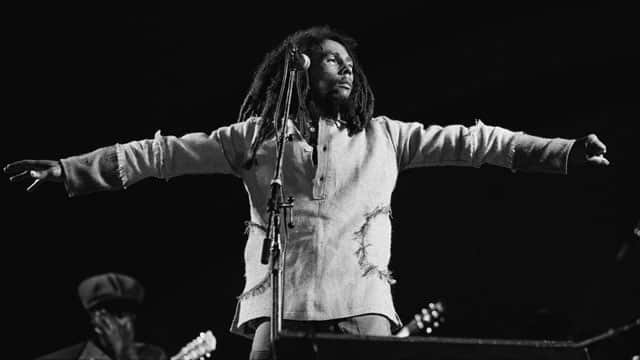
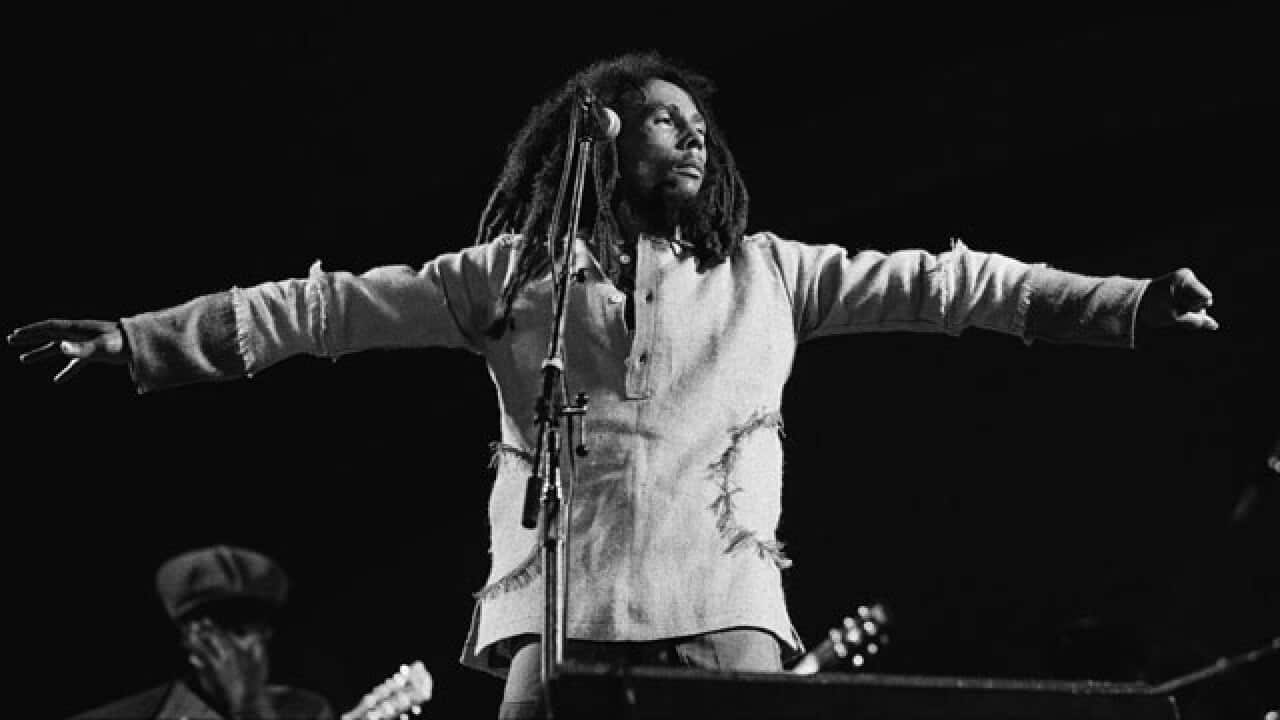
Anyone lucky enough to have seen Marley and the Wailers on stage at the peak of their powers, as this reviewer did in 1976, knows how much more powerful and magnetic their live shows were compared to the relatively sterile recordings (as good as they were), and this film is liberally laced with them. Marley’s charisma was a major factor, though the disciplined music machine he had behind him was a vital factor.
While Macdonald is interested in finding out about Marley the person, he doesn’t stint in digging deeply into the music, coming up with plenty of fascinating material from the young Marley’s early days. In the film’s view, the key to the singer’s ambition and strength of character comes from his experiences of rejection by his white father and the family’s building company. A song named Cornerstone whose lyrics seem to pertinently illustrate the point, is played to family members. Their comments prove illuminating.
Watch 'Marley'
Monday 12 June, 9:05pm on NITV / Streaming after at SBS On Demand
M, CC
UK, 2012
Genre: Documentary, Music
Language: English
Director: Kevin Macdonald