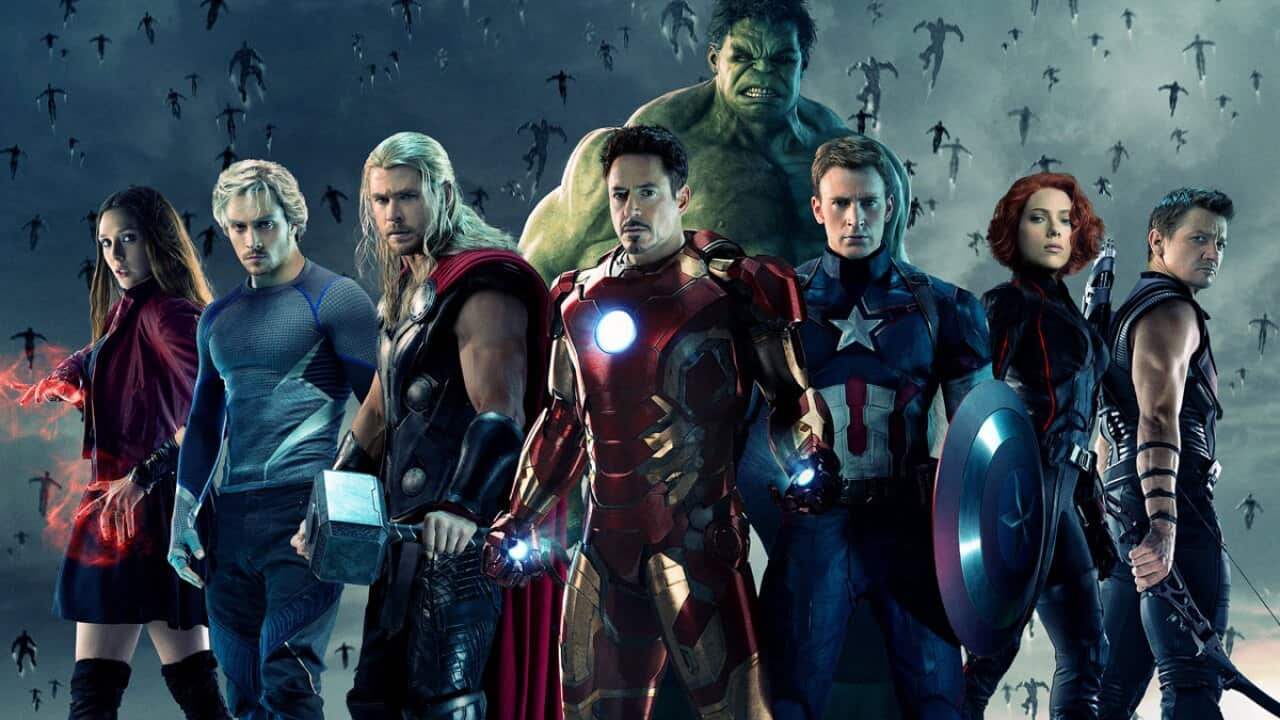
Comic book movies are now practically their own genre, but in the way they are shaped by Marvel, if we are to be accurate, superhero films and shows about white men are the genre.
Discussions about comics and diversity bubbled to the top of our collective consciousness this week following comments from Marvel’s VP of Sales, David Gabriel, blaming diversity for the company’s slump in comic book sales.
Gender and racial diversity still largely remain absent, and it’s impossible not to notice — especially with David Gabriel, blaming diversity for the company’s slump in comic book sales.
Speaking to ICv2, Gabriel said that their comic book readers preferred their existing slate of heroes, rather than more diverse recent additions.
“We saw the sales of any character that was diverse, any character that was new, our female characters, anything that was not a core Marvel character, people were turning their nose up against.”
He has since backtracked, confirming that the likes of Squirrel Girl, Ms. Marvel, The Mighty Thor (starring Jane Foster), Spider-Gwen, Miles Morales, and Moon Girl aren’t going anywhere. That’s great news for comic book readers — but cinemagoers and TV viewers are still being starved.
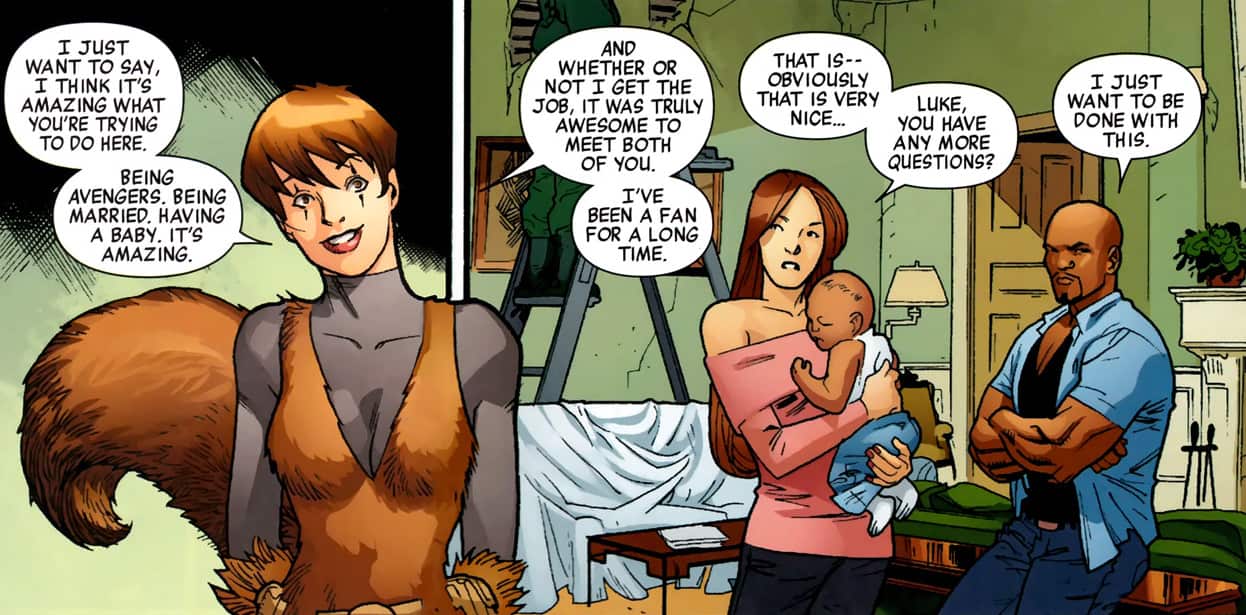
Is it any wonder that books starring diverse lead characters aren’t selling well when they aren’t being included in the high-profile, big budget Marvel Cinematic Universe?
Without clarifying his initial statement, it would’ve been easy to read Gabriel’s comments as a sign of these Trump-influenced, wall-building, religion-banning, diversity-fearing times; however, they’re actually an accurate reflection of the current status quo on big and small screens.
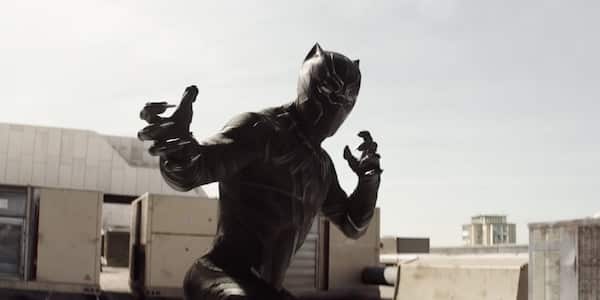
Marvel will be 17 films and 11 years into the Marvel Cinematic Universe before it presents a person of colour as a solo protagonist. It’s little wonder that 2018’s Black Panther, which will be directed by Creed’s Ryan Coogler and feature Chadwick Boseman, is so eagerly anticipated.
Audiences will wait another year and three more movies to see a standalone female lead. The same viewer excitement and enthusiasm applies to the Brie Larson-starring Captain Marvel, which arrives in 2019.
Marvel’s main competitor DC Comics isn’t doing a whole lot better on the big screen as far as representation is concerned. DC Comics have only released three films since it launched its new DC Extended Universe in 2013, but audiences will have seen eight live-action Batman movies, six Superman flicks and one Batman v Superman crossover before the first-ever Wonder Woman feature releases in June. A Batgirl film has just been announced, to be directed by Joss Whedon.
Sure, there was the 1984 Supergirl movie, but there’s a reason nobody talks about that atrocity.
Between DC and Marvel, that’s a whole heap of origin stories about a whole heap of white guys finding themselves and saving the world a whole heap of times. And that doesn’t even include the two rounds of recent Spidey flicks, starring Tobey Maguire and Andrew Garfield, that aren’t considered part of the official MCU.
Thankfully, both company’s TV slates have offered some respite. Marvel’s Agent Carter ran for two seasons, while Jessica Jones and Luke Cage are part of Netflix’s offerings — but so is the controversially cast Iron Fist, which has earned plenty of commentary about cultural appropriation and its white saviour narrative. Over at DC, the Supergirl TV series has been winning over both fans and acclaim, particularly for its handling of sexuality.
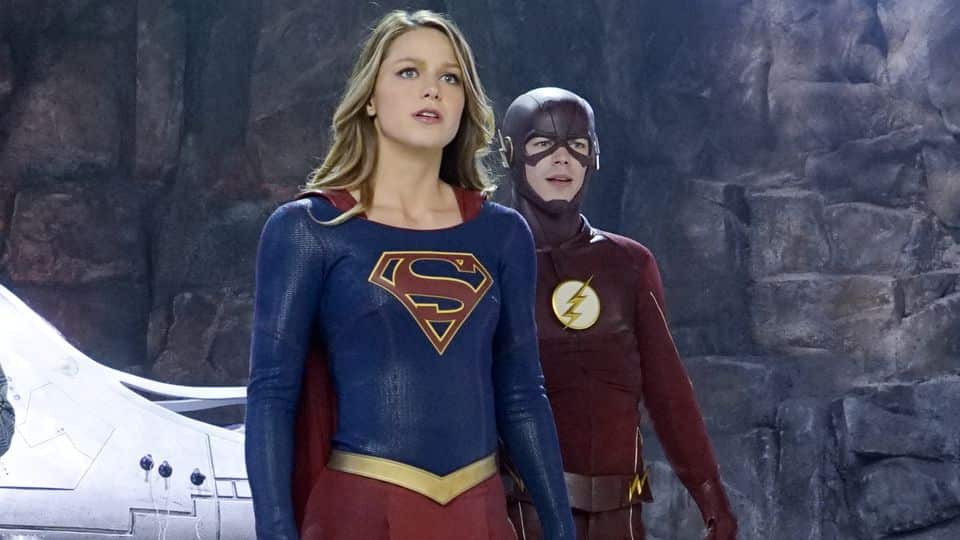
The TV shows might mark a step in the right direction; however, both Marvel and DC are merely just dipping their toes in the waters of diversity. It’s not like the company is promoting diverse stories on the big screen, supported by equally well-funded marketing campaigns. There’s a difference between producing a few films and shows, and truly championing a truly diverse slate of characters on an ongoing basis. The latter should just be a given, but it’d actually prove a heroic leap forward.