
In August this year, the first total solar eclipse in 99 years taught us a number of things – and not just that Donald Trump can't follow simple instructions. The new findings about the Sun made by scientists are summarised in upcoming doco Eclipse over America, but in the meantime, here's a handy guide to all the different types of solar and lunar eclipses that are possible
Total solar eclipse
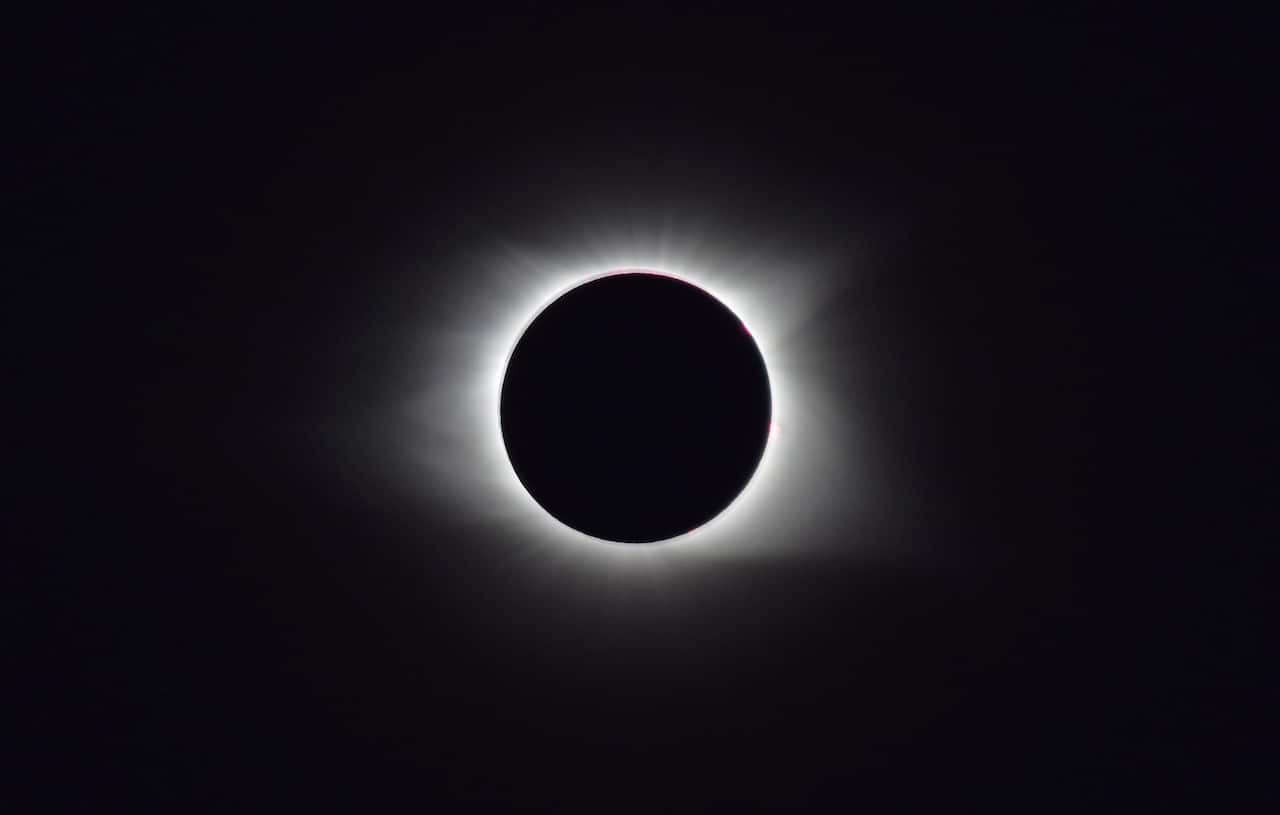
Trump’s slogan on 21 August shifted to “Make America blind again” as he did the thing any simpleton knows know not to do – stare directly into a total solar eclipse (TSE).
The Donald was one of the lucky Americans to be standing in a position where the eclipse was in full view, which basically means the Moon completely covered the Sun to create a perfect circle of darkness. Of course, Trump no doubt assumed that standing in the right geographical position had nothing to do with it, and that the two celestial bodies moved into position because he’s the best.
While August’s phenomenon was the first in almost a century visible from the US, TSEs can be seen from somewhere on Earth roughly once every 18 months.
Partial solar eclipse
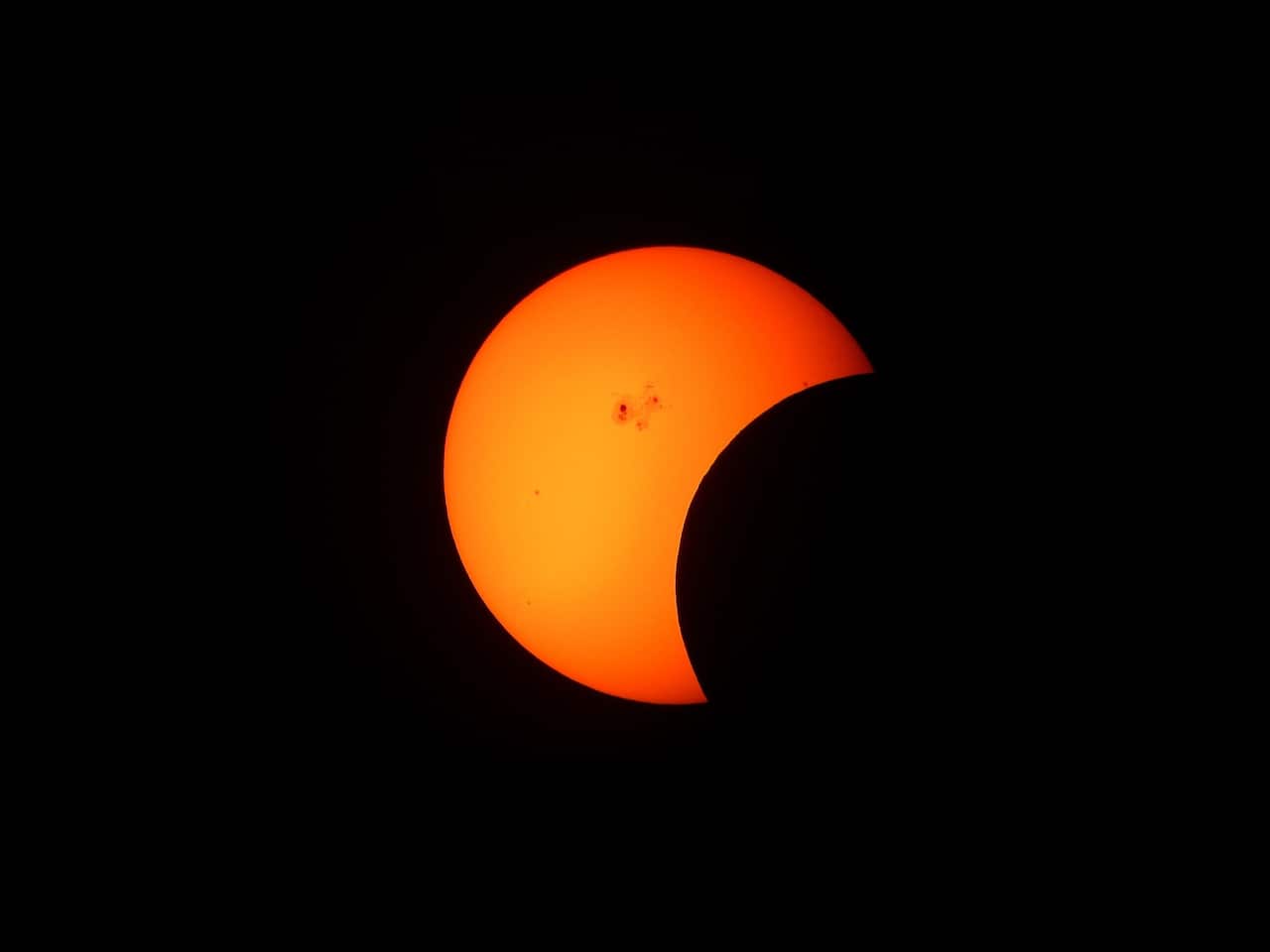
At the same time that a TSE is seen from somewhere on the planet, other parts of Earth see the same thing from a different angle – as a partial solar eclipse. If you like numbers, then you’ll probably enjoy knowing the area of Earth where a TSE is viewable is roughly 16,000km long by 160km wide. Large areas on either side of that elite belt see a smile-shaped arc of sun only partially obstructed by a less-than-perfect circle of darkness.
Annual solar eclipse
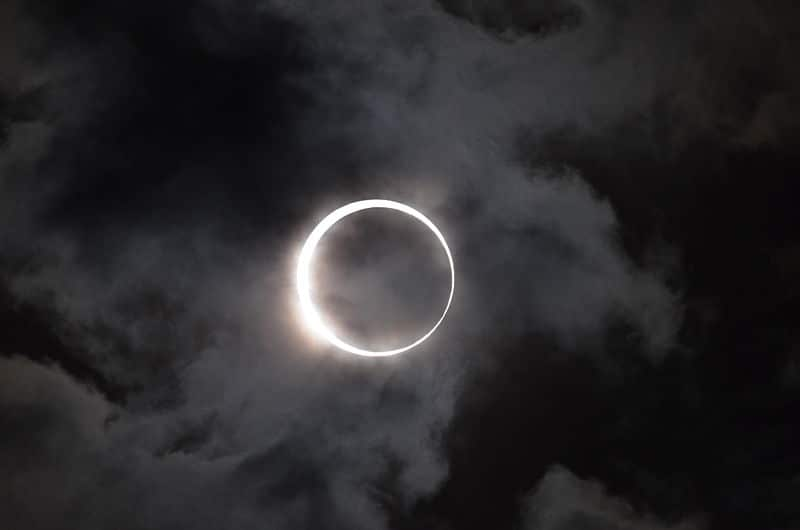
The annual solar eclipse (ASE) is the TSE's eerie, cinematic cousin. The Moon is still lining up with the Sun and creating a perfect circle of darkness, but in this case, the former is much further away than during a TSE. This means you get a fiery ring of sun blazing around the darkness, which gradually dims the light of the sky, and makes animals and insects react in bizarre ways (apparently spiders are known to take down their webs).
Hybrid solar eclipse
This sounds a lot cooler than it is, though I guess an eclipse that transforms from an ASE to a TSE during its journey is still pretty cool.
Total lunar eclipse
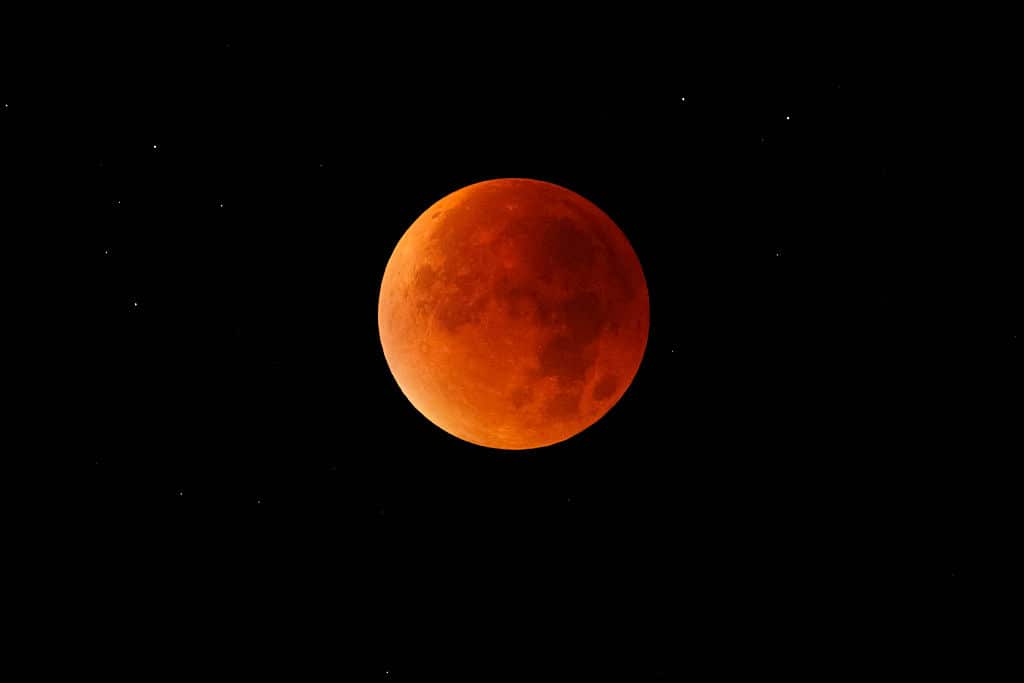
In order to understand lunar eclipses, we’re going to have to, sigh, learn a new word, and that word is umbra, which is the totally dark inner region of a shadow. As the Moon has no light source and is only seen when lit up by the Sun’s rays, a lunar eclipse occurs when our planet comes between the two and blocks the light source. So a total lunar eclipse is when Earth’s – say it with me – umbra eclipses the entirety of the Moon. Got it? No? That’s fine, neither do I. How rad is the Moon, though?
Partial lunar eclipse
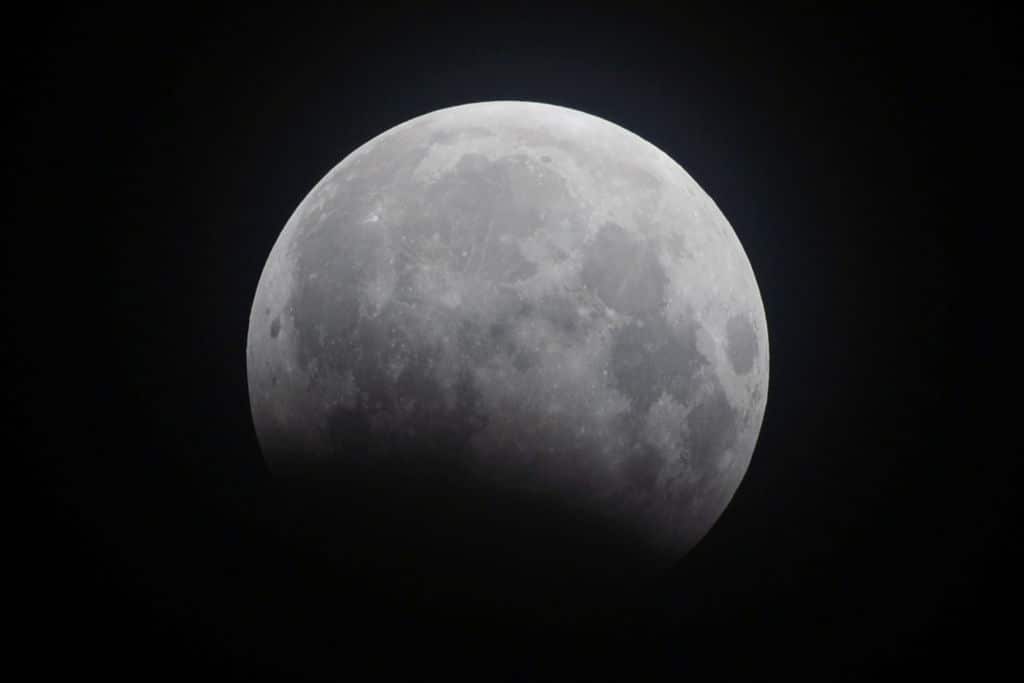
Just as a partial solar eclipse leaves an arc of sun for our eyes to enjoy, the lunar version sees the Moon only partially obscured by Earth’s – yep, you guessed it – umbra.
Penumbral lunar eclipse
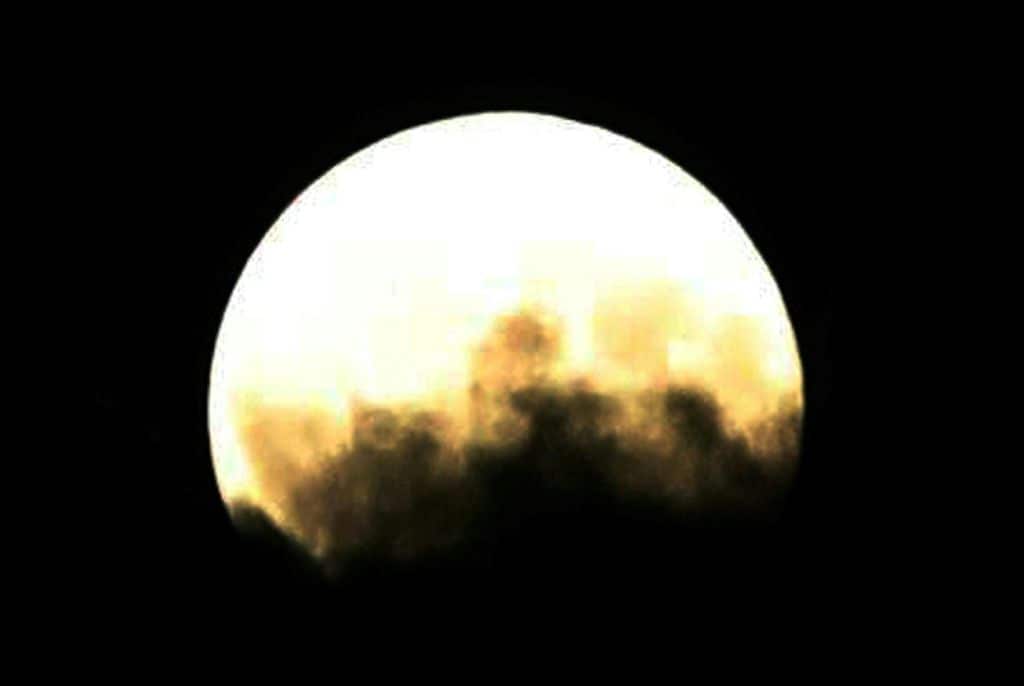
Think of this as a faux full-moon – a galactic prank that occurs when the Sun, Earth and Moon end up in close to a straight line. The Earth still blocks some of the Sun’s rays from reaching the Moon, but also adds its own light to the Moon from its outer shadow (go figure). This outer shadow is called a penumbra. OK, so you had to learn two words.
Planet transits
While a planet transit is technically considered a special kind of eclipse, as it’s when one planet travels in between the Earth and the Sun, there’s not much actual eclipsing going on. It resembles more like a bug crawling across a face than an umbra from an umbrella. From Earth, only two planets are lucky enough to make this journey due to their orbital positioning: Mercury and Venus. In the two centuries from the year 2000, Mercury will crawl across 14 times and Venus only twice.
"Total Eclipse of the Heart"
Not an official solar or lunar eclipse, but an inspired masterpiece nevertheless. Take us out, Bonnie Tyler.
Eclipse over America airs Sunday, 24 December at 8:35pm on SBS.