
One of the biggest upsets in Eurovision Song Contest history took place in 1968. London, officially the coolest place on Earth, was hosting; England was basically one giant unstoppable hit-making machine, with bands like The Beatles and The Rolling Stones inspiring an army of musicians with an eye on pop success. No less an icon than Cliff Richard was their entrant; the winner was all but guaranteed before the first note was sung. And then Spain took to the stage.
Over three episodes, The Song Contest (La Canción) details the Spanish entrants long and winding road to a very unexpected victory. This isn’t simply the story of a plucky underdog or a left-field entrant everyone else underestimated to their peril. The story revealed here is of a team of professionals pushing things to the limit to – just barely – achieve a goal that nobody thought possible.
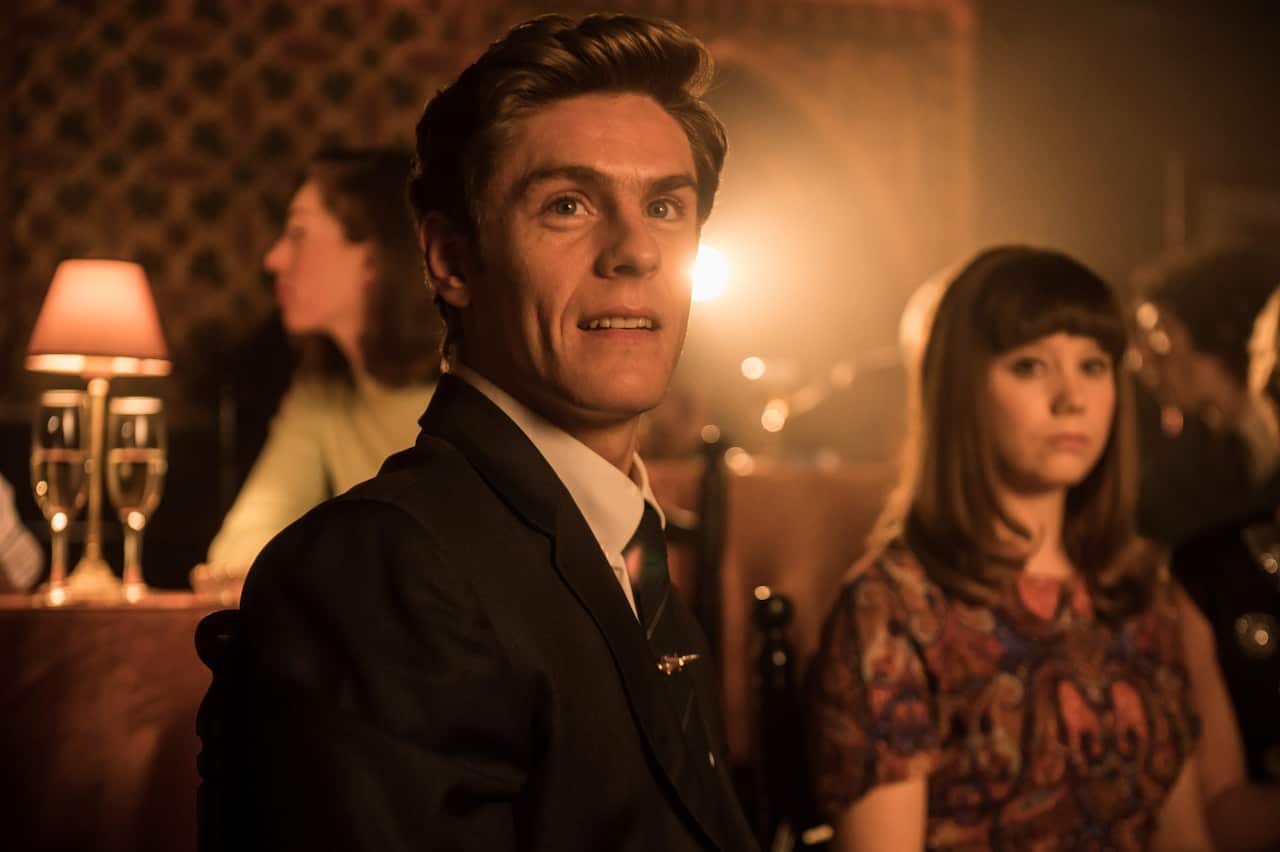
The '60s might have been swinging across the rest of the globe, but in Spain, things were firmly stuck in the past. The country was still led by Generalissimo Franco, a dictator who had been a contemporary of Mussolini and Hitler; while the rest of Europe was moving towards unity, taking the first steps towards an economic union that would lead to the EU, Spain remained firmly on the outs.
For Spanish television executive Esteban Guerra (Patrick Criado), all of this was well above his pay grade. Then the word filters down from the top: it’s been decided that Spain must win this year’s Eurovision Song Contest. Director of programs at TVE Esteban Balmaseda (Carlos Santos) has been given the order to secure victory. Guerra, who wants to move up in the world and sees this as his big chance, puts his hand up for the job.
If you’re looking for an historically grounded and authenticated version of the lead-up to Spain’s 1968 victory (they beat Cliff Richard by one vote!), you may want to take what follows with a grain of salt. Even today, there are rumours and rumblings that the TVE victory may have been won more by under-the-table dealings rather than pure talent; when The Song Contest begins with Franco on a (rigged) pheasant hunt telling his minister that Spain needs to win Eurovision because “they never loved us”, it’s pretty clear that a few liberties are being taken with history.
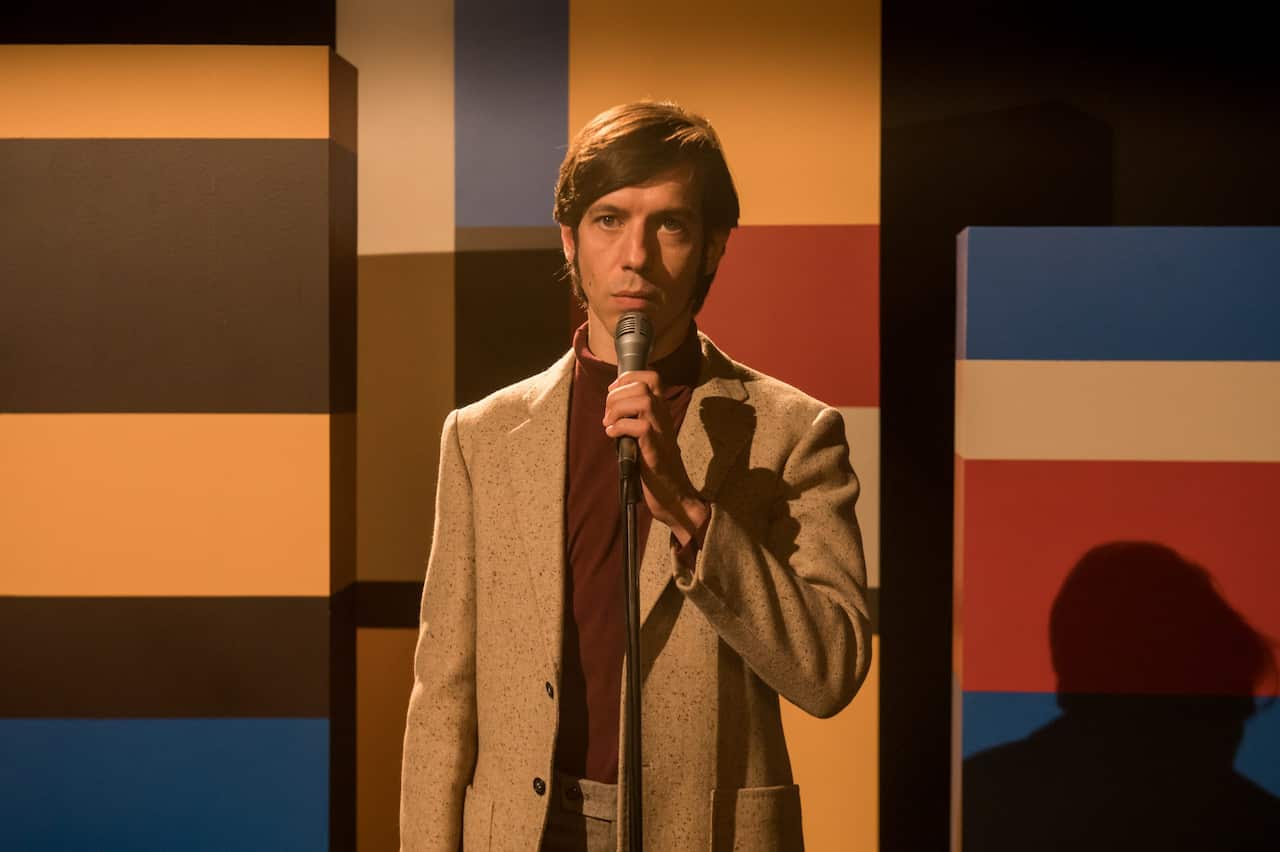
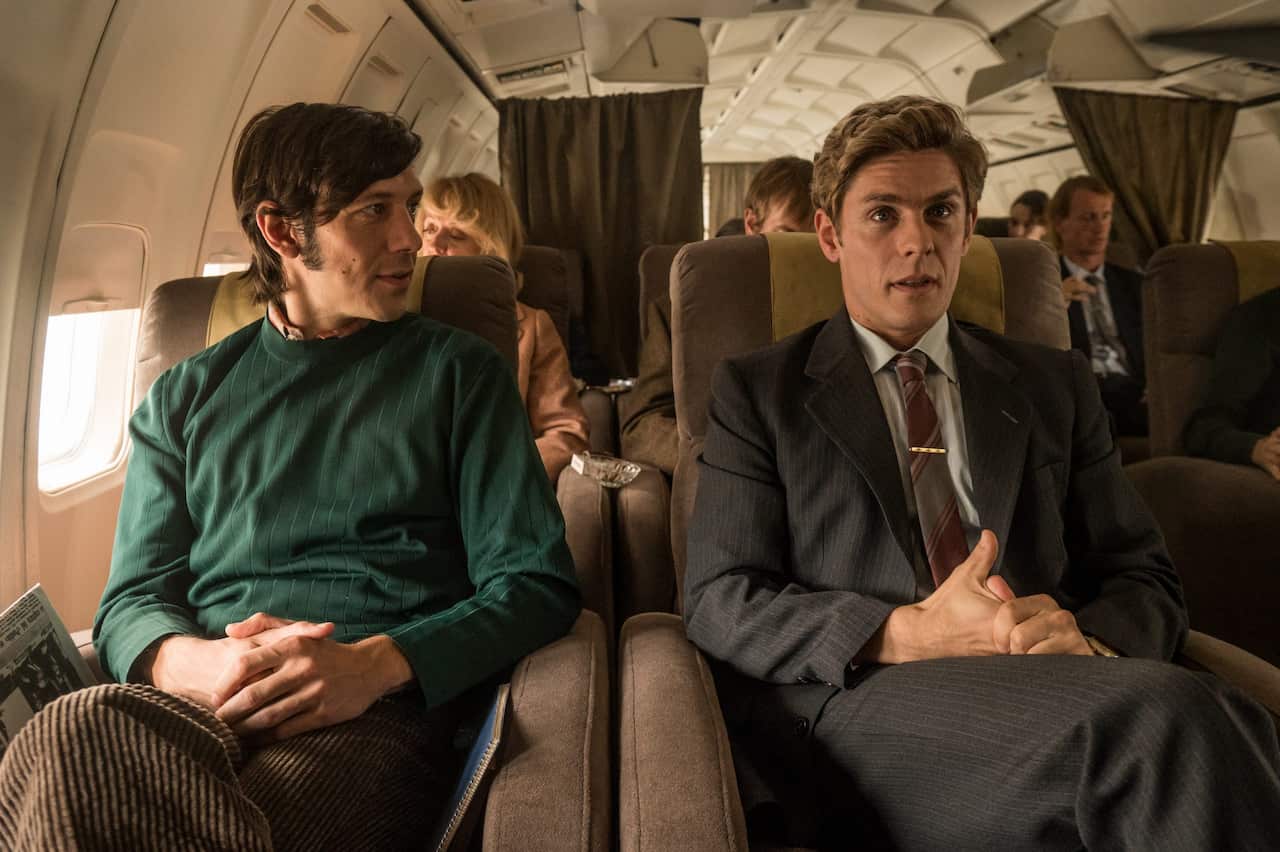
Soon Gurrea has hired well-known Austrian producer Artur Kaps (Alex Brendemühl) – who really did help mastermind Spain’s Eurovision bid – and together they’re on the hunt for a song that will take Spain to the top. The aim is to find a song that will sell the country as an open and modern place, ready to join Europe and the world. Oh, and to also find a singer who can embody the values of this new version of Spain.
The singer chosen is Joan Manuel Serrat (Marcel Borràs), a young man with a hint of rebellion around him (it’s the '60s, after all). The song chosen is ‘La La La’, which he records, promotes, and tours with. So how is it that Massiel (Carolina Yuste) ends up being the one who actually sings it at Eurovision? As they said in the '60s, you’ll have to tune in.
The Song Contest mixes fiction with fact, but the way it explores the crossover of pop culture and politics is as real as it gets. Gurrea and Kaps understand that they’re basically coming up with an ad campaign to sell a version of Spain that isn’t strictly accurate, a fantasy of a free and open society laid over the reality of repression and fear.
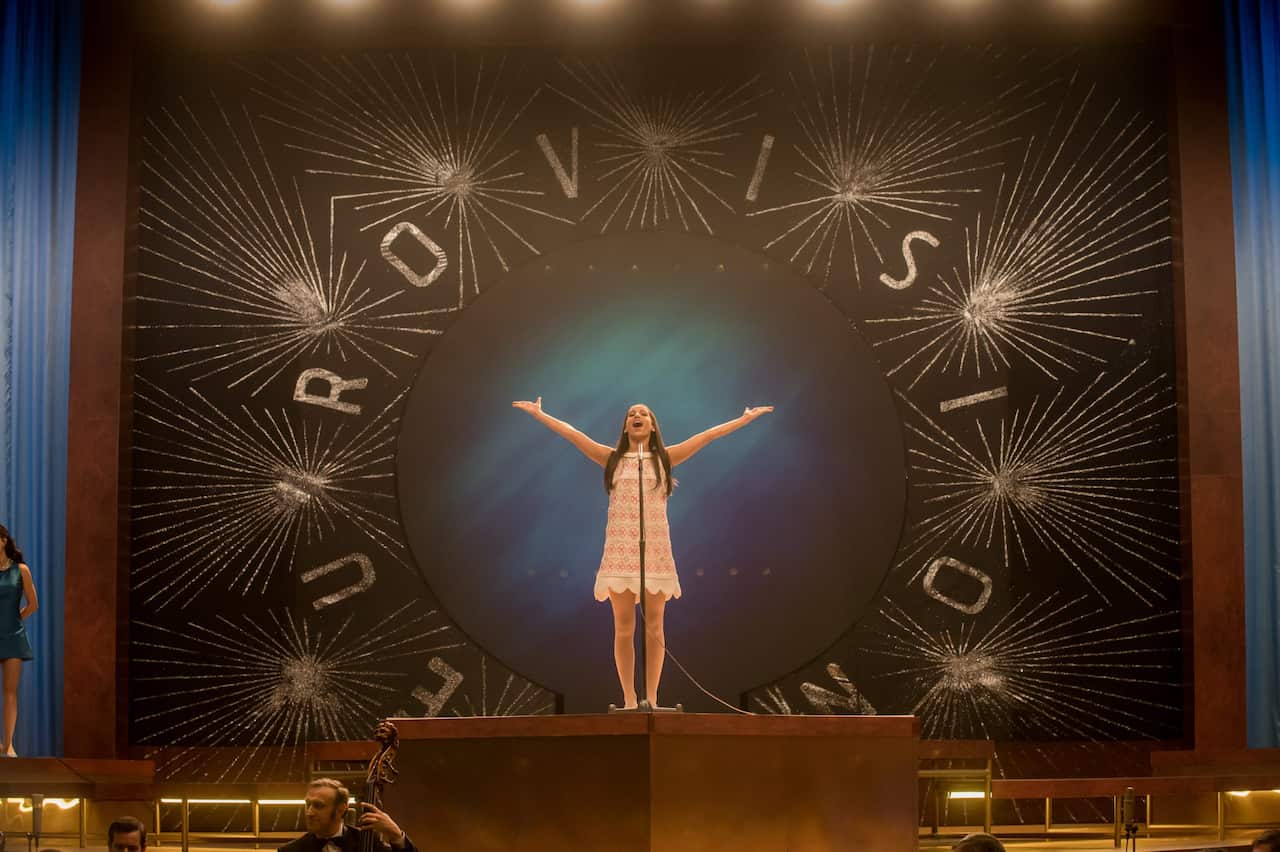
Visually, the contrast is made clear, with the drabness of the Spanish scenes set against the colour and vitality of the rest of Europe. Even as we’re invited to be swept away by the pageantry of the Eurovision broadcast at the Royal Albert Hall, the reality of Spanish student protests and the government’s harsh response is never far away.
With obstacles both personal and political constantly being thrown in their path, Guerra and Kaps (who is rarely seen without a drink in his hand) are a double act permanently on the back foot, with only their skilful (and at times almost comedic) teamwork keeping them one step ahead of disaster. The story of Spain’s path to victory at Eurovision is full of so many twists and turns that the suspense is constantly building, even if you already know how it’s going to turn out; having such a strong double act at the centre of the story is just the icing on the cake.
By the time The Song Contest gets to Eurovision, just having a performer ready to take to the stage feels like a triumph. But it turns out that ‘La la la’ really is a song worthy of victory. You can argue all you want about whether it won fair and square – when the vote-rigging story was revived in 2008, Cliff Richard said that maybe the award should be handed over to him – but the song itself? It’s a winner, pure and simple.
The Song Contest is now streaming at SBS On Demand.