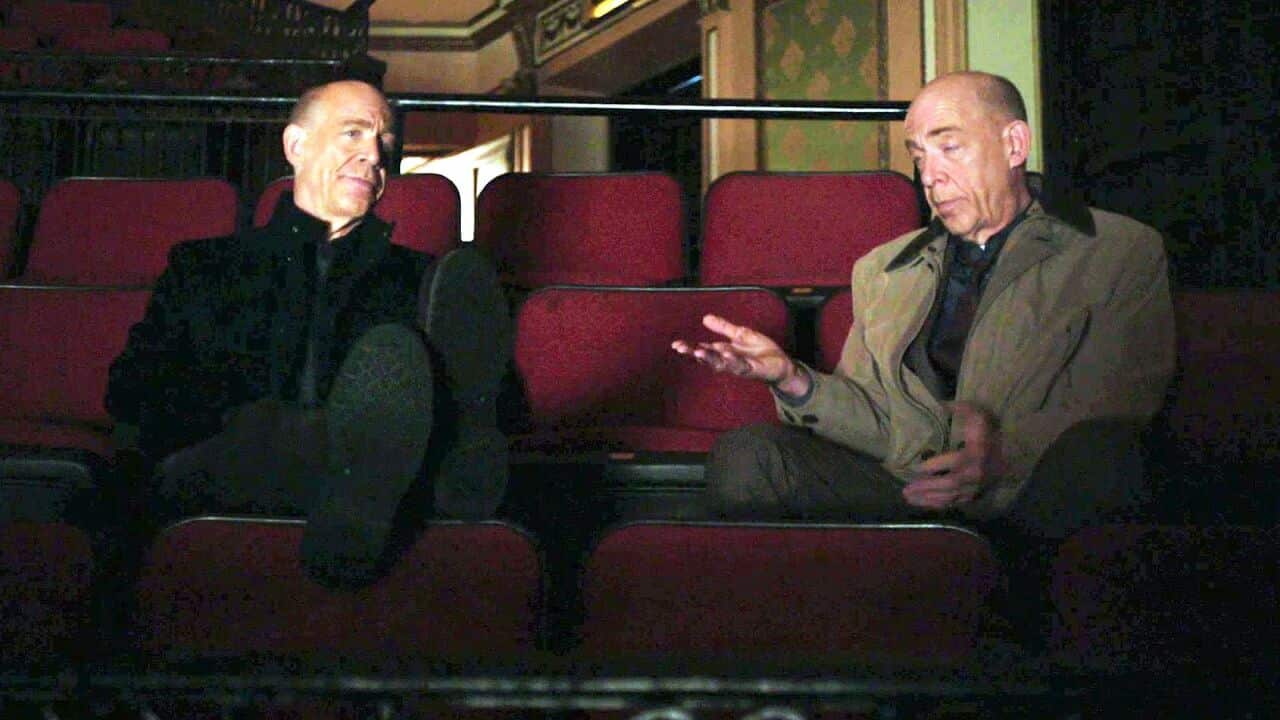
“We share genetics, childhood; I wanna know how you became so … different,” Howard Silk (J.K. Simmons) asks his ‘other’, a ruthless government agent from a parallel Earth in Counterpart.
When we first meet Silk, he’s a dull pencil pusher for an agency that oversees the crossing point to a parallel world. When an assassin starts hopping between the worlds, Silk is introduced to his doppelgänger and they work together to track down the killer. The two Silks look identical – Simmons is incredible playing a dual role – but they have completely different personalities and, most intriguing of all, secrets.
The thrilling spy series with a sci-fi twist examines the different paths our lives can take and offers the ultimate ‘what if’ scenario; what if you were more confident, honest and assured? It’s an idea we’ve wrestled with for a long time, because stories about doppelgängers have always been popular. So where does the fascination come from?
Double vision
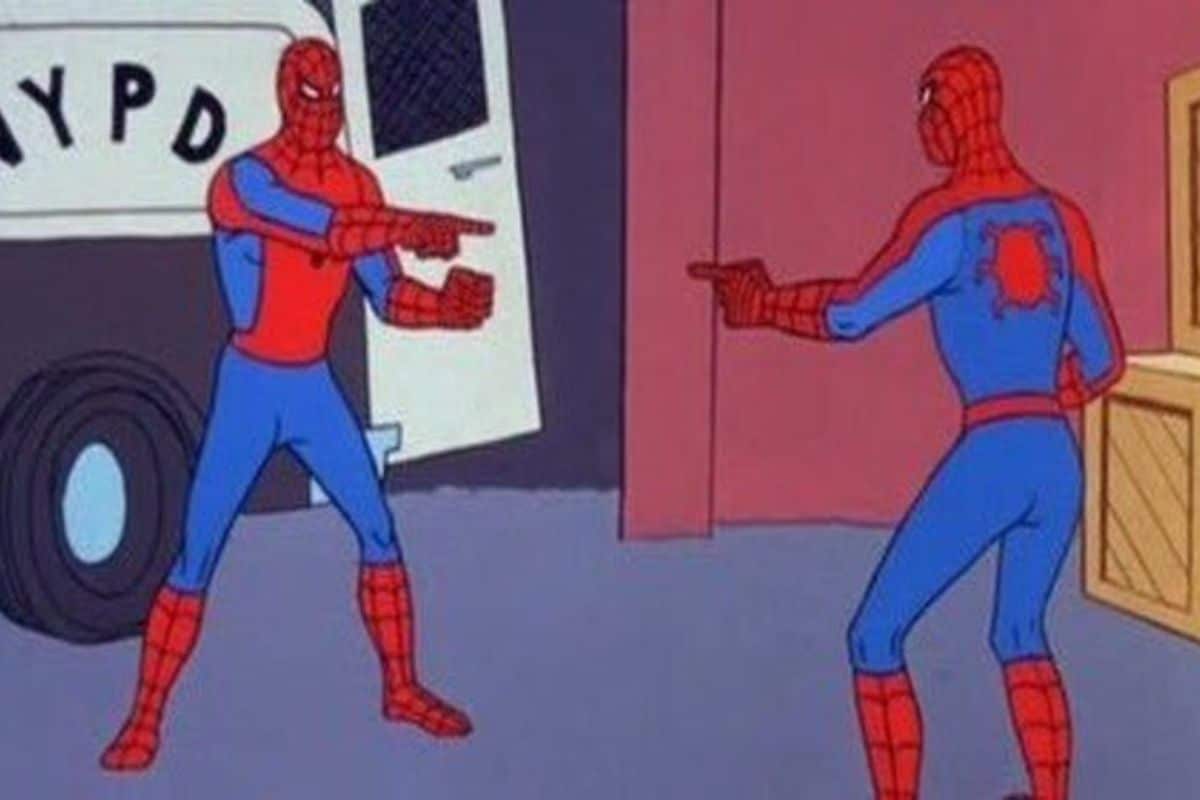
Doppelgänger is a German word that translates to ‘double goer’. According to folklore, a doppelgänger appears as a ghost or spirit and if you see one it means death is imminent. A lot of the lore relates to the mirror image of yourself appearing with sinister intentions.
Since the early 1800s, horror and science-fiction writers have used the concept to freak us out. One of the first significant stories was The Double by Fyodor Dostoevsky, which has a similar premise to Counterpart, about an office worker who meets their double, except they are slowly driven mad.
There are so many tales about doubles including Alfred Hitchcock’s iconic film Vertigo. Add to the pile The Prestige, Adaptation, Dave, Enemy, Lost Highway, Moon, The Devil’s Double, Dead Ringers, The Man in the Iron Mask, Bowfinger and The Parent Trap. There was even a film adaptation of Dostoevsky’s book in 2013.
In 2019, the director of Get Out, Jordan Peele, delivers his follow-up, Us, a film about a family who get terrorised by their doppelgängers. The tagline for the film is: we are our own worst enemy.
The staying power of these stories is evidence there’s an allure to doppelgängers that has a deeper meaning.
What are the chances?
In 2015, Dr Teghan Lucas from the University of Adelaide did research that looked at whether an innocent double could be mistaken for a killer if assessed using only facial features. Dr Lucas studied data from the faces of nearly four thousand people, paying close attention to the distances between their eyes, ears, nose, mouth and more. What's the probability of a match? When using eight different facial measurements, the chances you share the same exact dimensions with another person are less than one in a trillion. Science writer Zaria Gorvett makes the excellent point that although those odds mean that with 7.4 billion people on the planet, that’s only a one in 135 chance that there’s one single, solitary pair of doppelgängers, the story is not so simple.
"The study relied on exact measurements ...There may be another way – and it all comes down to what you mean by a doppelganger," she writes. What facial recognition software calls a match, based on eight facial characteristics, is quite different to what we humans see as similar. The experts Gorvett talks to agree, saying it's likely most people have a facial look-alike somewhere.
What about uncanny resemblances?
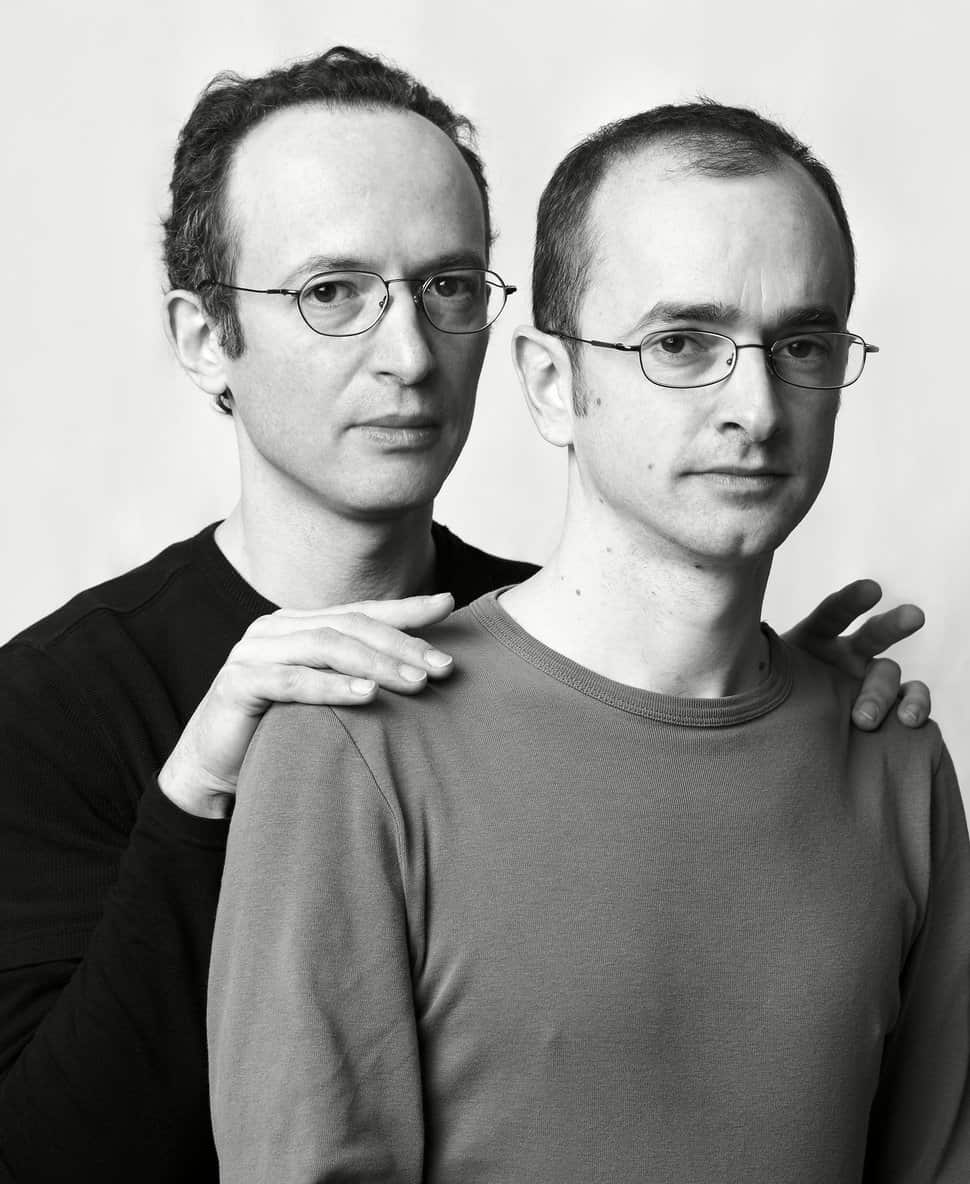
‘I’m Not A Look-alike’ is a project run by Canadian photographer Francois Brunelle, who spent over a decade travelling the world taking photos of people who look similar. In an interview, Brunelle said, “It’s a little bit of a nightmare to meet oneself with no warning.”
Brunelle says sometimes his subjects bond because they have something in common, but other times they are apprehensive: “I think they say no because they don’t want to be facing another person that’s like them.”
That’s not … me
Research says that we’re more likely to trust people who share our physical features, so perhaps a lot of our fascination with doppelgängers comes from their unsettling association with death. It’s rare for a story about a doppelgänger to end well. Often, if there are two versions of the same person, one must perish. A terrifying thought: to be brought down by … yourself.
A lot of look-alike stories deal with the idea of a double doing everything we wish we could. Doppelgängers indulge in the desires of the central character and are often more popular and successful; a constant theme in Counterpart. A double is also a reminder that you are not unique, potentially confronting in a world where we are told our individuality is what makes us special.
A modern twist on doppelgängers is beginning to emerge, with social media and technology intensifying our obsession. The 2018 film Cam focused on a sex worker who discovers a double has hijacked her account and is producing videos. Yes, digital doppelgängers are now a thing. Artificial intelligence is becoming sophisticated enough that fake videos are beginning to emerge online where the likeness of someone is used like a puppet to create photorealistic recordings.
Social media can trigger the same level of terror when we compare ourselves to people of a similar age or circumstances. Writing for the New York Times, Jenna Wortham explored the fear of missing out (FOMO): “A friend who works in advertising told me that she felt fine about her life—until she opened Facebook. ‘Then I’m thinking, I am 28, with three roommates, and oh, it looks like you have a precious baby and a mortgage,’ she said. ‘And then I wanna die’”.
Another scary prospect is that people can create fake Twitter and Facebook accounts to represent you online, which means you then must prove to your family and friends who is the real you. For this reason, many social media companies put in a verification process so you can tell the difference between the real Taylor Swift accounts and all the fake ones.
Whether we’re being gripped by doppelgänger espionage in Counterpart or being freaked out by the latest modern twists on evil doubles, they are here to stay. One could even be waiting for you around the corner (1 in 135, that is).
Season two of Counterpart airs Thursdays at 10.35pm on SBS.
You can catch up on season one or watch all of season two at SBS On Demand: