When it comes to art that touches a collective nerve in the culture, cinema is littered with examples of films that either pushed creative boundaries in uncomfortable ways, are widely misunderstood, or audiences simply weren’t ready for at the time.
Often stemming from the minds of auteur directors working outside the studio system and usually tackling hot button topics with the intention to provoke, these are the types of titles that were deemed either too violent, too graphic or too dangerous to be viewed by the public at large.
But for all the criticism levelled at these controversial entries in the cinema pantheon, you could never accuse them of being forgettable.
The Evil Dead (1981)
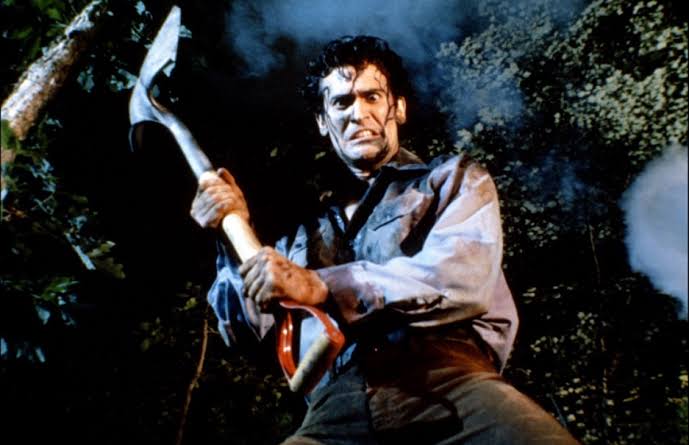
The Evil Dead is the film upon which an entire generation of fledgling filmmakers would draw inspiration from when forging their path to Hollywood. Directed by first time filmmaker Sam Raimi, who along with actor Bruce Campbell and producing partner Rob Tapert, would descend on a remote cabin in rural Tennessee in the freezing Winter of 1979 to bring their ultra-low budget, blood-soaked nightmare to the screen.
But it wasn’t until after the film's release that the filmmaking team would face their biggest battle, with the VHS becoming the poster child of the ‘Video Nasties’ era that plagued the U.K. during the early 1980s. With censorship on the rise throughout Britain, certain titles were deemed too obscene for the public and as a result were heavily edited, or in some cases banned entirely.
It wasn’t until decades later when the original version of the film was finally released in all its unaltered glory throughout many European countries that audiences were able to fully appreciate The Evil Dead for what it so clearly was - an ingeniously crafted, pitch perfect horror that transcended its B-movie trappings to become one of the most influential horror movies of all time.
Showgirls (1995)
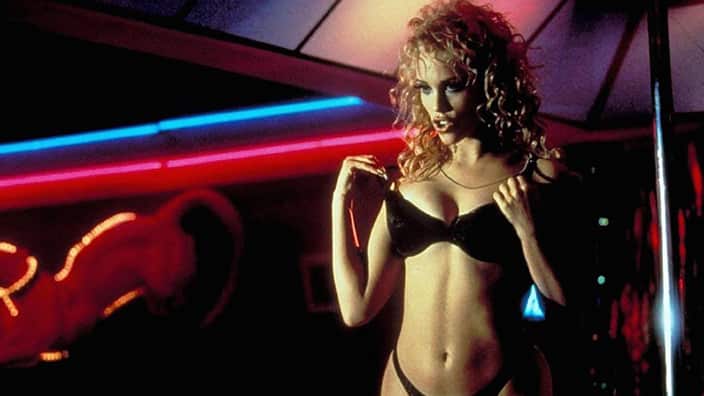
Director Paul Verhoeven is no stranger to controversy, with almost every one of his Hollywood-produced films becoming the subject of scrutiny from audiences and mainstream media alike. Coming hot on the heels of Basic Instinct, the Dutch filmmaker would again tap the talents of screenwriter Joe Ezsterhas, this time turning his attention to the seedy underbelly of the Las Vegas strip.
Notable for the fact it was the first major studio film to receive the infamous NC-17 rating in the United States, Showgirls would be written off by most critics upon its initial release, with renowned critic Gene Siskel labelling the movie “All About Eve in a G-string”.
Showgirls would go on to become a “so bad it’s good” cult favourite, with books being published about some of its more subversive qualities and midnight screenings a common fixture at repertory theatres around the world. Whilst lead actress Elizabeth Berkley, whose Razzie winning performance was written off by many in 1995, has since been reassessed for its intentionally over-the-top qualities.
Crash (1996)

When you see the name Cronenberg next to a movie title, it’s usually a good indication you’re about to see something that doesn’t play it safe, particularly when said film centres around an unorthodox group of couples (James Spader, Holly Hunter, Elias Koteas, Deborah Kara Unger) who get their kicks out of engaging in various explicit acts during scenes of violent, vehicular mayhem.
Despite winning the Special Jury Prize at the Cannes film festival in 1996, it incited mass outs at the festival and was publicly decried by Jury President Francis Ford Coppola. Whilst ahead of its release in the U.K., local councils would seek to slap a ban on the film, with one particularly disgruntled British film critic taking out a full-page advertisement in the London Evening Standard declaring Cronenberg’s film to be “beyond the bounds of depravity”. And if that quote isn’t a glowing enough recommendation of this cult classic, we’re not sure what is.
Dogma (1999)
As Martin Scorsese can attest from his experiences making The Last Temptation of Christ, nothing riles up the general movie going public quite like religion.
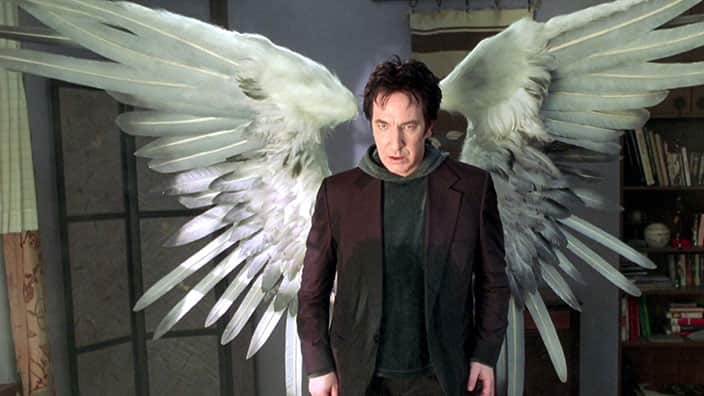
Acting as a treatise of sorts on writer/director Kevin Smith’s own Catholic upbringing, Dogma is a sweary, oftentimes violent comedy that features a main character who works at an abortion clinic (Linda Florentino), Matt Damon and Ben Affleck as two murderous angels, Alan Rickman as the voice of God and Chris Rock as the mischievously cast “13th Disciple”.
Labelled as “blasphemous” by various catholic groups months ahead of release, the film would receive letters of hate mail numbering in the hundreds of thousands and even prompted Disney to sell the film’s distribution rights to a rival company to divert attention away from the wholesome studio.
But there is a thoughtfulness to Dogma that offsets the purposefully dialled up themes. You can almost feel Smith grappling with his own lapsed faith in real time, as he both satirises and mythologises the ways in which we shape our beliefs to help navigate a dark and at times troubled world. And when all is said and done, any film that casts iconic musician Alanis Morissette as God should never be taken too seriously.
Funny Games (1997)
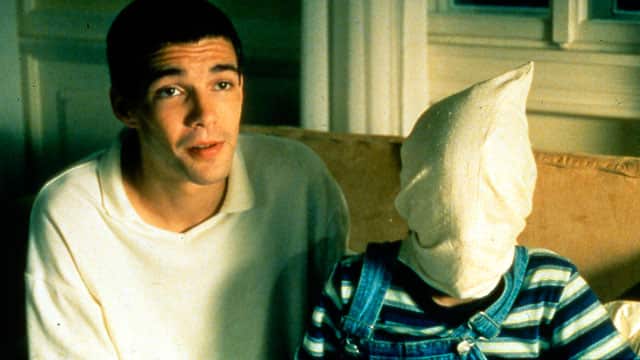
While vacationing in rural Austria, a family are taken hostage by two men at their remote lakeside holiday home. Over the course of one arduous night, their captors terrorise a couple and their young son in ever more elaborate ways, as a sadistic bet plays out to see who will live to see the next morning.
With a logline like that, it’s not hard to fathom why Funny Games became such a magnet for controversy back in 1997, when director Michael Haneke declared at one of the film’s first screenings, “Anyone who leaves the cinema doesn’t need the film, and anyone who stays does!”.
But this isn’t just nihilism for nihilism’s sake. Fourth wall breaking moments hint at the film’s true intentions as a powerful statement on the depictions of violence in the media, as we the audience are made to feel just as complicit in the carnage as the on-screen antagonists.
Haneke would revisit the same subject matter ten years later, turning his focus to a mainstream American audience with the equally unsettling English language remake of the same name starring Naomi Watts and Michael Pitt.
Love Lies Bleeding (2024)

Following reports of homophobic slurs and harassment at its Belgian premiere in 2024, it was clear even from the outset that Love Lies Bleeding had all the makings of a future queer cult classic.
Co-Written and Directed by British filmmaker Rose Glass (Saint Maud), Love Lies Bleeding takes the idea of the male gaze and flips it on its head, blending elements of both a body-horror and romantic-thriller to create one of the most unique depictions of female rage ever put to screen.
Dripping in neo-noir style, the film tackles body building culture, sexuality and the struggle to forge one’s own path within male dominated spaces. Featuring several inspired fantasy sequences and a star-making turn from actress Katy O’Brian, Love Lies Bleeding is the kind of fierce, female led cinema we need more of on our screens.
The Apprentice (2024)
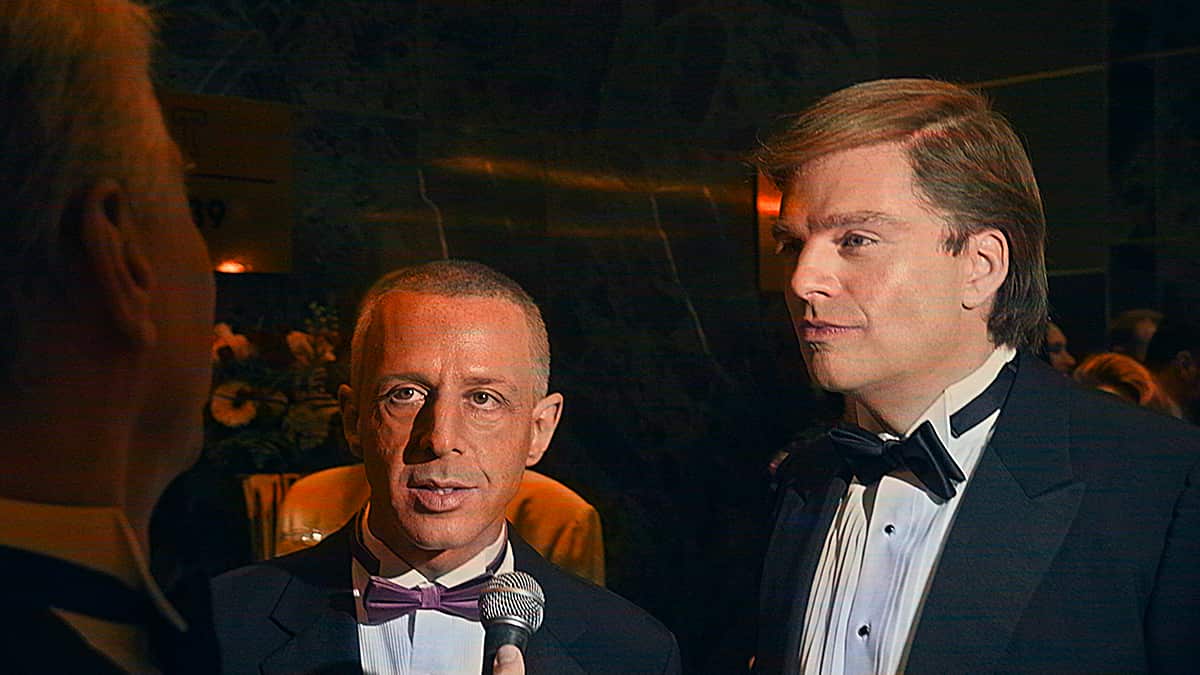
Screening the same year Donald Trump would secure his second term in office, The Apprentice was written off sight unseen from members of both the Left and Right sides of politics.
Sebastion Stan fearlessly tackles the role of Donald Trump in a film that doesn’t shy away the shadier aspects of his early life as a business mogul in New York City, as the seeds of power are sown and he seeks approval to build Trump Tower. Supporting Stan is actor Jeremy Strong in his Oscar nominated role as Senator Roy Cohn, the charismatic New York Lawyer who was an integral figure in Trump’s early life.
For a brief time, it looked as though the film wouldn’t be seen outside of the festival circuit, with most major studios unwilling to open themselves up to potential lawsuits until an independent distributor picked up the film mere weeks before the presidential election.
Now with some distance from the film's initial release, The Apprentice is experiencing somewhat of a re-appraisal, with many critics and commentators acknowledging the ways in which it acts as a skeleton key into how one of the most controversial figures of the 21st Century came to be.