
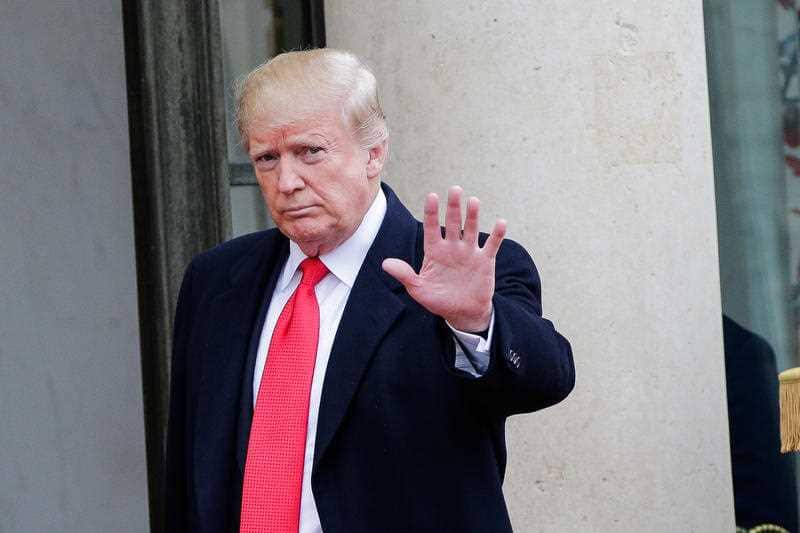
Carolina Gottardo, Director of Jesuit Refugee Service Australia, has called out Prime Minister Scott Morrison's move to follow US President Donald Trump by not signing a non-binding migration agreement which Australia helped draft.
Ms Gottardo was part of the consultation and negotiation process of the UN Global Compact on Migration through her association with the Asia Pacific Refugee Rights Network (APRRN).
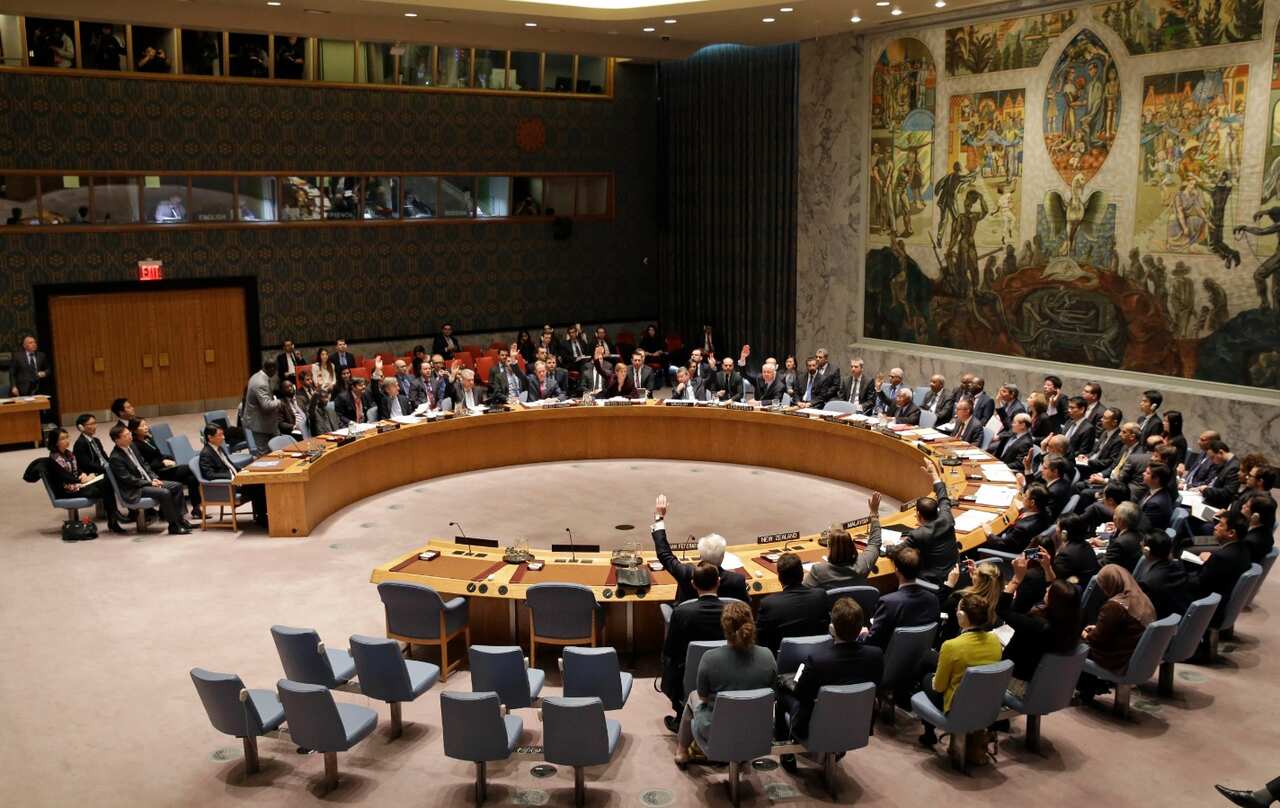
She attended most of the intergovernmental meetings on the compact in New York, where more than 190 member states negotiated the agreement which promotes safe, orderly and regular migration.
She said Australia was "one of the most vocal delegations" during these meetings, and that countries had "nothing to lose" by signing.
"Australia is a country made up on the fabric of immigration. Immigration defines our country," she told SBS Spanish.
"Adopting the global compact provides a historic framework for all of Australian society to improve the lives of migrants.
"The very fact that Australia has been a proactive player in the GCM negotiations reaffirms a legacy of positive engagement with global governance frameworks."
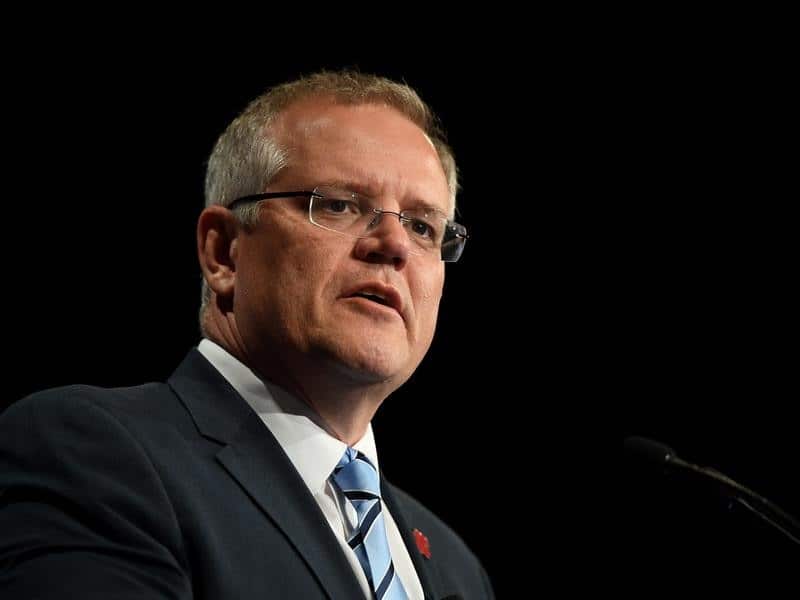
Mr Morrison said signing the pact would compromise Australia's border security and immigration settings.
"It doesn't distinguish between those who illegally enter Australia and those who come the right way," he told 2GB radio on Wednesday.
"I would never allow something to compromise our borders, I worked too hard to ensure that we weren't in that position."
Ms Gottardo said the compact doesn’t attempt to tell countries what to do on border management or to threaten sovereignty.
"In fact, national sovereignty is one of the key principles of the compact and the GCM clearly states the prerogatives of states to manage their borders," she said.
"The GCM is a non-binding agreement. It is not a treaty. This means that Australia can decide how to implement the GCM at the national level.
"No country can manage migration on its own."
Countries who also refused to sign the agreement included Israel, Austria, the Czech Republic, Poland, Croatia, Hungary and Bulgaria.
Ms Gottardo said the countries who refused to sign had something in common in that "they are politicising this issue and trying to appease their far-right parties".
The Refugee Council of Australia slammed the prime minister's "nonsense" excuses for not signing the agreement.
"Australia will join a small group of governments which are each trying to appeal to, or appease, minority far-right political movements within their countries," its chief executive Paul Power said.
"It is hard to see the Australian government's decision as anything other than posturing for some political gain, as the facts do not align with the prime minister's claims."
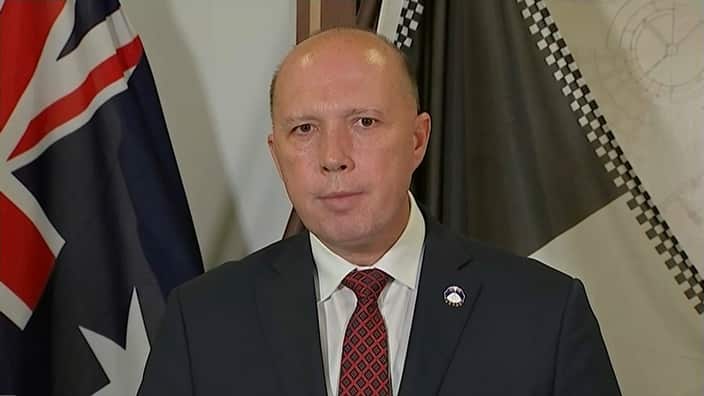
Home Affairs Minister Peter Dutton said the focus of the compact was on Europe, where asylum seekers were drowning at sea in the Mediterranean.
"I think this compact was largely directed at that problem, not towards our part of the world," he told Sky News.
Mr Dutton said through hardline border protection policies, Australia had managed to stop boat arrivals and drownings at sea.
"We're not going to surrender that, we want our sovereignty to remain intact," he said.
Save the Children has called on Australia to work towards global solutions on migration.
"There is an unprecedented movement of people, including vulnerable children, around the world which Australia cannot ignore," policy director Mat Tinkler said.
The UN migration pact is due to be formally adopted at a meeting in Morocco next month.
Listen to us on Radio SBS Spanish 24/7
You can listen to us through Radio Digital, through our live streaming service here on our website or through our mobile app.
Download the free application here:





