
- Full coverage: Charlie Hebdo attack
- Charlie Hebdo: A history of the French satire magazine
- In pictures: Rallies held across Europe for Charlie Hebdo shooting
- World leaders condemn Paris attack
- Cartoonists pay tribute to Charlie Hebdo
Four of the magazine's cartoonists and a journalist were among the dozen people killed in an attack on the offices of the weekly newspaper Charlie Hebdo.
Stéphane Charbonnier, also known as 'Charb'
Editor and chief cartoonist with Charlie Hebdo, aged 47. He was reportedly on al-Qaeda's most-wanted list and had his own personal bodyguard. Although the magazine's offices were petrol bombed in 2011, he remained defiant in the face of threats, saying in a 2012 interview that he would rather "die standing than live on my knees".
News that makes sense
Your trusted source for staying up-to-date with the world around you. Get free daily news updates and analysis, straight to your inbox.
Charbonnier took over the running of Charlie Hebdo in 2009 after joining its staff in 1992. His irreverent caricatures of politicians and other figures mostly appeared in the publication, but also popped up in many other left-wing outlets and outright comics.
He had been living under police protection after receiving death threats for Charlie Hebdo's run of a Mohammed cartoon in 2011, which also saw the newspaper firebombed and its website hacked.
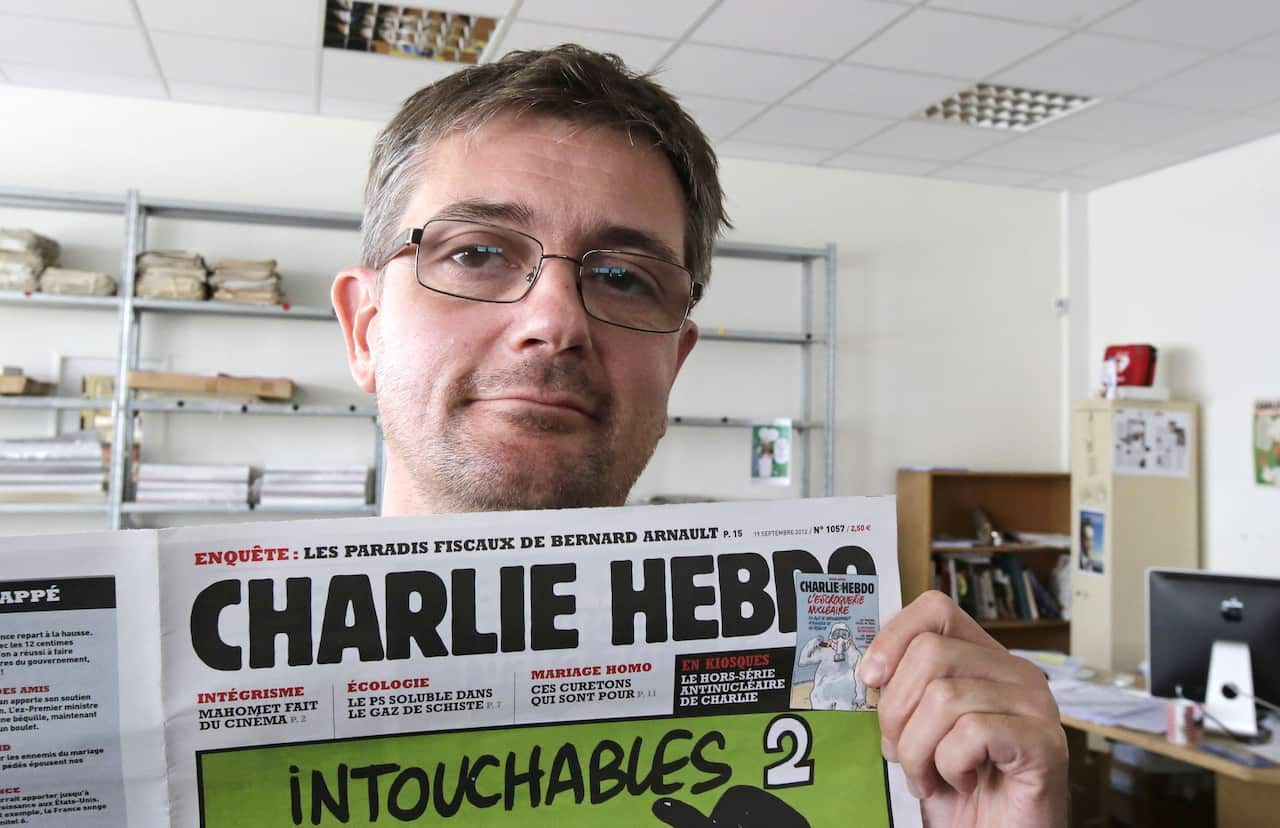
Bernard Maris
Economist and columnist with Charlie Hebdo, aged 68. He wrote a column for the magazine under the pseudonym, "Oncle Bernard" and was a member of the Bank of France’s General Council.
Jean Cabut, also known as 'Cabu'
Cartoonist, aged 76. Cabut traced the times he lived in for nearly six decades, sparing no-one and nothing: not presidents, not the military, not religion. In that, he carried on a tradition of French pamphleteers.
Cabu's most enduring creation was the Beaufs, caricaturing the worst of French complainers, racists and jingoists.
In 2006, he drew a front-page cartoon that depicted the Muslim prophet Muhammad with the caption "Muhammad overwhelmed by fundamentalists." It sparked a number of lawsuits.
"Cartoonists live on stupidities and that will never be turned back," he once said.
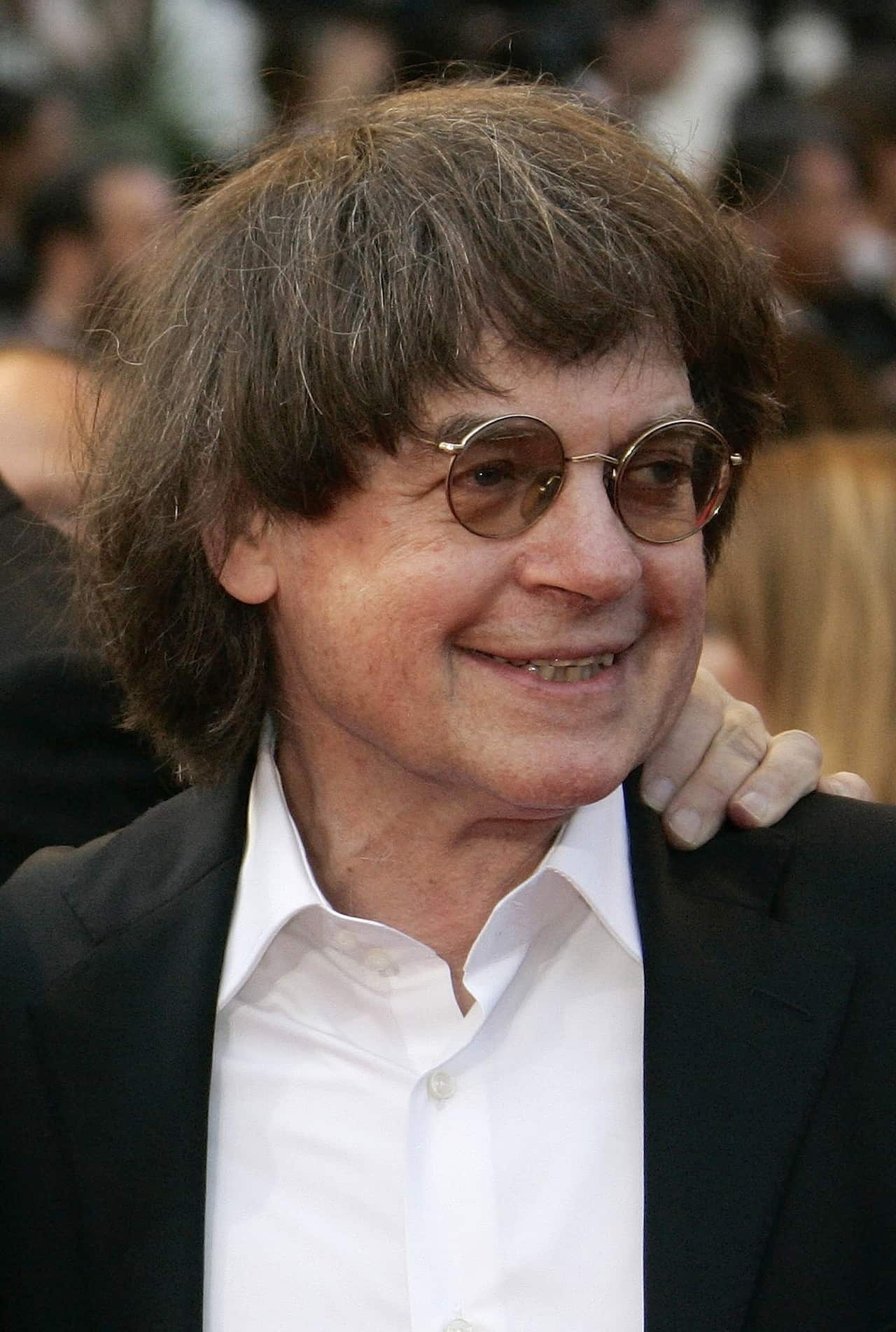
Georges Wolinski
French-Jewish cartoonist, aged 80. His wife wrote a memoir titled "Georges, si tu savais" (George, if you only knew).
Wolinski was a legend in French cartooning, with work stretching back to well before Charlie Hebdo's beginning in 1970.
Born in Tunisia in 1934 to a Polish father murdered when he was just two years old, and to an Italian mother from Tuscany, Georgie, as he was called by his grandmother, discovered comic books from US soldiers deployed to North Africa.
Arriving in Paris at the end of World War II, he started illustrating his high school newspaper and then moved on in 1961 to a publication called Hara Kiri. When that paper was ordered closed by officials, he moved on with its staff to start Charlie Hebdo.
"We used cartoons to talk about the times we lived in, about society, about women," he said.
In the 1980s and 1990s, Wolinski struck out on his own to work for several of France's leftist mainstream newspapers and magazines. In 1992 he returned to Charlie Hebdo while also publishing his own comic book work separately.
Bernard Verlhac, also known as 'Tignous'
Less well-known than the others, but still very much appreciated in the industry for his corrosive touch and energy, Verlhac, 57, had been a cartoonist for the French press since the 1980s. He worked for several other outlets at the same time as for Charlie Hebdo.
"A newspaper cartoon is extremely difficult to get right because you have to get everything into just one frame. It's the opposite of comics," he once said.
- Five more people connected with the magazine (identities unconfirmed)
- Two police officers (identities unconfirmed)







