8 min read
This article is more than 6 years old
Explainer
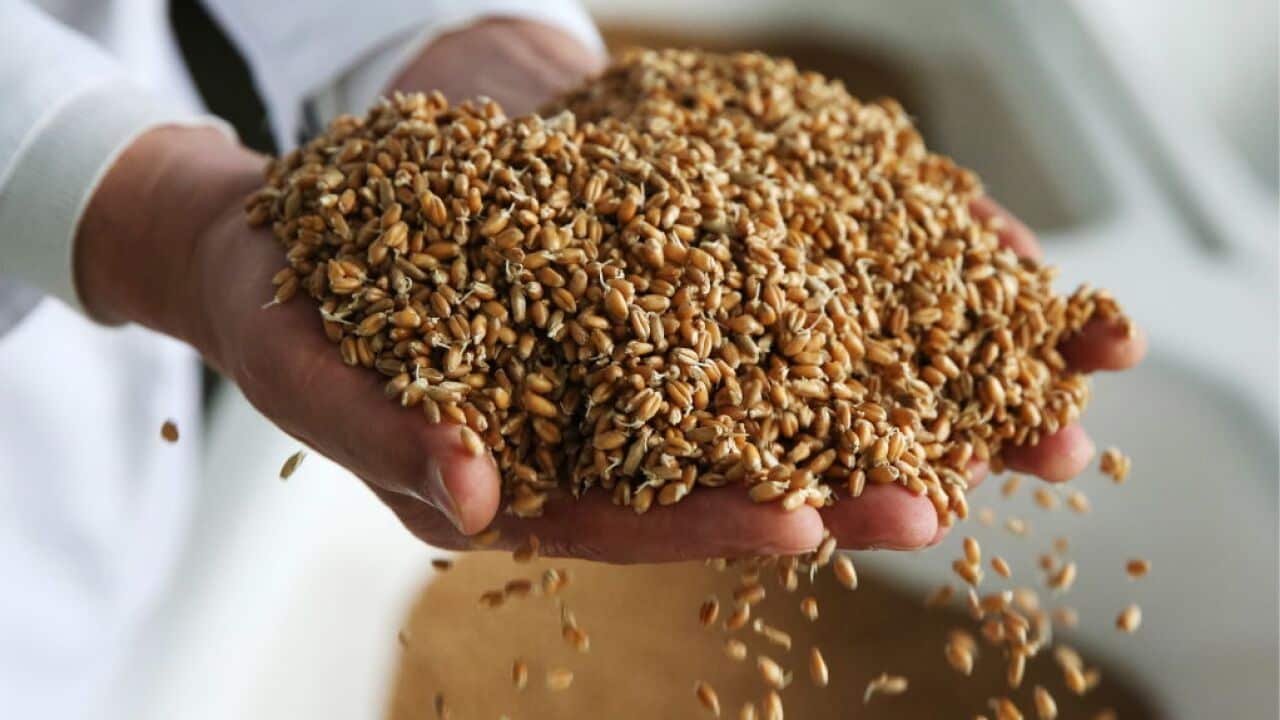
7 wholegrains to improve your health
1. Quinoa
Although quinoa has been a staple food and source of dietary fibre in South America for years, it only came on the scene in Australia in the early 2000s.
“Quinoa has long been cultivated by the Inca peoples and used in various forms, in everything from a porridge with milk and sugar to soups,” says Curtain. “It’s been eaten for hundreds of years for good reason: because it tastes good and is rich in many nutrients, particularly protein.”
Quinoa is recognised as a complete protein and for that reason, it’s considered a rarity in the plant world. “There is a whole range of amino acids which are the small building blocks for proteins. Most animal foods have all of these but few plant foods have them. This is where quinoa is quite special because it has all of those amino acids.” Quinoa is therefore a valuable source of plant-based protein for people following a vegan or vegetarian diet.
Quinoa is also gluten-free so it’s a valid option for people who have celiac disease.
“What makes quinoa gluten-free is that, technically, it's not actually a grain. Botanically it’s a seed but because it’s nutritionally similar to a grain and we cook it in a similar way to grains, it’s classified as a pseudo grain and falls into the grains category in the dietary guidelines.”
Quinoa is also rich in B vitamins, minerals and phytonutrients.
Cooking tips
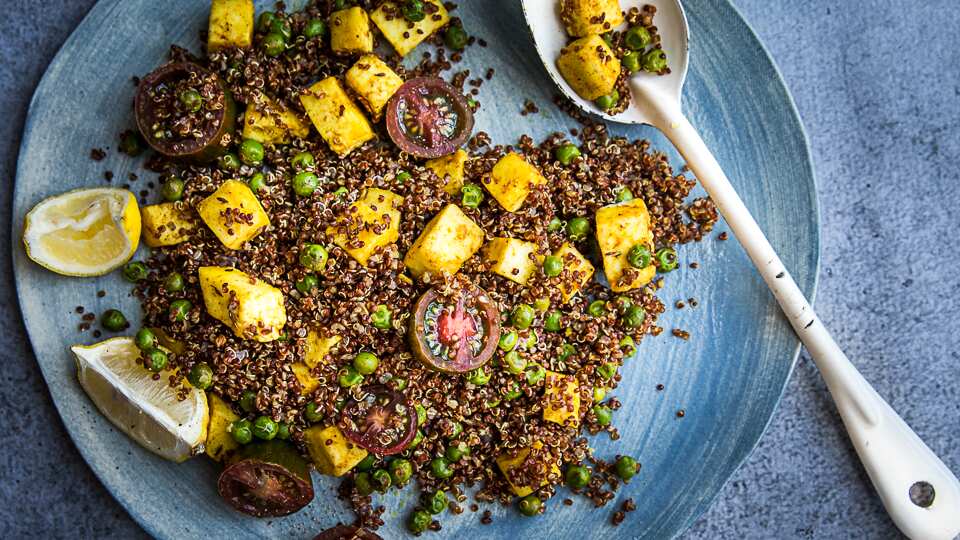
- Quinoa can be cooked in the same way you cook rice.
- It’s great for salads and as a rice substitute.
- You can use quinoa and quinoa flakes to make porridge.
- Quinoa flour can be used to make bread.
- Quinoa is eaten sweet or savoury as it is a neutral-flavoured grain.
- There are lots of colour varieties available as well so you can actually make your dish look extra appealing by mixing red, black and purple quinoa on the plate."
2. Wholegrain wheats: freekeh and farro
Wheat is one of the world’s most familiar grains, consumed regularly in bread, breakfast cereals, crackers and cakes.
So making the switch from refined wheat products to foods made with wholegrain wheat is an easy enough task because you don’t really have to make big dietary changes.
Wholegrain wheat is used to make a whole range of products like pasta, couscous, wholemeal bread, cracked wheat or burghal.
These two wholegrain wheat varieties are harvested while they are still young. Being picked before they have matured gives them a nuttier flavour and a dense texture.
There are also a few other varieties of wholegrain wheat gaining in popularity like freekeh or farro.
“These wholegrain wheat fall into the ancient grain category in that they have been used by other cultures for centuries. Meanwhile, in the last decade or so, we’ve really only just become reacquainted with these ancient grain styles.”
Freekeh is thought to originate North African cuisines, although it remains popular in countries within the eastern Mediterranean Basin where durum wheat comes from.
The history of faro dates back to ancient Egyptian times. Today, it’s used in Italy, particularly throughout the Lazio, Umbria, Tuscany, the Marches, and Umbria regions.
“These two wholegrain wheat varieties are harvested while they are still young. Being picked before they have matured gives them a nuttier flavour and a dense texture.”
Freekeh contains a high amount of protein, is low in calories and plentiful in manganese and iron. Farro is rich in fibre, magnesium and vitamins A, B, C and E.
Cooking tips
Cooking wholegrain wheat may take slightly longer than refined wheat products but Curtain says the short extension of cooking time is worth it.
- Freekeh and farro can be used to replace rice or pasta in your dishes.
- Use wholegrain wheats to make hearty salads.
3. Barley: new and old varieties
Not all barleys are wholegrain. For example, pearl barley is classified as refined because the outer layer of the grain has been polished off.
“During this process, a lot of nutrients are lost,” says Curtain. “So when swapping to wholegrain barley, look for unhulled or hull-less barley.”
So this new product has the potential to boost our health without the need for us to change our eating habits, just by giving us an extra hit of resistant starch.
Innovation in healthy barley products
A new kind of wholegrain barley, BARLEYmax has been developed by the CSIRO and is currently integrated throughout various food products sold in Australia, Japan and the USA.
“It’s really high in a particular fibre called resistant starch. Basically, if ferments in our gut and feeds the good bacteria. In turn, good bacteria release substances that reduce inflammation and protect us from things like colorectal cancer.
“So this new product has the potential to boost our health without the need for us to change our eating habits, just by giving us an extra hit of resistant starch.”
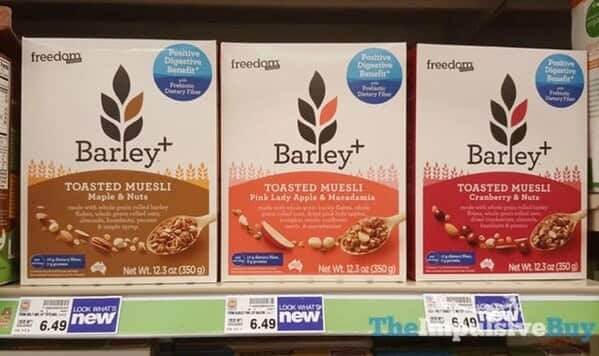
Freedom Foods sell cereals, wraps and muesli bars featuring the wholegrain barley.
BARLEYmax is not yet available for purchase as a flour or product in its own right to be used as an ingredient in cooking. But Curtain predicts that it will soon be available on our shelves.
4. Fonio: an ancient African crop
Fonio is a West African wholegrain from the millet family that’s gaining a lot of attention in the USA.
Although it’s not yet widely popular in Australia, Curtain predicts it will make a splash in Australia soon.
“It’s the next big grain over in the USA now. It’s very similar to couscous and has a sandy texture. If the history of grains is anything to go by, it will migrate over here and be quite big.”
The grain is naturally gluten-free and is a complete protein. It's also rich in dietary fibre, iron, calcium, magnesium, potassium, folic acid and vitamin B3.
Fonio is currently available in some Asian and African grocers however, it is not widely available in Australia yet.
Cooking tips
- Fonio works well as a replacement for rice, couscous or quinoa.
- It can be used in sweet and savoury cooking.
5. Buckwheat
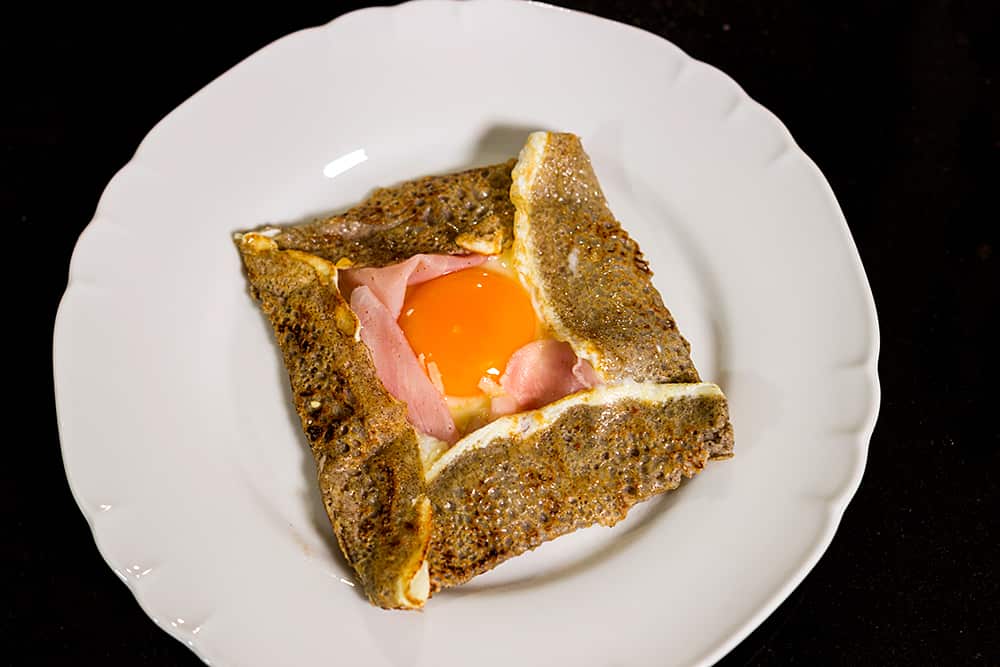
Just like quinoa, buckwheat is also a pseudo-grain. “Botanically it is considered a seed but nutritionally and in culinary use, we group it together with grains as a wholegrain,” says Curtain.
“That means buckwheat is naturally gluten-free and is a complete protein. So it’s suitable for people who need to include more plant-based protein in their diet.”
Cooking tips
Buckwheat has a very nutty taste and nice texture and can be eaten in a whole range of ways.
- Cook buckwheat in the same way you would rice or couscous.
- Serve it along side a stir-fry or curry.
- Soba noodles, used in Japanese cuisine, are made from buckwheat flour or a combination of buckwheat and wheat flour.
- Use buckwheat flour in pancakes and crepes.
6. Brown rice
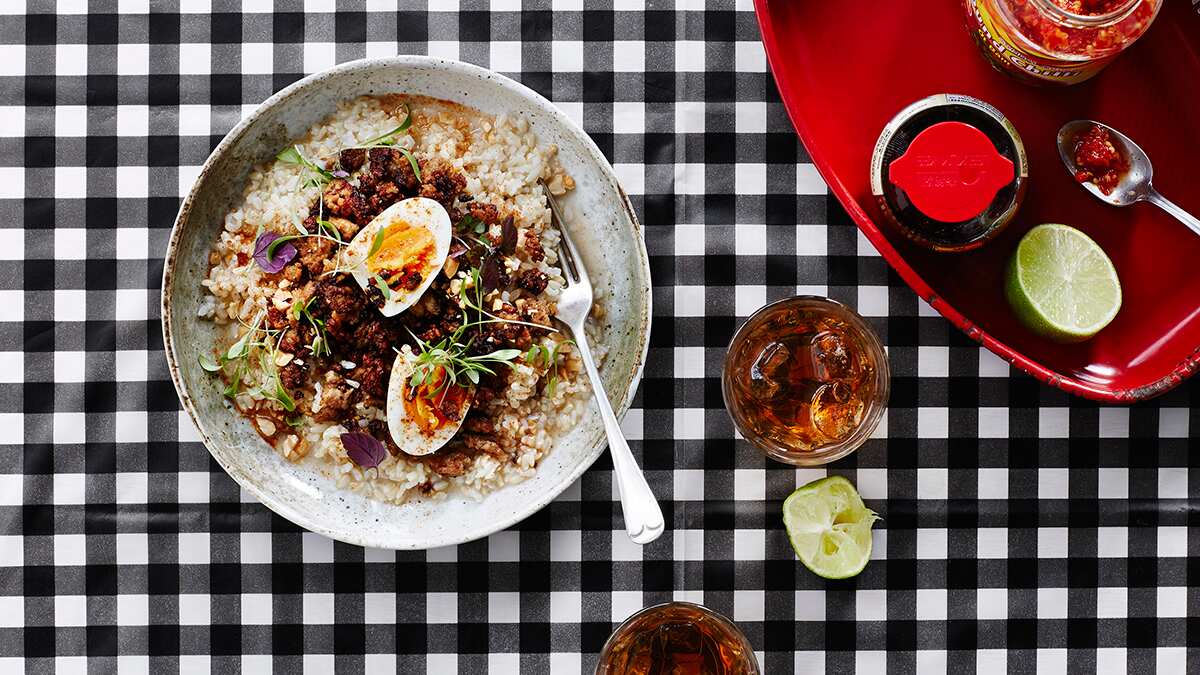
Brown rice is a naturally gluten-free wholegrain alternative.
“What makes brown rice different from other grains is that it is actually lower in fibre," says Curtain. “But it’s bursting with about 25 nutrients: B-group vitamins and minerals antioxidants and phytochemicals. So that’s just a reminder that wholegrains provide more nutrients than just fibre. And these nutrients are retained when the grain is unrefined and is whole.”
Cooking tips
“Brown rice doesn’t get as much attention as it deserves. I think a lot of people are concerned it takes a lot longer to cook than white rice but on average, it only takes about five minutes or so more when you are boiling it on the stove top. So I wouldn’t let the cooking time put you off.”
- Get your brown rice fix in a brown rice cake or brown rice cracker.
- Replace white rice with brown rice to complement a stir-fry or curry.
- Opt for brown rice when making rice pudding.
7. Oats
Oats are a go-to wholegrain because they are always found unrefined, with the three layers of the wholegrain intact.
It is quite unique in that it is very high in protein, which is good for muscle development and to keep us feeling fuller for longer.
“Oats are higher in healthy unsaturated fats than other grains," says Curtain. "Healthy unsaturated fats are good for our heart. They are also rich in the soluble dietary fibre called beta-glucan, which has been linked to improving cholesterol levels and boosting heart health.
Cooking tips
“Oats are a versatile food that soaks up flavours so the options of how you can use oats are quite endless,” says Curtain.
- To make a hearty desert using oats, try the traditional Scottish dish Cranachan. It’s made with cream, fresh raspberries, whisky and Scottish oats.
- If you want to speed up the cooking time of your porridge in the morning, soak your oats overnight.
- You can mix rolled oats with steel cut oats to balance the creamy texture of rolled oats with an al dente bite from the steel cut variety.
- Oat flour can be used to make bread.
- Oat milk is available as a dairy-free milk alternative.