
تعلّم عبارات إنجليزية مفيدة للتحدّث عن العمل الإضافي وكسب دخل إضافي، وتمرّن على استخدام جمل يومية لوصف الأعمال الجانبية، وإدارة المسؤوليات، والتحدّث عن المال.
للاستماع إلى أحدث التقارير الصوتية والبودكاست، اضغطوا على الرابط التالي.
SBS Learn English تساعدكم على التحدث والفهم والتواصل مع الآخرين في أستراليا بحلقاتها العديدة التي يمكن متابعتها عبر هذا الرابط.
هذا الدرس مفيد للمتعلمين من المستوى المتوسط. بعد الاستماع للحلقة اختبروا معلوماتكم من خلال هذا الاختبار.
ملاحظات التعلّم
الهدف اللغوي
- تعلّم كيف تتحدّث عن العمل الإضافي، والدخل الإضافي، وإدارة مسؤوليات العمل.
العبارات والأمثلة
I might do some work on the side.
قد أعمل في وظيفة إضافية.
I might take a side hustle.
قد أبدأ عملًا إضافيًا.
I’ve taken on a side hustle doing freelance design.
بدأت عملًا إضافيًا في مجال التصميم الحر.
I do a bit of graphic design work on the side.
أعمل في التصميم الجرافيكي بشكل إضافي إلى جانب عملي الأساسي.
I’ve picked up a side gig recently.
بدأت مؤخرًا عملًا إضافيًا.
My main job just isn’t cutting it.
عملي الأساسي لم يعد يكفي.
I’m juggling so much at the moment.
أدير الكثير من المسؤوليات في الوقت الحالي.
I already got so much on my plate.
لدي الكثير من المسؤوليات بالفعل.
I’m still finding my feet, to be honest.
بصراحة، ما زلت أتأقلم.
I just do it in my spare time.
أقوم بذلك فقط في وقت فراغي.
التعبيرات العامية
work on the side تعني القيام بعمل إضافي إلى جانب الوظيفة الأساسية لزيادة الدخل.
take on a side hustle تعني البدء بعمل إضافي خارج وظيفتك الأساسية.
isn’t cutting it تعني أن الشيء لم يعد كافيًا أو لا يلبّي احتياجاتك.
Tell me about it تعني "أعرف تمامًا ما تقصده"، وتُستخدم لإظهار الاتفاق، خاصة عند الحديث عن مشكلة.
pick up a side gig تعني البدء بعمل إضافي.
have a lot on your plate تعني أن لديك الكثير من المسؤوليات أو المهام.
make ends meet تعني أن يكون لديك ما يكفي من المال لتغطية النفقات الأساسية.
المفردات
side hustle / side gig
عمل إضافي أو نشاط جانبي تقوم به إلى جانب عملك الأساسي لكسب دخل إضافي.
hustle
العمل بجد وبنشاط لإنجاز الأمور أو لكسب المال.
extra income
دخل إضافي تحصل عليه إلى جانب راتبك أو دخلك الأساسي.
freelance work
العمل الحر، أي العمل لحسابك الخاص في مشاريع أو مهام قصيرة لصالح أفراد أو شركات.
juggle
إدارة عدة مهام أو مسؤوليات في الوقت نفسه.
Transcript:
(Note: This is not a word-for-word transcript)
SBS acknowledges the Traditional Custodians of Country and their connections and continuous care for the skies, lands, and waterways throughout Australia.
Do you maybe feel like you aren’t earning enough? Maybe your bills are going up, or you’re saving for something special. A lot of my friends are looking for ways to earn some extra money, so I thought it would be useful to learn how to talk about it.
Hi, I’m Josipa, and in this episode, we’re practising everyday English you can use to talk when you’re working on the side.
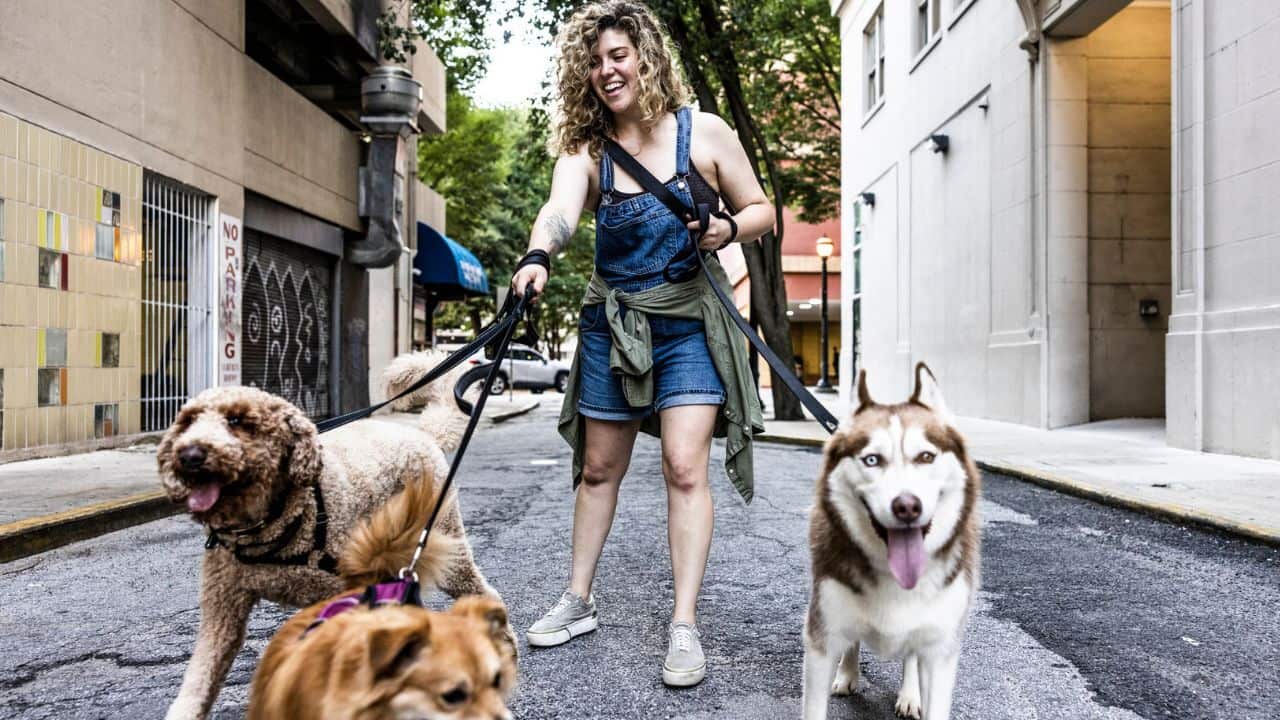
If you're working on the side, you’re doing a small job or activity you do outside your main job to earn extra money. It could be anything from driving people around to selling something online or even turning a hobby into a bit of extra cash. By the way, if anyone needs a dog sitter, let me know...I’m available.
Let’s join Allan and Claire Let's join Allan and Claire. They work together and have just finished for the day and having a chat. Allan looks a bit tired but thoughtful...
Allan: I might do some work on the side. This job just isn’t cutting it.
Claire: Tell me about it. I’ve picked up a side gig recently.
Allan: Is it hard to juggle everything? I already got so much on my plate.
Claire: Yeah a bit. I just do it in my spare time. It's not much but helps make ends meet.
These days, with the cost of living going up, no wonder that so many people are looking for ways to earn extra income.
Extra income is additional money you earn, on top of your main income or salary. Let’s see what other useful phrases we can practise when talking about extra jobs we take on the sides. First, Allan said,
I might do some work on the side.
So, as we already learned, when you say that you have some ‘work on the side’, you have another small job to earn extra income that is different from your main employment.
- I do a bit of graphic design work on the side.
You could also say,
- I might take a side hustle.
To take on a side hustle is to start doing extra work outside your main job to earn more money. Hustle means to work hard and move quickly to get something done. It can also mean trying hard to make money or succeed, often with energy and effort.
For example, you could say,
- I’ve taken on a side hustle doing freelance design.
If you’re doing freelance work, you’re earning money by working for yourself and doing jobs for different people or companies.
Allan also said,
My main job just isn’t cutting it.
If something isn’t cutting it, it is not enough or not good enough for what you need. In this case Allan’s job isn’t giving him enough money.
You can use this phrase in other situations, too. For example,
- This old phone isn’t cutting it anymore. I need a new one.
Next, Claire said,
Tell me about it. I’ve picked up a side gig recently.
Tell me about it. This is a very common, informal expression. It means you strongly agree with someone, especially when they’re talking about a problem. For example,
- Work has been so busy lately.
- Tell me about it.
Claire also said,
I’ve picked up a side gig recently.
A side gig is another way of saying a job on the side, that is, in addition to your main job.. It’s a small job you do to earn extra money. To pick up often means to collect something or someone, but here it means to start doing something.
Do you remember what Allan asked Claire? He said,
Is it hard to juggle everything?
To juggle literally means to throw things up in the air and catch them all in a pattern the way that clowns do in a circus. Here it means to do and manage several things at the same time. Let’s say you go to work every day and you are also taking care of your small children and managing things at home, you could say,
- I’m juggling so much at the moment.
Another way to say the same thing is a phrase Allan used when he said,
- I already got so much on my plate.
If you have a lot on your plate, you have a lot of responsibilities or things to do. You're busy, and it can feel a bit difficult to manage at time.
Yeah a bit. I just do it in my spare time. It's not much but helps make ends meet.
When Claire says ‘a bit’ she is agreeing with Allan and saying that she also is also finding things a little difficult to manage. She says it helps her make ends meet.
If you can make ends meet, you’re having enough money to pay for basic costs, like rent, food, bills and transport. For example, you could say,
- I repair cars on weekends. I just do it in my spare time. It’s not much, but it helps make ends meet.
Claire also said,
- I just do it in my spare time.
Your spare time is the time when you’re not working or being busy with other jobs at home or responsibilities. It’s your free time.
Let’s say you are getting to know someone a bit better, you could ask,
- What do you do in your spare time?
Or, if you’re planning something with friends but you’re not sure if they are free, you could say,
- Do you have any spare time this weekend?
And here’s a tip for you: we often use “in my spare time” when talking about hobbies or things we enjoy. In my spare time, I like watching true crime documentaries. What do you do in your spare time?
So, when you’re talking about earning extra income, you can use phrases like, picking up a side gig, or taking on a side hustle or doing something in your spare time to earn money.
للاستماع إلى أحدث التقارير الصوتية والبودكاست، اضغطوا على الرابط التالي.
أكملوا الحوار على حساباتنا على فيسبوك وانستغرام.
اشتركوا في قناة SBS Arabic على YouTube لتشاهدوا أحدث القصص والأخبار الأسترالية.