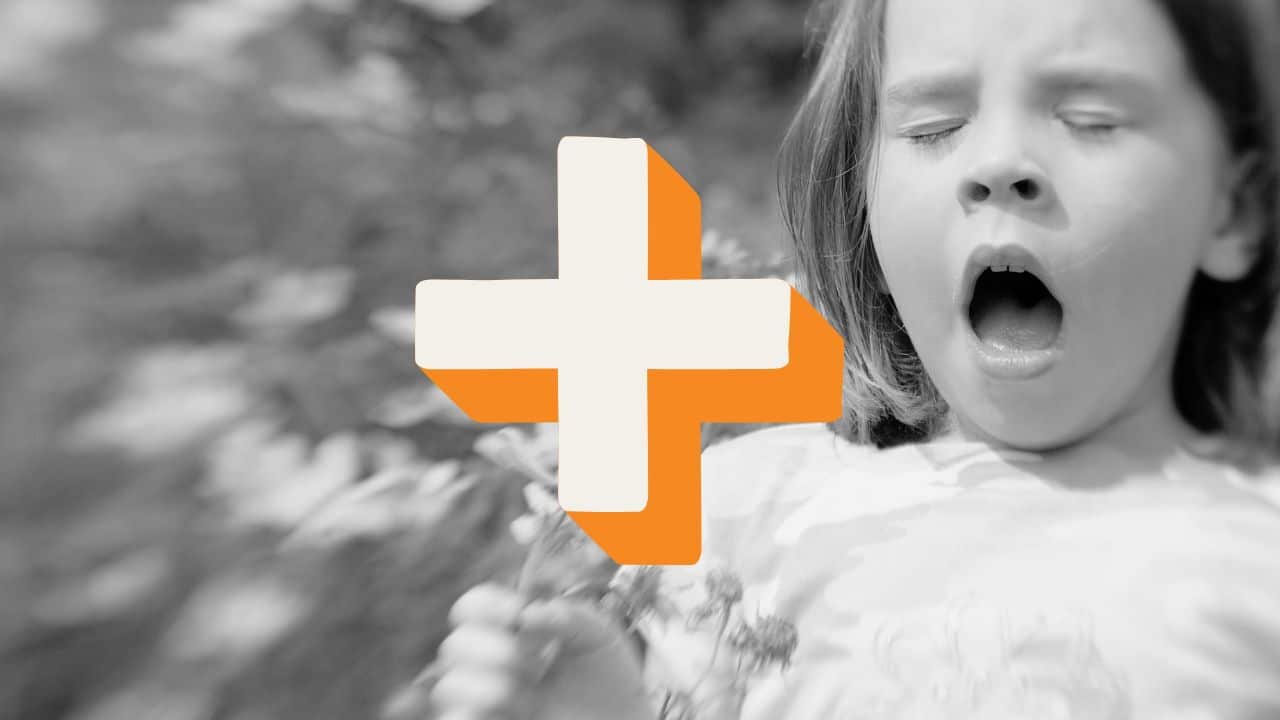


تعلّم عبارات إنجليزية مفيدة للتحدّث عن حمى القش، وتمرّن على استخدام جمل يومية لوصف الأعراض، والتحدّث عن الأدوية، والردّ بلطف على شخص يعاني من حمى القش.
للاستماع إلى أحدث التقارير الصوتية والبودكاست، اضغطوا على الرابط التالي.
SBS Learn English تساعدكم على التحدث والفهم والتواصل مع الآخرين في أستراليا بحلقاتها العديدة التي يمكن متابعتها عبر هذا الرابط.
هذا الدرس مفيد للمتعلمين من المستوى المتوسط. بعد الاستماع للحلقة اختبروا معلوماتكم من خلال هذا الاختبار.
ملاحظات التعلّم
الهدف اللغوي
تعلّم كيف تصف أعراض حمى القش، وتتحدّث عن الأدوية، وتردّ بلطف وتعاطف على شخص يعاني منها.
العبارات والأمثلة
التحدّث عن حمى القش
My allergies are really bad at the moment.
أعراض الحساسية لدي شديدة جدًا حاليًا.
I can’t stop sneezing.
لا أستطيع التوقّف عن العطس.
I get hay fever every spring.
أُصاب بحمى القش كل ربيع.
I think the pollen is getting to me today.
أعتقد أن حبوب اللقاح تؤثر فيّ اليوم.
I’ve been sneezing all morning.
أعطس باستمرار منذ الصباح.
I’ve gone through so many tissues today.
استخدمت الكثير من المناديل اليوم.
My eyes are itchy.
أشعر بحكة في عينيّ.
My throat feels itchy.
أشعر بحكة في حلقي.
I keep rubbing my eyes.
لا أتوقّف عن فرك عينيّ.
Try not to rub your eyes too much.
حاول ألّا تفرك عينيك كثيرًا.
I’ve already taken an antihistamine.
لقد تناولت بالفعل دواءً مضادًا للهيستامين.
It hasn’t kicked in yet.
لم يبدأ مفعوله بعد.
I hope my antihistamine kicks in soon.
آمل أن يبدأ مفعول مضاد الهيستامين قريبًا.
My hay fever is starting to ease up.
بدأت أعراض حمى القش لدي تخفّ.
I’ve been hit hard by hay fever this year.
عانيت بشدة من حمى القش هذا العام.
The pollen is really out in force today.
حبوب اللقاح منتشرة بكثافة اليوم.
الردّ على شخص يعاني من حمى القش
Bless you!
يرحمك الله!
That must be doing your head in.
لا بد أن ذلك يزعجك كثيرًا.
Are your eyes itchy too?
هل تشعر بحكة في عينيك أيضًا؟
You’ve really been hit hard by it.
يبدو أنك تعاني منها بشدة.
Hopefully it eases up soon.
آمل أن تخفّ الأعراض قريبًا.
You poor thing.
يا لك من مسكين.
Hay fever can be such a pain.
قد تكون حمى القش مزعجة جدًا.
التعبيرات العامية
To do your head in
تعني أن يزعجك شيء أو يصيبك بالإحباط.
To get to someone
تعني أن يزعج شيء شخصًا أو يثير ضيقه.
To kick in
تعني أن يبدأ مفعول شيء.
To be hit hard by something
تعني أن تتأثر بشيء بشدة.
To be out in force
تعني الوجود أو الانتشار بكميات أو أعداد كبيرة.
To be a pain
تعني أن يكون الشيء مزعجًا أو صعبًا.
المفردات
Hay fever
حمى القش، وهي حساسية قد تسبّب العطس وتدمّع العينين أو سيلان الأنف.
An allergy
الحساسية، وهي حالة يتفاعل فيها الجسم بصورة سلبية مع شيء يكون عادةً غير ضار.
Pollen
حبوب اللقاح، وهي مسحوق دقيق جدًا تنتجه الأجزاء الذكرية من الأزهار أو النباتات البذرية.
To sneeze
أن تدفع الهواء فجأة من الأنف والفم عندما يسبّب شيء تهيّجًا.
To rub
تحريك اليد ذهابًا وإيابًا فوق شيء.
Itchy
تصف الشعور بالتهيّج والرغبة في حكّ جزء من الجسم أو فركه.
An antihistamine
دواء مضاد للهيستامين يمكن تناوله لتخفيف أعراض الحساسية، بما فيها حمى القش.
To go through something
تعني استخدام كمية كبيرة من شيء.
To ease up
تعني أن يخفّ الشيء أو يصبح أقل شدة.
محور التعلّم
عندما نتحدّث عن شيء بدأ في الماضي وما زال مستمرًا أو يؤثر في الحاضر، نستخدم زمن المضارع التام:
have/has + past participle
وغالبًا ما يُستخدم هذا الزمن مع كلمتَي already وyet، كما في:
I’ve already taken an antihistamine.
لقد تناولت بالفعل دواءً مضادًا للهيستامين.
تناول الدواء في الماضي، وما زال موجودًا في جسمه.
But it hasn’t kicked in yet.
لكن مفعوله لم يبدأ بعد.
تناول الدواء، لكنه لم يبدأ العمل حتى الآن.
I’ve gone through so many tissues today.
استخدمت الكثير من المناديل اليوم.
بدأ باستخدامها هذا الصباح وما زال مستمرًا.
We’ve been hit hard by the rent increase.
لقد تأثرنا بشدة بارتفاع الإيجار.
ارتفع الإيجار في الماضي، وما زلنا نواجه صعوبة بسببه.
You’ve really been hit hard by it.
لقد عانيت منه بشدة.
بدأت المعاناة في الماضي وما زالت مستمرة.
I’ve been sneezing all morning.
أعطس باستمرار منذ الصباح.
بدأ العطس في الصباح وما زال مستمرًا.
Transcript:
(Note: This is not a word-for-word transcript)
SBS acknowledges the Traditional Custodians of Country and their connections and continuous care for the skies, lands, and waterways throughout Australia.
Spring can be beautiful. The weather warms up, flowers start blooming and suddenly everyone is outside enjoying the sunshine.
Allan: Achoo!
Claire: Bless you!
Allan: Thanks.
Well, almost everyone. For some people, spring also means sneezing every five seconds.
Hi, I'm Kate, and in this episode, we're practising everyday English you can use to talk about hay fever.
Hay fever is an allergy that can make you sneeze and give you watery eyes or a runny nose. It often happens when there's lot of pollen in the air.
Pollen is a very fine powder that comes from flower. And in spring there is a lot of it in the air. Maybe, when spring comes, you, like Allan and me, struggle with hay fever. Or perhaps you know someone who does.
The Australian Institute of Health and Welfare says that nearly one in four Australians — more than 6 million people — had hay fever in 2022. That is a lot of sneezing.
So, let's learn how to talk about it!
Allan: My allergies are really bad at the moment. I can't stop sneezing.
Claire: Oh, that must be doing your head in. Are your eyes itchy too?
Allan: Yeah, really itchy. I keep rubbing them. I've already taken an antihistamine, but it hasn't kicked in yet.
Claire: You've really been hit hard by it. I hope it eases up soon.
I know exactly how Allan feels. When my hay fever is bad, I can go through a whole box of tissues before lunchtime. If that sounds familiar, let’s learn some useful ways to talk about it.
Allan first said:
My allergies are really bad at the moment.
You have an allergy is when your body reacts to something that is usually harmless. Some people have an allergy to certain foods, animals, dust or pollen.
A lot of people have an allergy to very small bits that float in the air from pollen, dust or mould. We call this hay fever.
You could say:
I get hay fever every spring.
Or:
I think the pollen is getting to me today.
If something is getting to you, it is starting to affect you or make you feel unwell or upset. Here, Allan means the pollen is causing his hay fever symptoms.
Allan also said:
I can't stop sneezing.
To sneeze is when you react to something so that you suddenly push air out of your nose and mouth. You often sneeze when you have a cold in your head. You could also say:
I've been sneezing all morning.
Or:
I've gone through so many tissues today.
To go through something means to use a lot of something. So, Allan has used a lot of tissues because he has been sneezing and blowing his nose. If someone sneezes, you could say:
Bless you!
Did you know that ancient people believed that a sneeze could make your soul leave your body? So, people said “Bless you” to help keep you safe.
Let's go back to our dialogue. Claire said:
That must be doing your head in.
Doing your head in is an informal expression. It means that something is very annoying or frustrating.
You can use this phrase in a. Lot of different situations when something is annoying, and you don’t like it. For example:
All these emails are doing my head in.
Claire also asked:
Are your eyes itchy too?
If a part of your body is Itchy, then it is irritated and you feel like you want to scratch or rub it. If you have hay fever, you might have itchy eyes, an itchy nose or:
My throat feels itchy.
Allan replied that his eyes felt very uncomfortable:
Yeah, really itchy. I keep rubbing them.
To rub means to move your hand back and forward over something. People often want to rub their eyes when they are itchy, but it only makes them feel worse, so you might say:
Try not to rub your eyes too much.
Allan also said:
I've already taken an antihistamine, but it hasn't kicked in yet.
An antihistamine is a medicine that people often take to help with their allergies, including hay fever.
When a medicine kicks in, it starts working. For example:
I hope my antihistamine kicks in soon.
At the end, Claire said:
You’ve really been hit hard by it.
If someone has been hit hard by something, it has affected them very badly.
For example, when I visited the US, I was hit hard by jet lag. Or this summer, parts of southern Europe have been hit very hard by bushfires.
You can be hit hard by all kinds of different bad situations – by difficult news or by the cost of living ...anything that has a big effect on you. For example,
We've been hit hard by the rent increase this year.
Claire also said:
I hope it eases up soon.
To ease up means to become less strong. For example:
My hay fever is starting to ease up.
And if someone you know is struggling with hay fever, there are a few simple, kind things you can say to show that you feel for them:
- You poor thing.
- Hay fever can be such a pain.
- pollen is really out in force today.
If something is out in force, there is a lot of it. Here, Claire means there seems to be a lot of pollen in the air today.
للاستماع إلى أحدث التقارير الصوتية والبودكاست، اضغطوا على الرابط التالي.
أكملوا الحوار على حساباتنا على فيسبوك وانستغرام.
اشتركوا في قناة SBS Arabic على YouTube لتشاهدوا أحدث القصص والأخبار الأسترالية.