

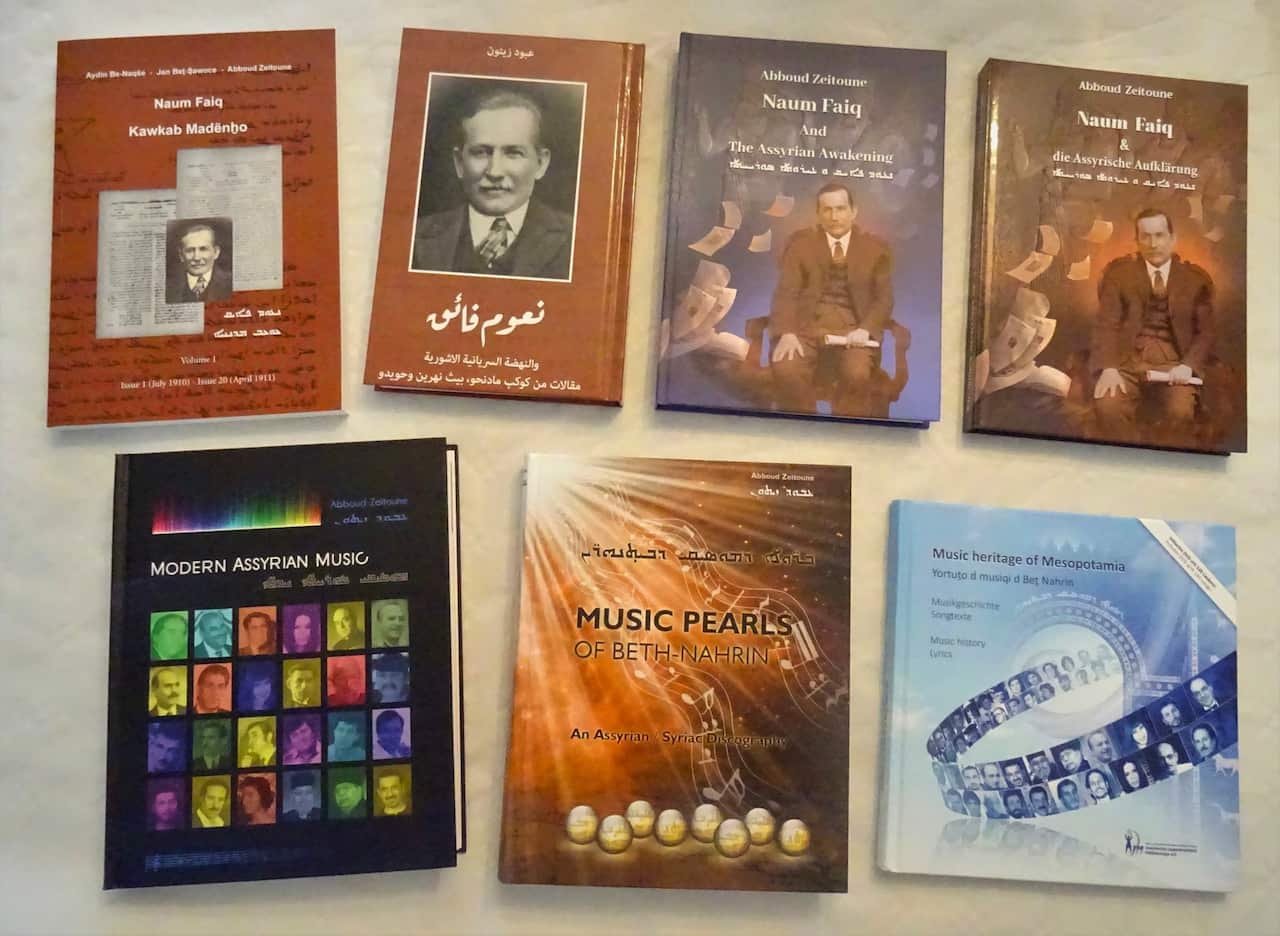
In this part of the interview, we continue our discussion with Assyrian writer and researcher Abboud Zeitoune about his latest book, The English translation of (Naum Faiq: The Assyrian Awakening).
Key Points
- Assyrian translators add a soul to the translation
- The youth need to read in a language they undrstand
- Churches and organisations can play a greater role in supporting the writers
Mr Zeitoune talks about how this book has changed his thoughts and character regarding the Assyrians. He said his research into the Assyrian nation's history in the past hundred years and exploring all the sufferings, trauma, genocides and tragic events has made him think with a softer approach to many conflict issues. Arguments about Assyrian identity and what name they should call themselves
Researcher and author Abboud Zeitoune says, “ It doesn’t matter what you call yourself, Ashouraya, Athournaia, Soryaya, Aramaya, all these don’t matter as long as we realise the fact that we are all from one origin, Assyria. So the most vital thing to our existence and survival is to work and work together.".
Regarding the Assyrian youth born or living in the diaspora, Mr Zeitoune says, “to get our youth involved in reading their history and learn about their culture, It is essential that Assyrian writers write in a language accessible and understood by the youth. Whether it is German, English, or Arabic.”
For this reason, Mr Zeitoune says he translated his latest book from Arabic to German and now to English.
Different names of our nation are not important, as long as we know we are of Assyrian originAbboud Zeitoune
As for the books written in Assyrian or Arabic and translated into German or English, Mr Abboud says he was fortunate to have a network of Assyrian friends who are proficient in different languages, and they contributed immensely to his book.
Mr Zeitoune believes that when an Assyrian translates a book to another language, Assyrian readers realise there is the Assyrian soul and spirit in the translation, which is not quite the same feeling result if done by a non-Assyrian. This is vital to keep the book's heart intact in the translation.
As for the hurdles Assyrian writers face when publishing their books and don’t find as many readers or people buying their publications, Mr Zeitoune said, “Unfortunately, Assyrians don’t read many books.”
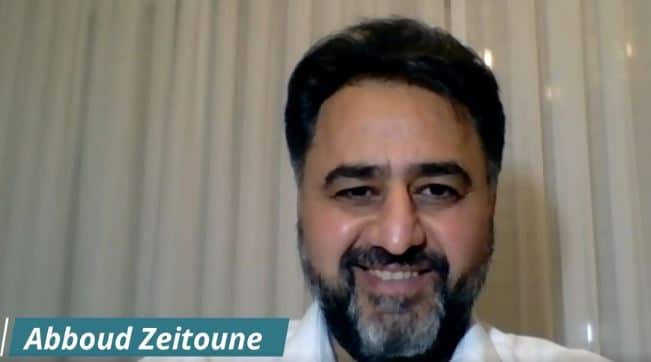
He says,” In Germany when travelling in the train, you will quickly notice so many people immersed in their book reading until they reach their destination. Sadly, this is not the case with Assyrians. It doesn’t matter if they are Western or Eastern-speaking Assyrians.
A year after publishing his book, hundreds of copies still sit in boxes or on bookshelves covered in dust. He continues,” I know In Europe, Assyrians are over two hundred thousand, live in different cities; my book in the German edition has not sold more than fifty copies.” Mr Zeitoune says.
Out of two hundred thousand Assyrians, only fifty books have been soldAbboud Zeitoune
Assyrian researcher writer points out that many Assyrian organisations and associations worldwide exist. If each organisation buys ten or fifteen copies of a book published by an Assyrian writer, then authors or publishers will be incentivised to write and publish more”.
“Not only organisations but our churches as well,” says Mr Zeitoun. “If our churches open libraries in each parish and ask publishers to bring copies of their books to the library, then the church will also play a great role in spreading the Assyrian literature and language”.
Mr Zeitoune points to another obstacle in his book distribution to different parts of the world. He says Australia, for example, is very far from Europe. To have one of his books that weighs about one Kg or sometimes more, the posting costs are very high, which adds to the book's price and discourages interested people from buying it.
Finally, Mr Zeitoune says,” despite the challenges I face in spreading and distributing my published works, I still haven’t lost hope. I will continue, and as a matter of fact, I am now writing two new books which will be published in the very new future,”
Listen to Part One of this interview embedded embedded
You can contact Mr Abboud Zeitoune at