For most of us, buying a home will be the biggest expense of our life, so making sure we understand how auctions work is very important.
Let's break down what to do before, during and after an auction.
Before the auction
- Before thinking about placing a bid, attend a few auctions as an observer to get a feel for them.
- Inspect properties you’re interested in and have a good look around the house and the neighbourhood to see if they suit you. Ask the real estate agent any questions you may have.
- It is recommended that you get experts to conduct building and pest inspections, but this has to be arranged before the auction. Afterward, the conditions can’t be changed. You might also want to have a solicitor check if anybody else has a claim on the property or the land, for example, for a road widening or new power line.
- Get your finances in order. Inquire about mortgage options and set a firm price limit for your bidding. Take into account additional expenses like stamp duty, legal fees, renovations, etc. Investigate to know how much similar properties go for in the area.

On the day of the auction
-Arrive early so you have the time to have one last look at the property and the documents. At least 30 minutes before the auction, the agent is required by law to display the documentation about the property.
-In most states, buyers have to register with the agent and show a piece of ID to be allowed to bid.
-If you can't make it or are too nervous to participate, somebody can bid on your behalf.
The auction
- The auctioneer will start by announcing the laws and rules of the auction.
- He will then ask for an opening bid and decide the amount by which the bid will rise. If the auctioneer picks, for example, $5000 increments, it’s still possible to make smaller bids, but he’s allowed to refuse them.
- Note that it’s illegal to make dummy bids to raise the bidding.
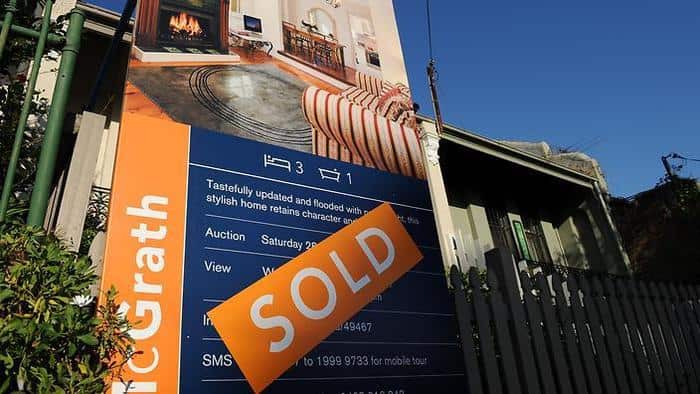
- Once the reserve is met (the minimum price at which the vendor will sell), the property is considered to be “on the market” and will go to the highest bidder. The auctioneer will yell “sold” when the auction ends.

After the auction
- If you win the auction, you’ll have to sign a contract immediately and pay the deposit (usually 10% of the purchase price) soon after. There’s no cooling-off period so you can’t go back on the deal. The balance is paid on the settlement date (around one to three months after the sale).
- If the reserve is not met and the vendor chooses not to sell at auction, the highest bidder has priority to negotiate with the vendor.
- If you don't win the auction, don't stress, it can often take many attempts to find the right home within your budget.
Useful links for more information in your area:
Auctions slow as house prices keep gaining
Real estate auctions in Victoria
Real estate auctions in Queensland
Real estate auctions in South Australia
Real estate auctions in New South Wales
Real estate auctions in Northern Territory
Real estate auctions in Western Australia
Real estate auctions in Tasmania