"Almost double the rate of hostility and violence": How ableism impacts people with disability

Disability Header.png

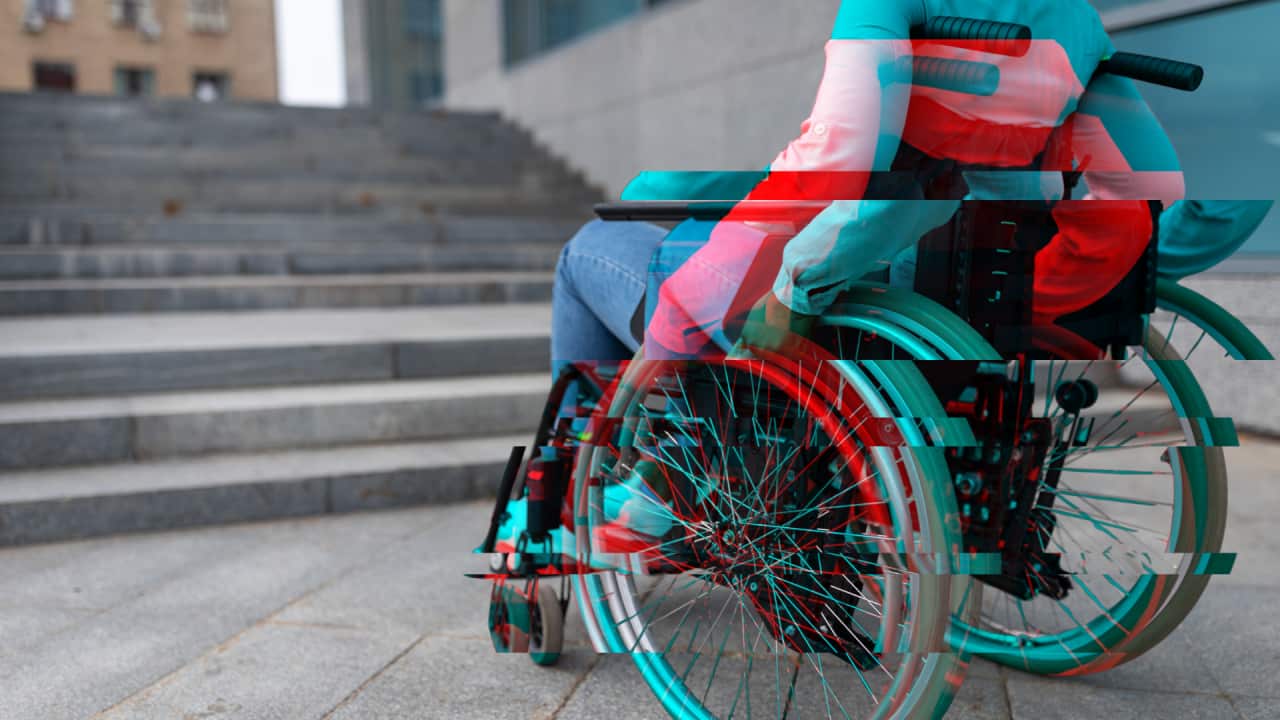
Toplumda her beş Avustralyalı'dan biri engelli olarak yaşıyor ancak maruz kaldıkları ayrımcılık her bir bireyi farklı etkiliyor. Credit: SBS

More than one in five Australians have a disability. But this large, diverse group faces disproportionate levels of discrimination and prejudice.


Megan Spindler-Smith, the CEO of People with Disability Australia, said people with a disability experience a disproportionate rate of violence, and many of their stories are not heard.

“A lot of it is under reported or poorly captured because the systems are not actually accessible for people with disability to report what they're experiencing”, they said.

On top of outright abuse, people from a migrant background with disability can face shame, stereotypes and extra challenges in accessing assistance.

This episode of Understanding Hate looks at ableism, and how we can counter hatred towards people with disabilities.

spk_0

SBS acknowledges the Traditional Owners of Country throughout Australia.

Megan Spindler Smith

Every single person is just one day away from being a person with disability.

Nic

Who do you think of when we talk about people with a disability? They’re a group that’s more diverse and common than you may imagine. In fact, more than one in five Australians have a disability. But for many of them, their experiences go unseen and unheard, including the abuse they face on a regular basis. From SBS Examines, I’m Nic Zoumboulis, and in this episode of Understanding Hate, we’re looking at ableism.

Megan Spindler Smith

Ableism is when you hold someone in a negative light because of their disability or because of the way that they are able to interact in society.

Nic

That’s Megan Spindler Smith, the CEO of People with Disability Australia.

Megan Spindler Smith

People with disability experience a disproportionate, almost double the rate of hostility and violence. And the biggest issue is a lot of it is under reported or poorly captured because the systems are not actually accessible for people with disability to report what they're experiencing.

Nic

Megan said the vilification the community faces can be overt, such as harassment or verbal abuse, something they’ve personally experienced.

Megan Spindler Smith

Because I have a physical disability on top of other disabilities, I have asked to take a seat because I can't stand on a train for a period of time and have been actively yelled at and pushed. Also can be online hate speech, just being threatened for being a person with disability. But it also can happen in more subtle ways, being mocked or excluded or treated as less than.

Nic

For people from migrant backgrounds with a disability, they're even more likely to face discrimination or be targeted in public spaces and online. Let's hear from Husna Amani, who's vision impaired.

Husna Amani

If we have a disability that is apparent, like myself, because I use a mobility aid, depending on our skin colour as well, that opens us up to more hatred, ableism, and racism.

Nic

Husna said while some forms of ableism are not overtly malicious, they still take a toll.

Husna Amani

It all adds up. It's sometimes the smaller things that can have the biggest impact. Not being able to cross a particular street or go into your place of work, that that is a barrier and it does relate more subtly to hatred, ableism and discrimination. It is hurtful. It makes me question, if people aren't going to do something as simple as this is it cause of me? I question myself.

Nic

Vanessa Papastavros is the national program manager of the Speak My Language disability program, which shares information about living well with a disability for multicultural Australians. Vanessa said some people from migrant communities have reported feeling a sense of stigma or taboo around disability.

Vanessa Papastavros

We found that people with disabilities were, even if they were aware that supports existed, were unlikely to access them because they felt like they would be bringing shame upon themselves or due to cultural taboos, because of notions about losing face.

Nic

For Husna, she said although some people assume migrant families like hers have a negative view of disability, it’s more complicated than that.

Husna Amani

I was asked by someone to explain how my culture and my religion have seen disability as a negative thing. I'm not saying that it's not something that exists, but when you do come to a new country, there is so many things you have to navigate. I know for my parents, we moved here before in language resources and translations were available. And there is a lot of other factors that you have to consider and face. It's not safe for certain people to actually disclose that they have a disability because of their visa status.

Nic

Vanessa said to combat the overall stigma, we need to shift the narrative so people with disabilities are viewed and treated as participating members of society.

Vanessa Papastavros

One of the places where we see this done incredibly well with migrant communities are places of worship or community centres that are run by migrant communities and are inclusive by the virtue that they want everyone in that community to feel welcome in a culturally safe space. So I think if we can focus on these spaces that are doing it right and doing it organically, we can find ways to duplicate that across our communities so that all multicultural groups in Australia have a place where they can feel included.

Nic

Husna wants to see more people step forward as allies to help combat ableism. That might include calling out vilification, or ensuring spaces are inclusive for people with disabilities.

Husna Amani

When we get burnt out because of our experience in navigating racism and ableism, there are people that can help keep us safe, and be proactive in making sure that things are accessible cause sometimes it is really small things.

Nic

This episode was produced and presented by Nic Zoumboulis. To find out more, visit sbs.com.au/sbsexamines

END OF TRANSCRIPT

Share