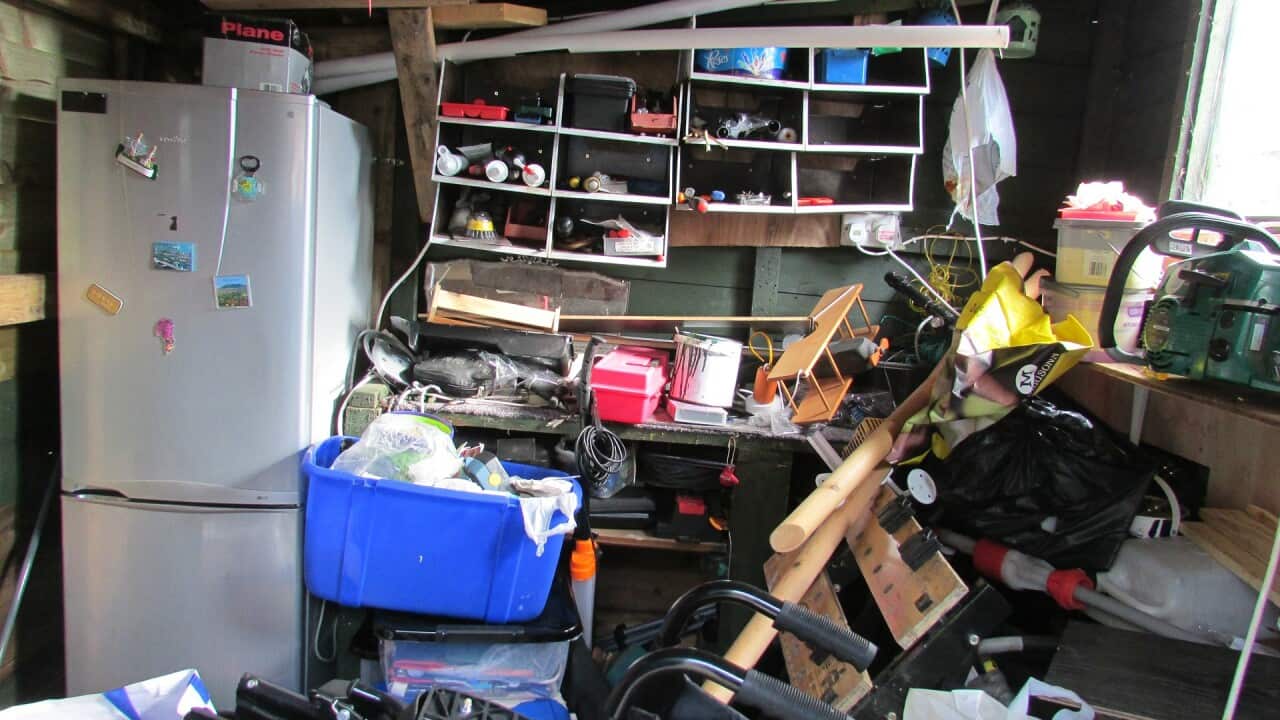
Highlights
- Clutter and disorganisation may be due to a transition in life.
- While hoarders and collectors may have the same amount of things, organisation and purpose are different.
- Hoarding will typically be due to an underlying emotional or mental issue.
"Mental load is our to-do checklist in our minds. When we live in a clean, organised space, we have the capacity to add to that list. We have more room to process information," psychologist Donn Tantengco shares.
"But, if we're surrounded by mess, we get overwhelmed. There's less room to think clearly."
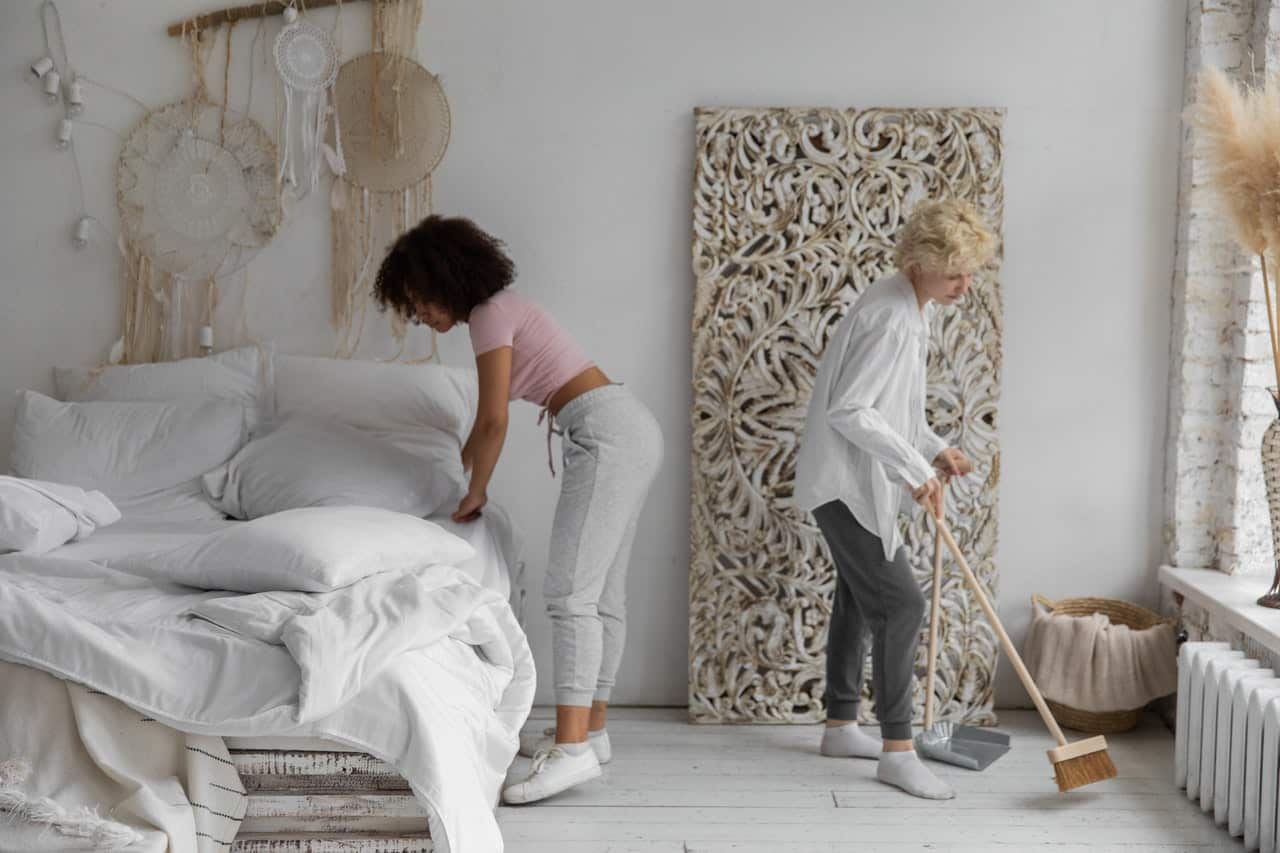
Metaphorical and physical rooms are affected by clutter and mess. Donn delves into why disorganisation can be normal; but how severe cases can evolve into a disorder and symptom of a bigger underlying issue.
Clutter and the junk drawer
"By definition, clutter has no theme. It's not categorised. It will usually occupy a certain thing that has a different purpose - like a table, chair or hallway," Donn says.
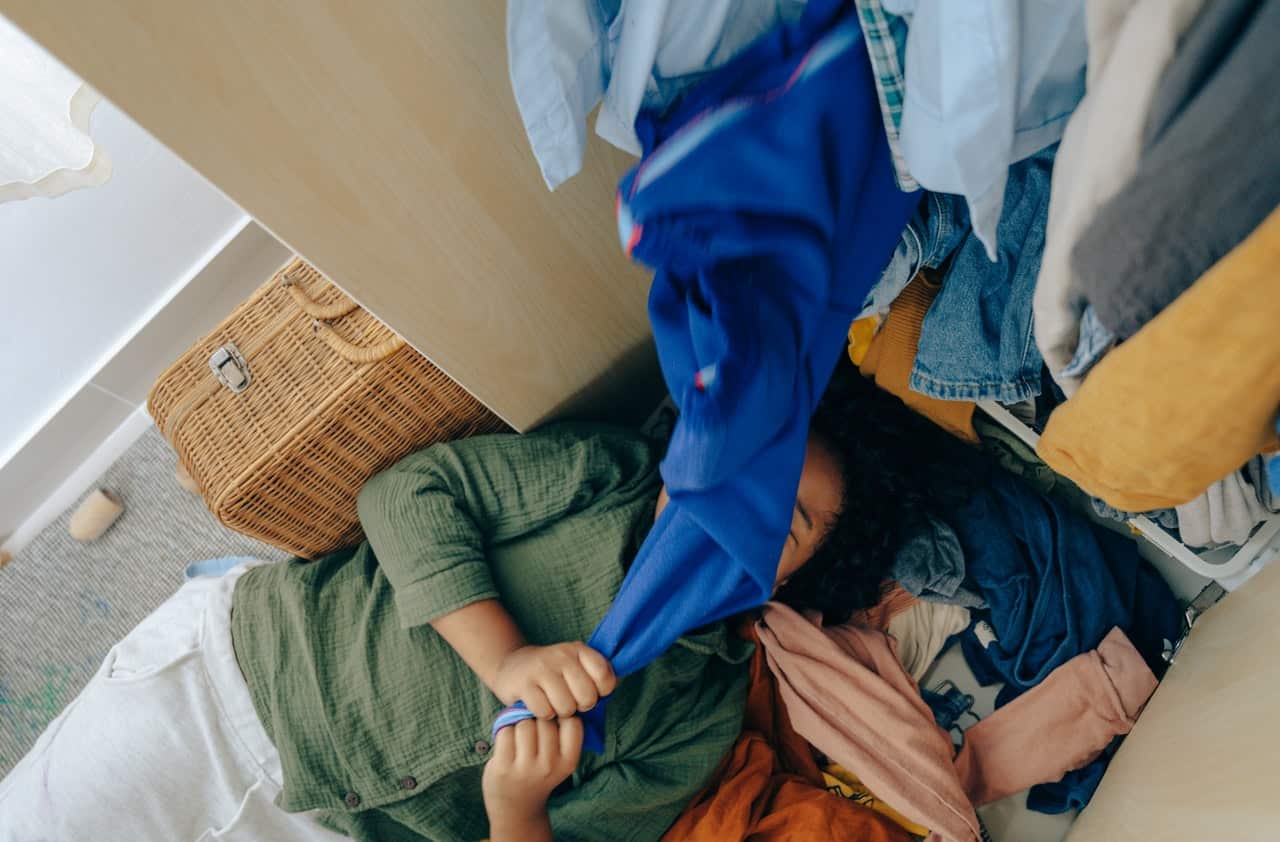
Although clutter can be an eyesore, Donn shares that it's normal especially if someone is really busy or going through a transition, such as becoming a new parent.
"Clutter is normal as long as it doesn't disrupt daily living.
"Disorganisation can be a reflection of your state of mind, but I wouldn't take that as gospel.
"A junk drawer could just be there because it's a convenient place to put something you don't use everyday. However, if you can't find a chair to sit on anymore or, if your junk drawer becomes two, three or even a whole room, there could be something else going on."
Collecting versus hoarding
That something could be a hoarding disorder.
"Remember that there's a difference between clutter, collecting and hoarding.
With clutter, you're able to go back to the mess and organise. Collecting has a theme and possessions are taken cared of. A collector and a hoarder may have the same amount of stuff, but the purpose and organisation are different."
On the other hand, Donn shares that hoarding is an accumulation of unneccessary items with the perception that one still needs them. However, these possessions are never used.
"Over time, one newspaper or empty container becomes a thousand. The space becomes hazardous. Your condition becomes a disorder. When you're told to let those things go, you have a negative emotional and physical reaction to it."
Because of the intense reaction, hoarders are unable to clean and organise on their own.
Donn shares, "According to the diagnostic manual, the disorder requires the intervention of a third-party. If ever you clear the mess, it is because someone else did it for you.
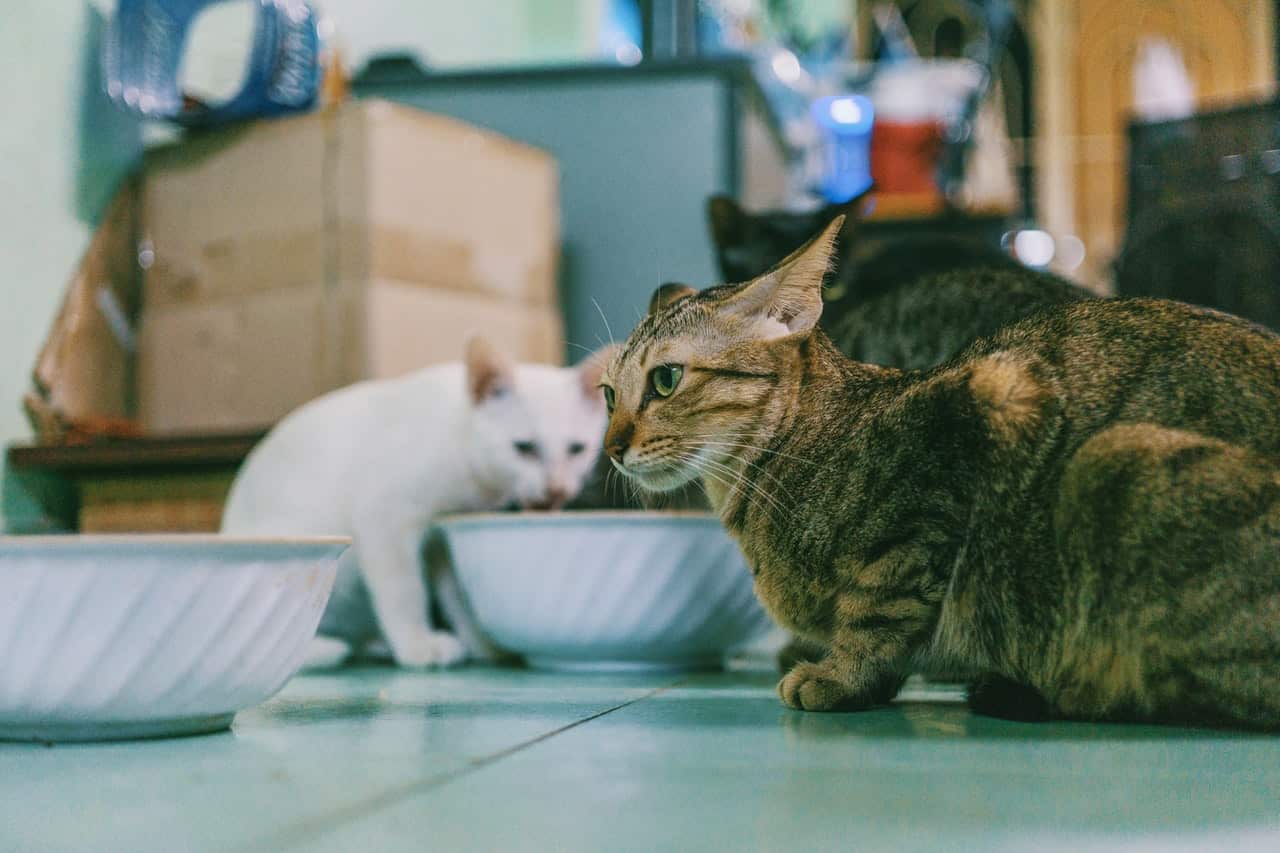
"Hoarding isn't just with inanimate objects. It can also be with animals.
"I can collect cats, for example, and take good care of them. However, a hoarder will have seven cats who he will just let be. The cats defecate everywhere. They have fleas and are malnourished. They have significance to the hoarder, but he won't be capable of taking care of them."
Predisposition and issues
This incapacity can manifest in indecisive, perfectionist or avoidant individuals.
"The genuine hoarding disorder tends to run in families. If you grew up with it, you might develop it as well.
"Hoarding usually develops in early childhood - from the age of around 11 years old. If it's not addressed, it can become severe."
While hoarding can be prevalent in some families, Donn says that hoarding rarely stands by itself. Typically, there will be underlying issues that have brought the disorder to light.
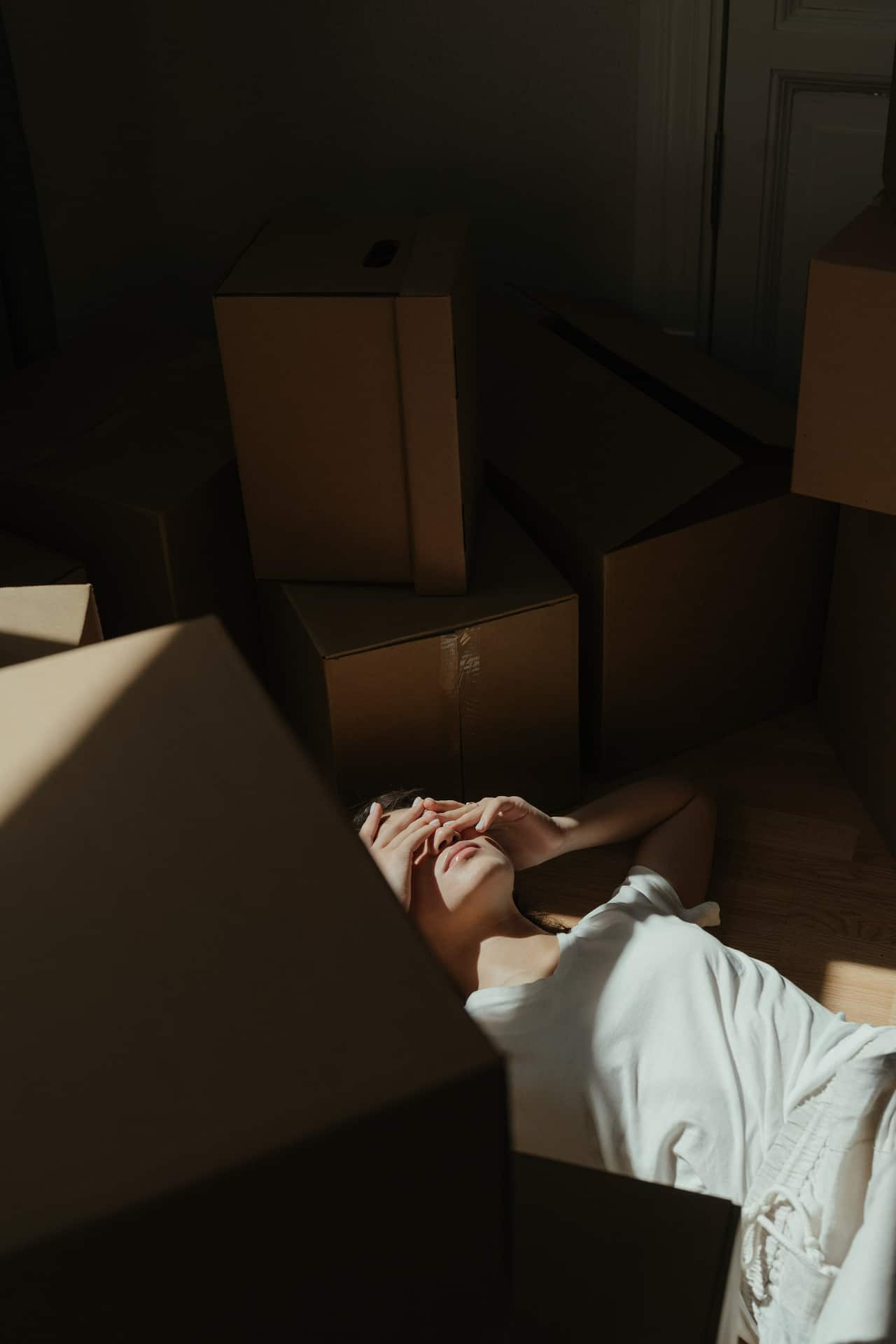
"I once treated an older lady who lived in an old house. She had maybe 3 square-metres to herself between the dining and the kitchen. The rest of the house was filled with things. The house was full of cobwebs and dust and, she had about 10 cats. The cats were neglected and had free reign of the house.
"To treat her hoarding, we had to look at the underlying issues she had. I found out she was depressed. She was grieving the loss of her husband. Although he had died a few years back, she still hadn't processed it."
Her underlying depression became a barrier to a healthy life.

"The things around her house were all significant and related to her husband. Letting go of those things made her feel like it meant she was letting him go. She felt it was a betrayal. Throwing out her things meant she was throwing out that chapter in her life.
"We first had to acknowledge her grief, to find a way to honour her husband and take care of her at the same time. If we didn't resolve her issues, no matter how much we cleaned, the house will just be messy again."
A safe space
The mess not only affects hoarders, but those who care about them.
"Hoarding can put a strain in relationships. Hoarders may be embarrassed of their homes and their families and friends may be annoyed by how they live.
"When it comes to the Filipino culture, sometimes we're not socialised to listen or understand. We always have a ready answer and it's usually toxic positivity. We say, 'It's ok. Stay strong. Move on.'"
It's this toxic positivity that hoarders don't need.

"What they need is a supportive family that will provide a safe space for them to share their concerns and worries. Allow them to share their story. It's the best thing you can do for them.
"From there, when the person feels your concern and understanding, you can seek professional help together."
ALSO READ / LISTEN TO



