

As artificial intelligence continues to make its way through, most people are still having second thoughts about the function of this technology.
Key Points
- For some, artificial intelligence or AI tools could end repetitive manual tasks and make workers more productive.
- A Filipina social media manager based in Sydney believes that using AI has its pros and cons.
- Education Ministers in Australia have agreed to create National Artificial Intelligence Taskforce to develop a structure for using AI in schools.
Can artificial intelligence programs replace the abilities of a human being?
A discussion that still trigger debates whilst professionals and students continue to reap benefits from the technology.
The pros and cons of AI
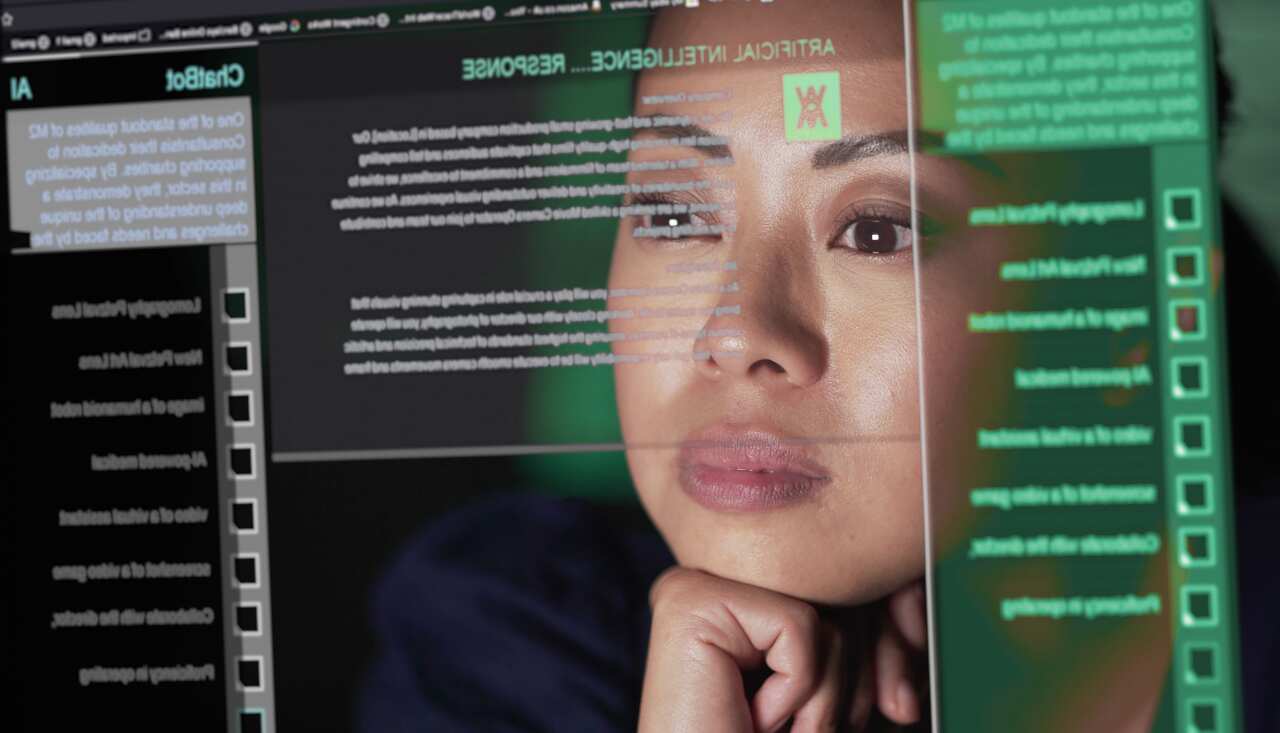
Anne Louise Hizon, a Filipina social media manager based in Sydney, uses AI as a tool to help automate her tasks with various clients.
"I'm a newbie in using AI, more or less three to four months, and I can say that it really helps me with my work as a social media manager," Hizon said.
She admitted that this technology assists her in creating content or copies, scheduling of posts, generating new ideas, and other feasible digital works.

In contrast, Hizon considers the skills and talents of human being as irreplaceable. People should know their boundaries in using AI as everything should be in moderation, she added.
"I would like to remind everyone to use AI responsibly. It (AI) may help us with our jobs, but we (human beings) are still capable of doing more."
AI in AU
Education Ministers in Australia agreed in March to establish a National Artificial Intelligence Taskforce to develop a draft framework for using AI in schools.
This structure aims to let schools, teachers, and students benefit from AI, but also to keep them safe from any issues.
Judy Kay, a Professor of Computer Science, A-I is here to stay, and it may not necessarily be a bad thing.
"We've got to embrace it. We've got to learn how to help our students use it really well. It's an incredible creativity tool, incredible opportunity to play with ideas and think about ideas to have a partner in your learning. So I think that the picture we have to look at is all the positives we can turn it into and at the same time look at doing solid assessment that measures what students actually do know and can demonstrate."