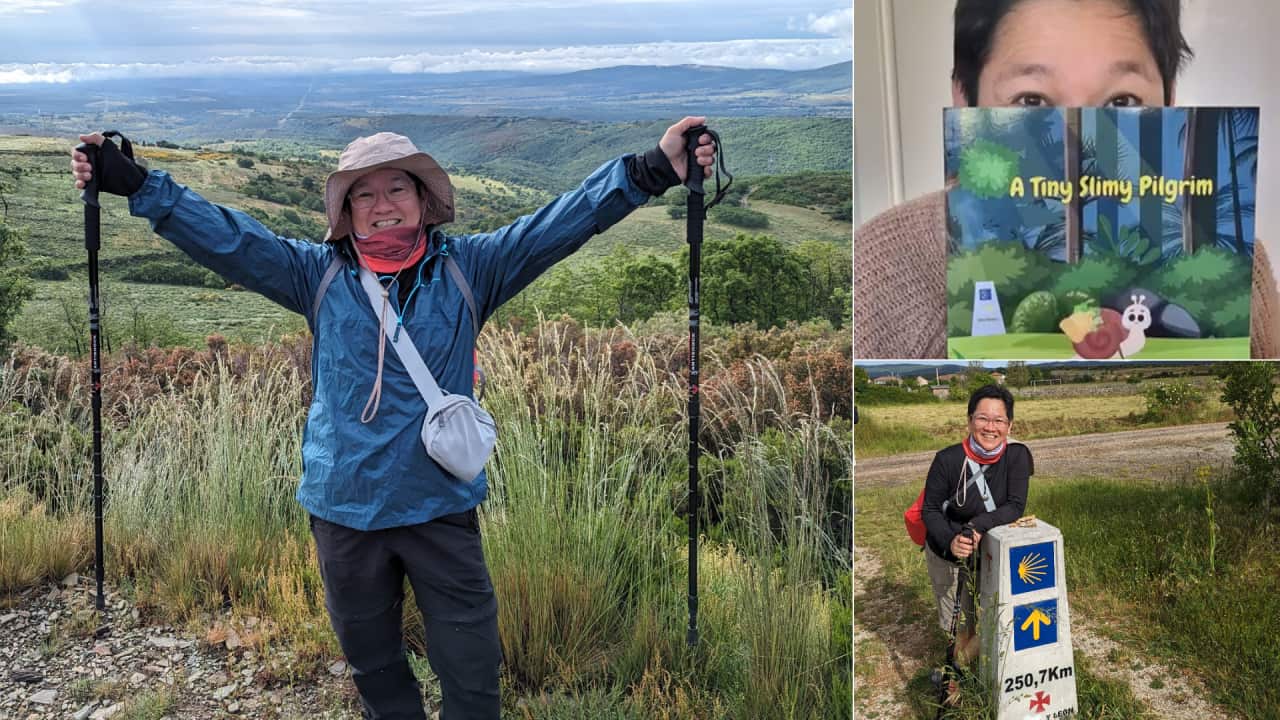


With Tricia Pestaño's help, Analyn has been able to carry on the tradition of weaving the Malong Inaul. More than just a business, their partnership brings life and hope to families in their community.
Key Points
- Tricia Paula Pestaño comes from a family of engineers in the Philippines. She moved to Australia in 2012, where she taught and later earned a scholarship for a Master’s in International Business at the University of Sydney. Her journey into entrepreneurship led her to establish Halina, a not-for-profit online shop.
- Analyn Sultan continues her family’s centuries-old tradition of weaving the Malong Inaul in Sultan Kudarat, Maguindanao.
- While Tricia initially focused on products from Mindanao—such as Maranao beaded necklaces—she has since expanded her offerings to include items from Luzon, like Inabel blankets and handcrafted jewelry made from carabao horn. Her growing clientele now includes customers from Australia, the U.S., and London.
In 2012, chemical engineer Tricia Pestaño arrived in Australia.
A graduate of the University of the Philippines, she worked for major companies in the Philippines before moving to Sydney and later settling in Queensland.
Coming from a family of engineers, Tricia developed a passion for business after moving to Australia. This journey led her to earn a Master’s in International Business from the University of Sydney, paving the way for her entrepreneurial ventures.
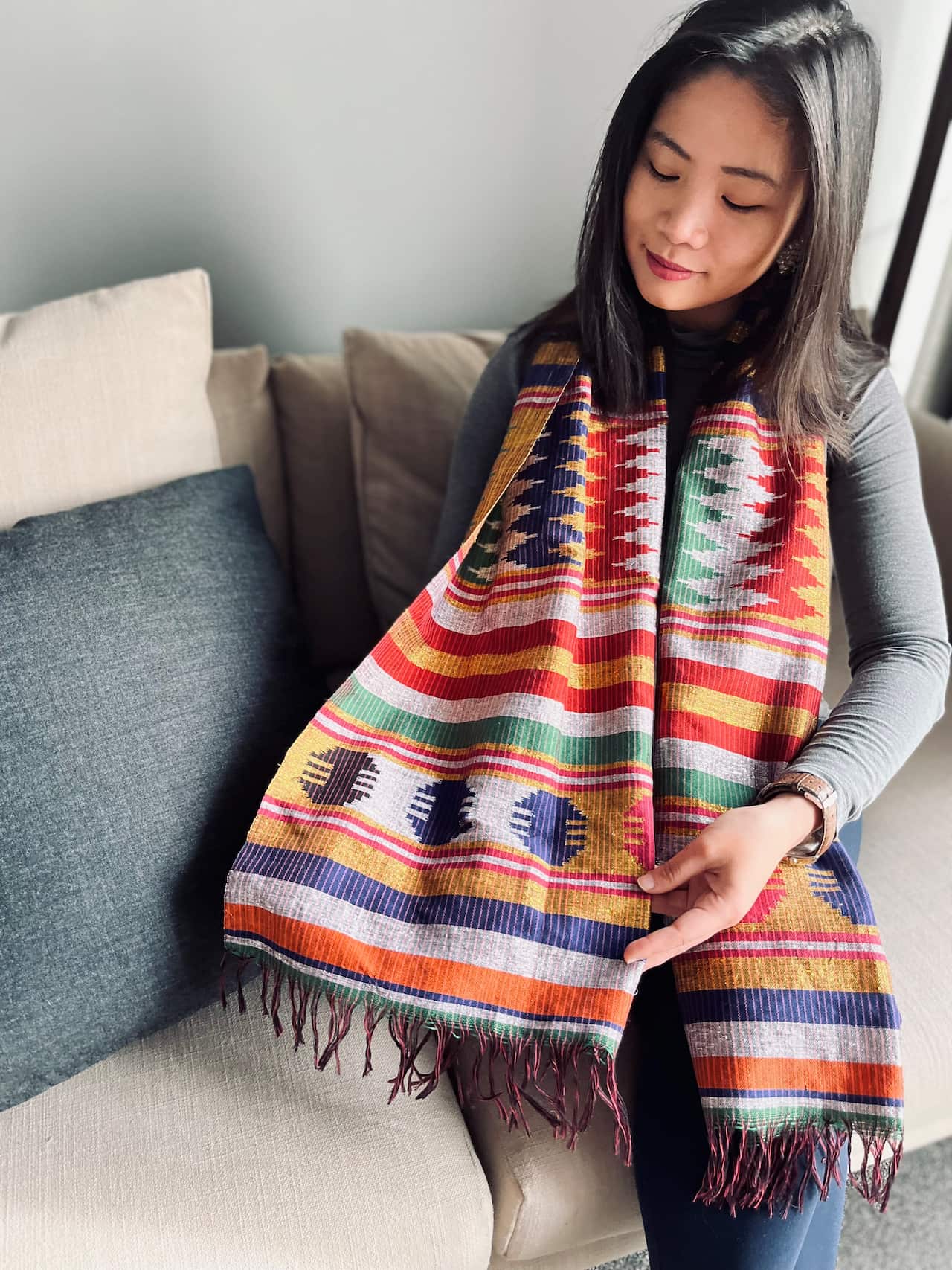
"Growing up, I was always in love with artistry... I have a good eye for things—they don’t have to be expensive. And in the Philippines, there are so many beautiful things, all skillfully made.
I started thinking, how can I extend that experience of appreciating these things? That’s how I came up with an online shop," Tricia shared.
One of the products she proudly showcases is the handcrafted woven pieces made by Filipino artisans.
"Weaving is where you truly see the skill and talent of indigenous tribes through their creations. Eventually, I started following social media and found the source," Tricia shared.
A major breakthrough for her not-for-profit online shop came when a set designer from a popular American TV series noticed her products.
"Someone placed a bulk order—it was quite a sizeable amount—and I later found out it was for NCIS: Hawaii."
For Tricia, this venture is not just about helping fellow Filipinos; it’s also her way of showcasing Filipino craftsmanship and staying connected to her roots.
"The money I earn goes straight back into buying new products and adding them to the shop. In a way, I feel like I’m helping stimulate their economy and providing them with a source of income.
I hope this doesn’t stop here. Maybe in the future, I can touch their lives even more."
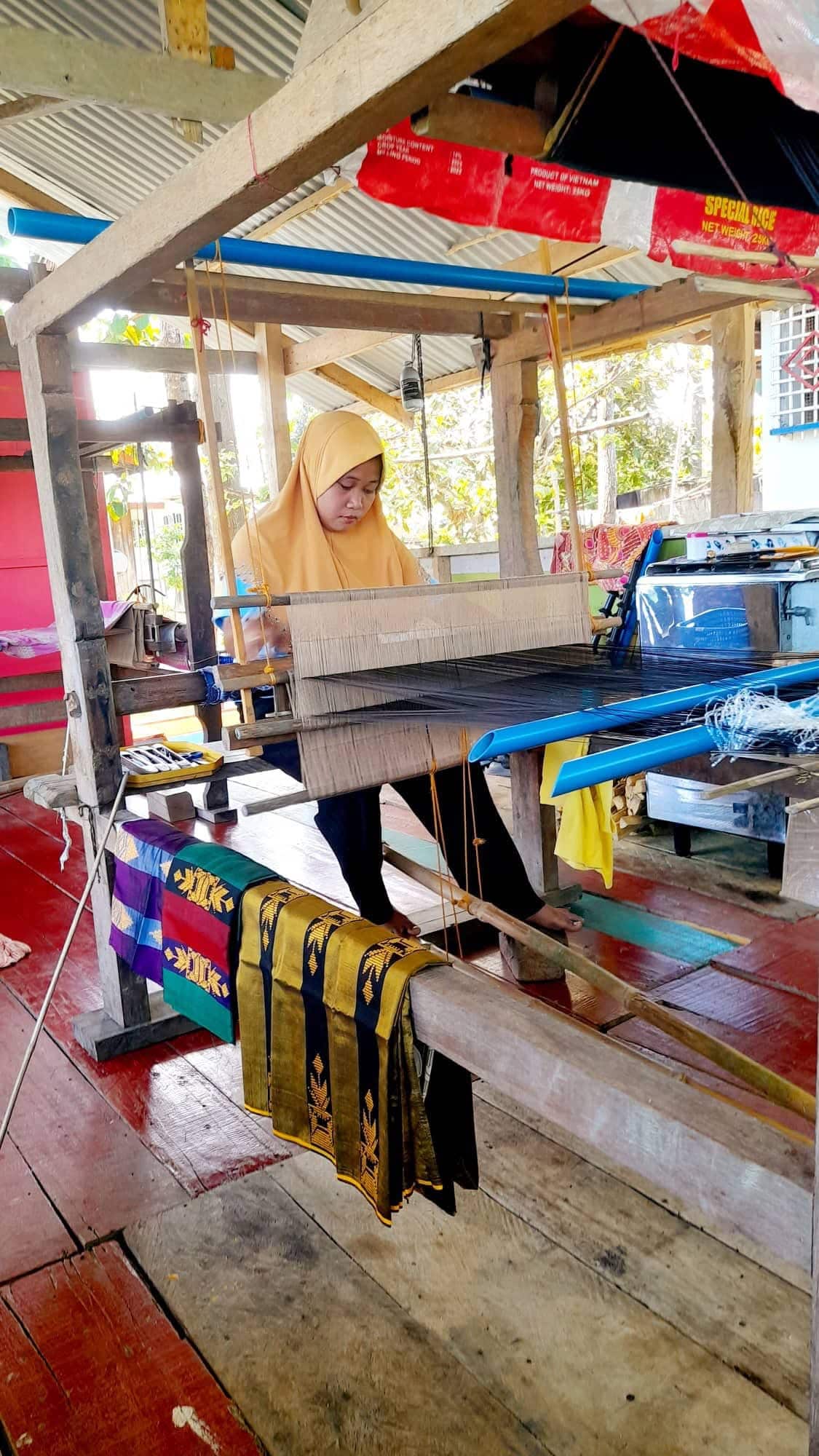
Analyn Sultan was only ten years old when she learned to weave the Malong Inaul, guided by her mother in Katidtuan, Sultan Kudarat, Maguindanao.
Together with her entire family, they continue to preserve and expand their cultural heritage and craftsmanship. Each Malong Inaul, though seemingly simple, takes four days to complete—woven with skill, tradition, and dedication.
Using the pagablan or kabablan, the Malong Inaul is meticulously handwoven and designed with various types of thread.
"You have to be in the right mood when weaving to avoid mistakes. We start the day at 8:00 AM and finish by 5:00 PM, with only short breaks for meals and bathroom needs.
We work fast because we need to complete orders. We worry that tomorrow there might not be any, and without orders, we have no income for food or to buy more thread," Analyn shared.
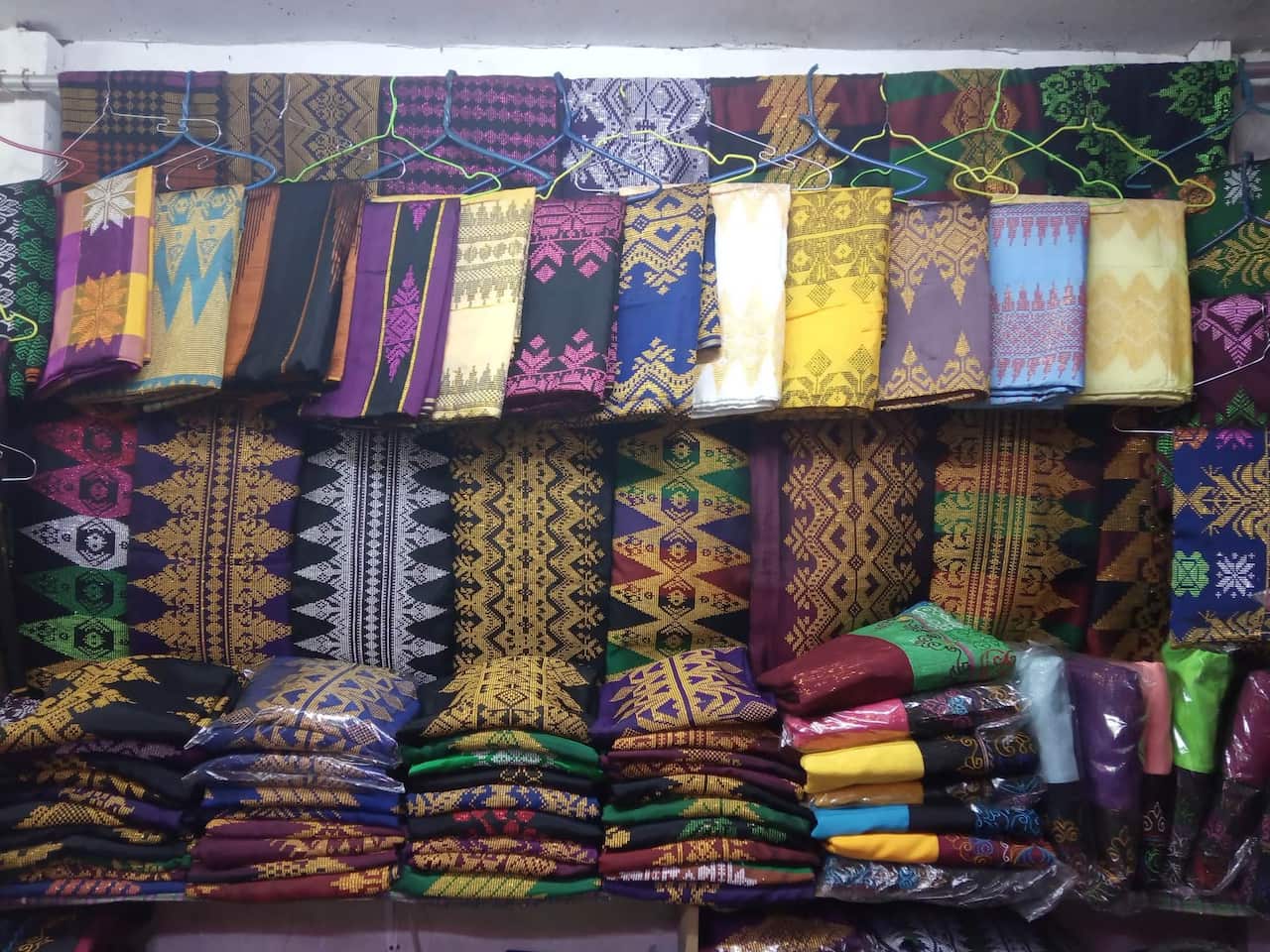
Her family acknowledges that selling their products in the market is challenging, especially with growing competition. However, having orders—like those from Tricia’s online shop—gives them an advantage.
"We’re beyond happy that our products are reaching other countries. We hope people continue to support and appreciate our craftsmanship."