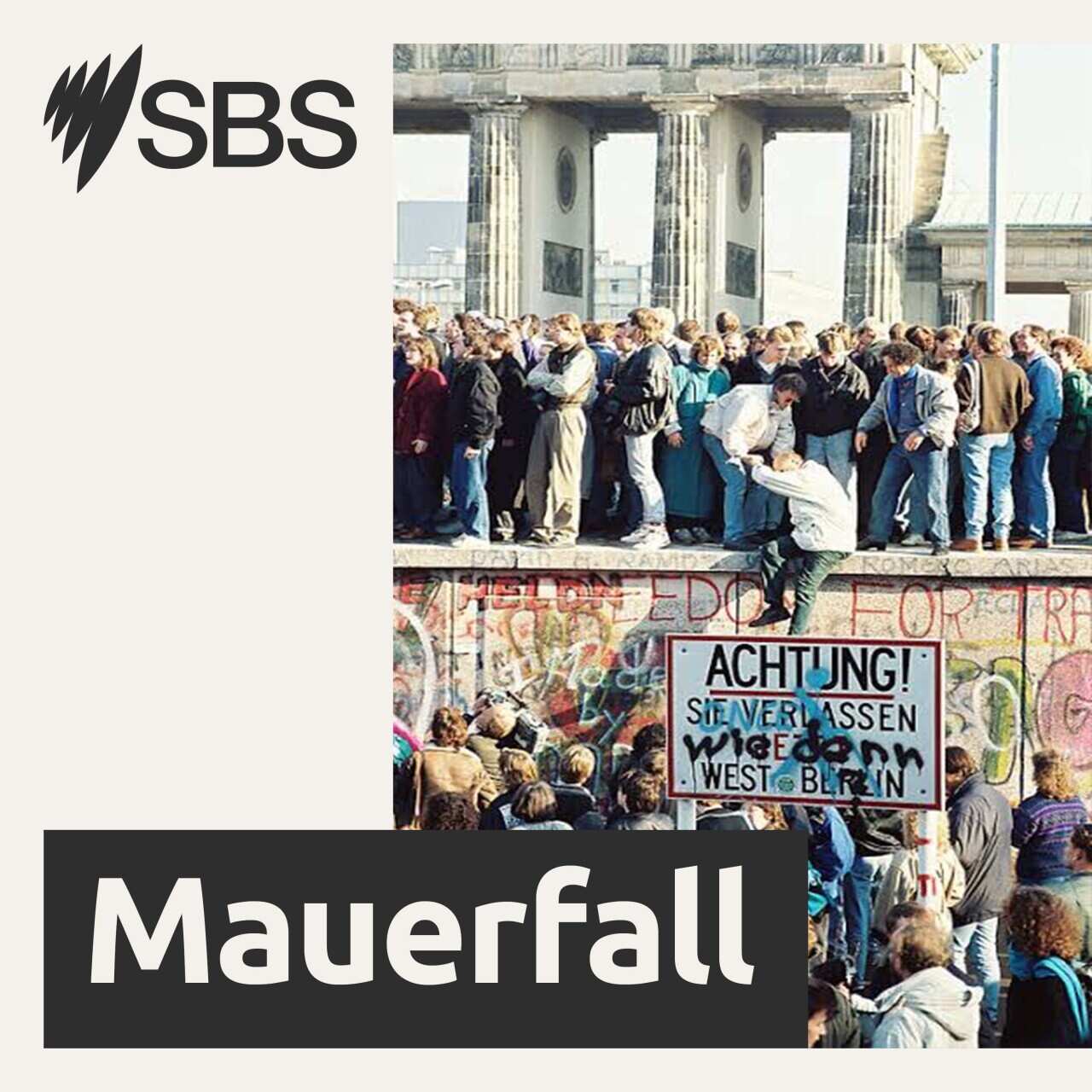
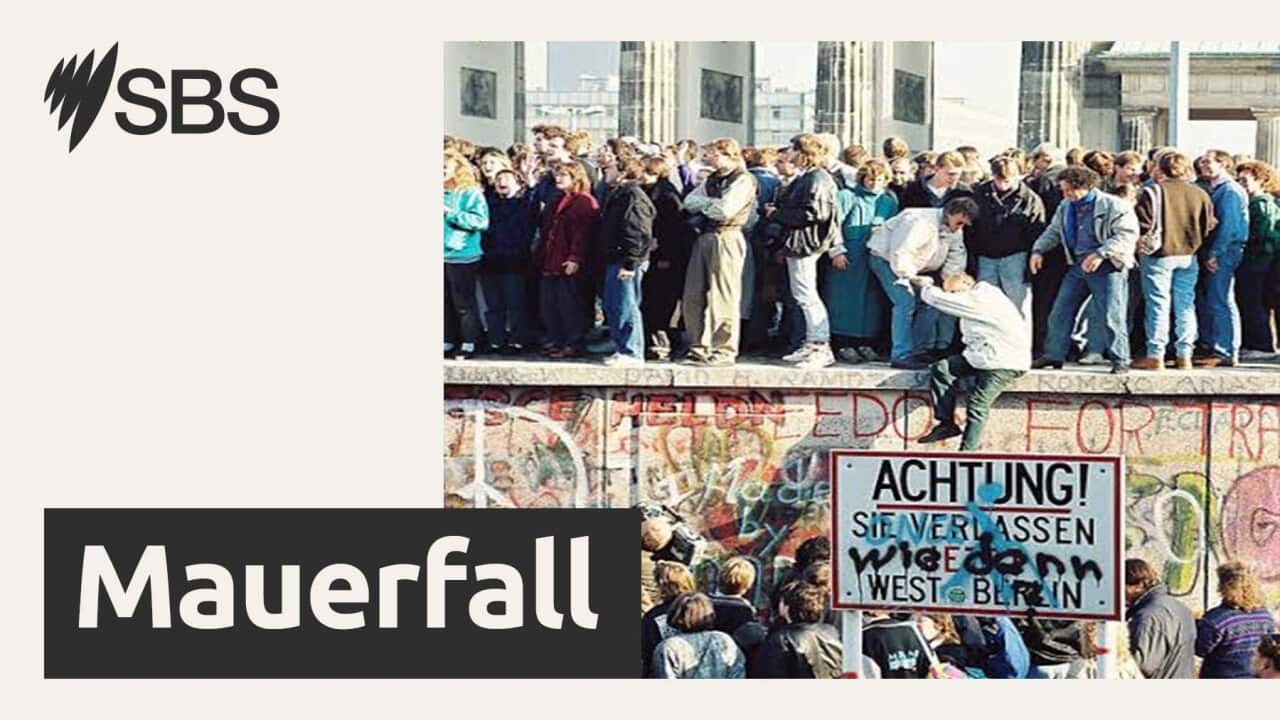

On November 10, 1989, former German Chancellor Willy Brandt declared, “Now what belongs together will grow together,” igniting hope for a reunified Germany. Just eleven months later, Germany achieved what had seemed impossible: reunification. But the path was anything but smooth. This episode unpacks the political challenges, economic hurdles, and social transformations that followed the fall of the Berlin Wall.
On November 10, 1989, a day after the fall of the Berlin Wall and following a night of celebrations, former German Chancellor Willy Brandt declared, “Now what belongs together will grow together.” While these words captured the hope and optimism for a unified Germany, at that moment, the prospect of reunification still seemed distant.
What followed was unprecedented—driven by immense political pressure from within, just eleven months later, two nations divided by decades of differing political systems, economies, and cultural identities merged into one.
For East Germans, the transition to a capitalist economy meant the dismantling of state-owned industries, mass unemployment, and the erosion of familiar social structures.
I think the best was done in the circumstances. I think it wasn’t perfect, but it was the least bad option they chose.Alistair Birch
The controversial currency union added further strain, as the decision to set a 1-to-1 exchange rate between the Ostmark and Deutschmark was based on political symbolism rather than economic realities.
While politically unifying, this decision had severe consequences for East German businesses, which struggled to compete against Western counterparts.
Meanwhile, over the years, the enormous challenges of transition made Chancellor Helmut Kohl's initial promise of “blühende Landschaften” (blooming landscapes) feel increasingly out of reach.
Through the voices of historians, former GDR citizens, and those directly involved in the transition, this episode unpacks the economic and social upheaval of reunification.
From the controversial role of the Treuhand agency to the psychological scars of the Stasi files, we explore how the transformation reshaped lives. For some, it brought opportunities and new freedoms; for others, it brought loss, disillusionment, and the groundwork for challenges that Germany continues to grapple with today.
You can find episode one of the series here:
Credits:
Executive Producer: Benjamin Kanthak
Sound Design und Mix: Max Gosford
SBS Audio: Joel Supple, Max Gosford, Maram Ismail
Interviews: Hanno Hochmuth (Leibniz-Zentrum für Zeithistorische Forschung Potsdam), Alistair Birch, Alexandra Falk, Beate Olbrich, Ilona Prindable & Günter Wetzel
Follow Mauerfall on the SBS Audio app or wherever you get your podcasts.



