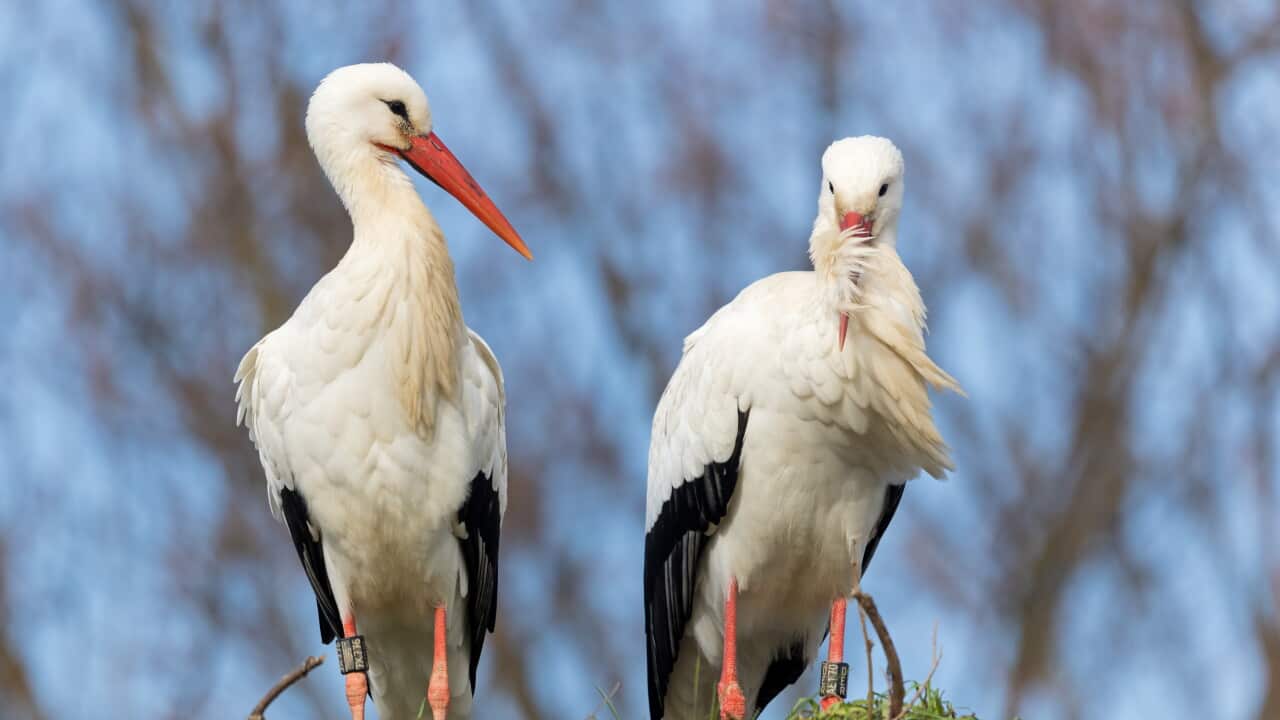

Live webcams bring wild animals directly into the living room: They create a new closeness to nature, inspire millions of people and at the same time help research — for example with the popular transmission of a stork nest in Bad Salzungen. Press spokesperson Silvia Teich from NABU explains why such projects are more than just public success and what potential they can have for nature conservation.
Animal welfare concerns many people. But the connection to wild animals often remains abstract — after all, most of us don't experience them directly in their natural habitat. One idea that can change that is live webcams: They show animals in the wild around the clock and make their living environment accessible to everyone. Such cameras have not only proved to be crowd-pullers, but also provide valuable insights for research.
In Germany, the Nature Conservation Association NABU has been using this concept for years. For example, the live broadcast of a stork nest in the Thuringian town of Bad Salzungen is particularly popular. The pictures inspire thousands of viewers and create a direct connection to nature. Perhaps a model that could inspire even more people in Australia to protect nature.

Silvia Teich has worked as a press spokesperson at NABU for nine years, is a trained journalist and has worked on environmental and nature conservation issues for many years.
Discover more stories, interviews, and news from SBS German in our podcast collection.