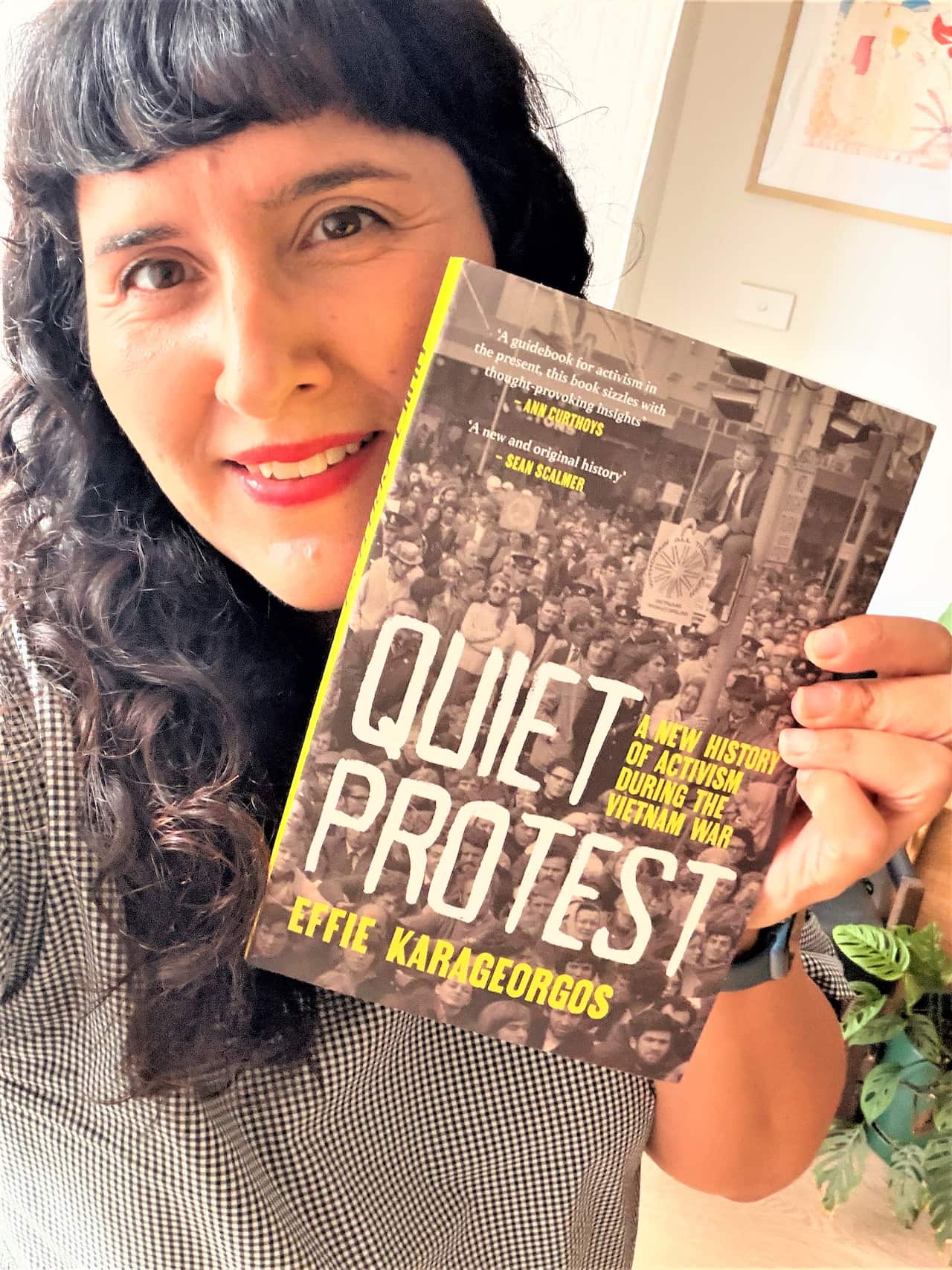

A new book by historian Dr Effie Karageorgos, "Quiet Protest: A New History of Activism During the Vietnam War", uncovers a hidden side of the movement, the letter-writing, legal aid, fundraising and everyday conversations that powered dissent away from the cameras
But a new book by historian Dr Effie Karageorgos, "Quiet Protest: A New History of Activism During the Vietnam War", uncovers a hidden side of the movement: the letter-writing, legal aid, fundraising and everyday conversations that powered dissent away from the cameras.
"When we look at the news, and they say there were 50,000 at a protest, behind that there are maybe ten times as many supporting and doing things to help that protest form," the Senior Lecturer in History at the University of Newcastle told SBS Greek.
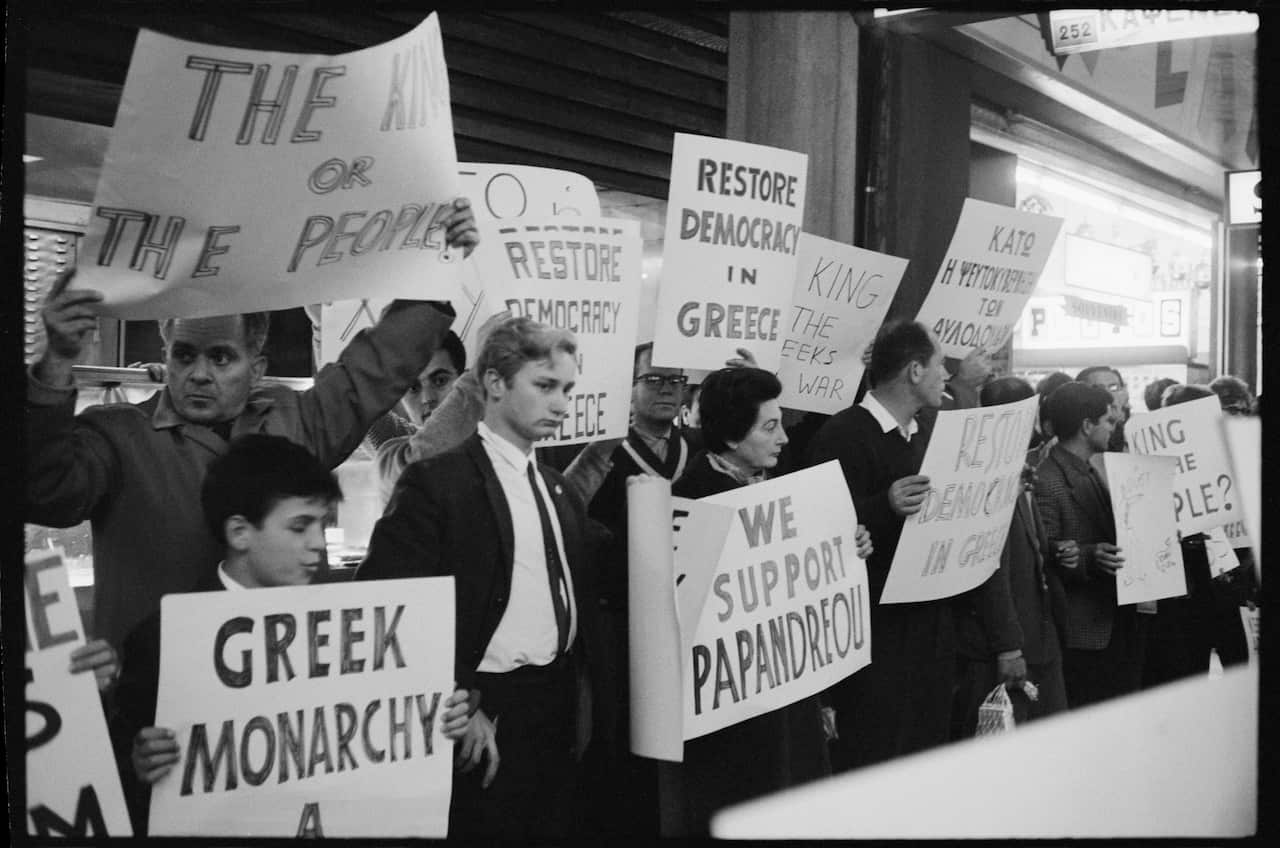
Greek migrants sit at the heart of this hidden history.
Researching in the State Library of NSW as the 2023 David Scott Mitchell Fellow, Karageorgos kept finding anti-war leaflets and posters stamped "Printed by Hellenic Herald", the Greek-language newspaper whose Paddington premises, through seaman, unionist and anarchist Nestor Grivas, became a hub for radical organising.
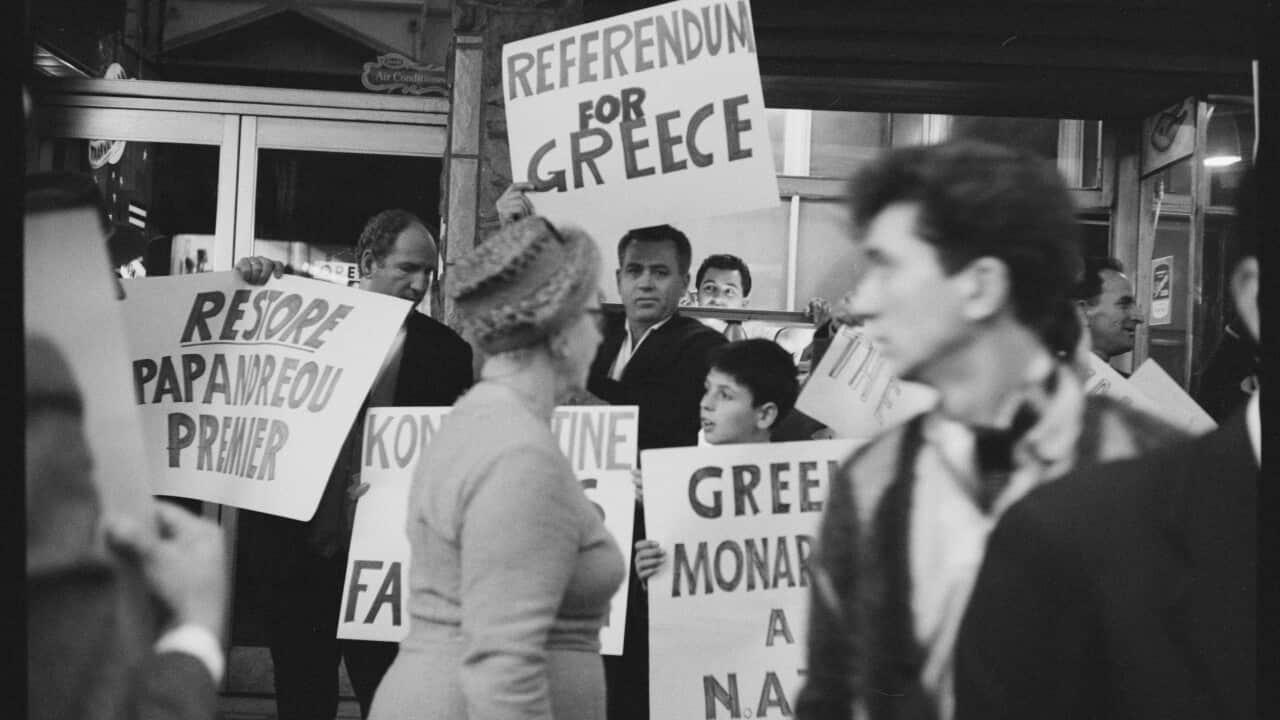
Greek Australians, many of them post-Civil War migrants like Dr Karageorgos's own pappou, campaigned simultaneously against the war and the military dictatorship in Greece, forming bodies such as the NSW Greek Migrant Committee Against Conscription when authorities floated conscripting migrants into the war effort.
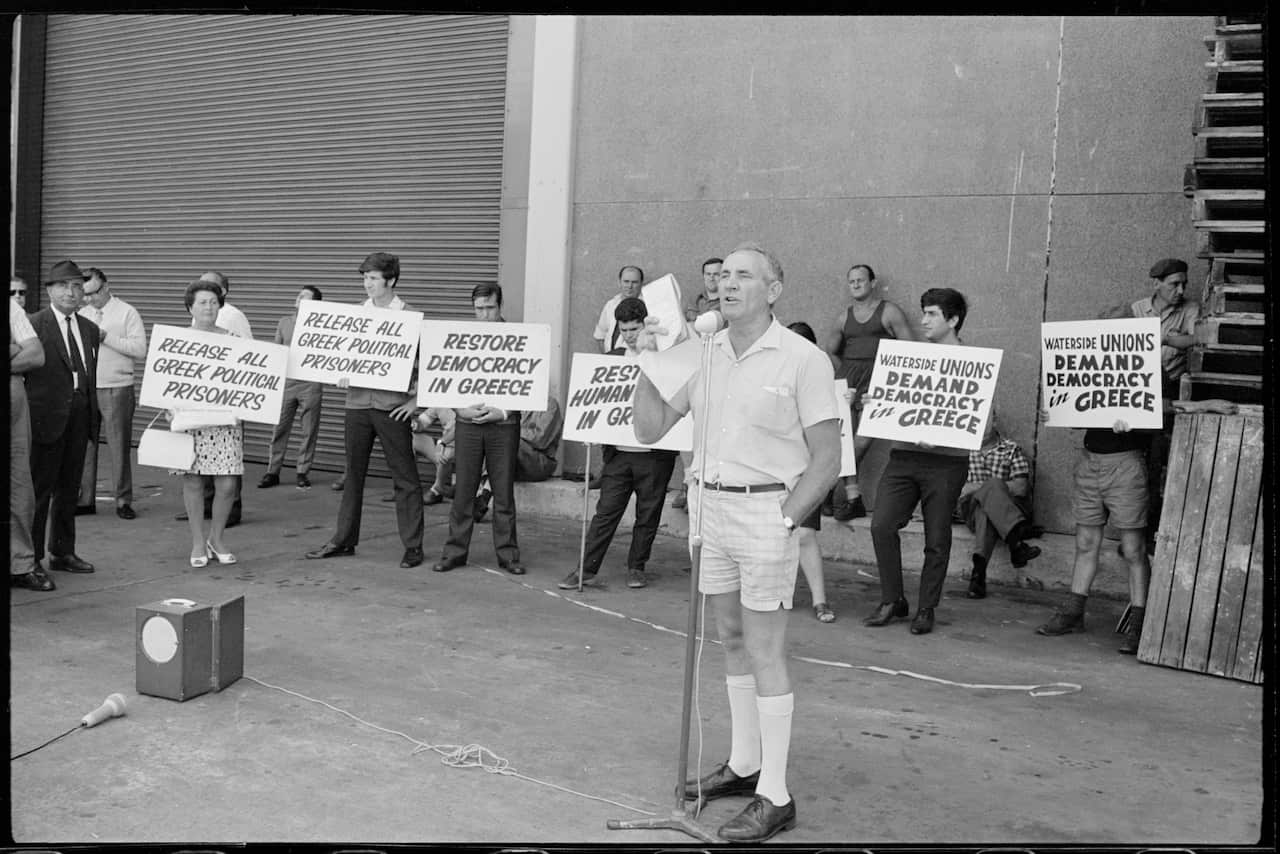
Dr Karageorgos sees direct parallels with today, from the record 300,000-strong March for Palestine across the Sydney Harbour Bridge to the sharing of causes on social media, which she argues is genuine political participation, not "slacktivism".
Dr Effie Karageorgos' "Quiet Protest: A New History of Activism During the Vietnam War" is available at all major bookstores and through UNSW Press.