ליום ANZAC: הסיפור שרוב האנשים לא יודעים - שירותם הצבאי של בני האומות הראשונות

First Nations Anzac

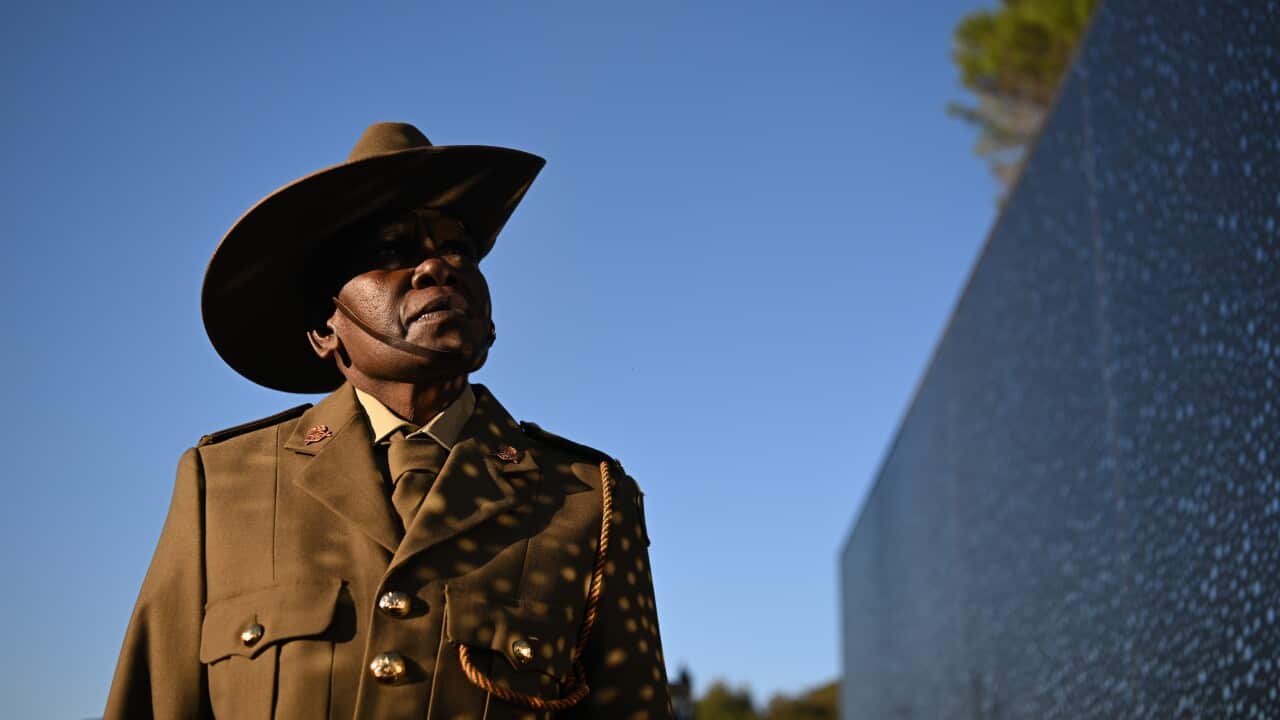
אנדרטת המלחמה האוסטרלית למען ארצנו מכירה בשירותם הצבאי של האבוריג'ינאלים ואיי מיצרי טורס. Credit: Tracey Nearmy/Getty Images

בכל שנה מתאספים האוסטרלים ביום ANZAC כדי לזכור את אלה ששירתו במלחמות, סכסוכים ומשימות שמירת השלום (Peacekeeping). את הסיפורים של מי אנחנו זוכרים? האם יש סיפורים שאנחנו לא תמיד שומעים? בפרק זה אנו חוקרים חלק חשוב מההיסטוריה של אוסטרליה שלעתים קרובות התעלמנו ממנו - שירותם של בני העמים האבוריג'ינאלים ואיי מיצר טורס.


נקודות מפתח
  • ארגון אנדרטת המלחמה האוסטרלי מעריך כי 1200 גברים אבוריג'ינאלים ניסו להתגייס במלחמת העולם הראשונה, ו-6,500 במלחמת העולם השנייה.
  • אבוריג'יניאלים התמודדו עם הגבלות רבות כשניסו להתגייס לכוחות הצבא.
  • רבים עשו מאמצים יוצאי דופן כדי להתגייס, כולל הסתרת מוצאם.
  • עם שובם, אפליה וחוקים מגבילים עדיין היו חלק מחיי היומיום של ותיקי המלחמה אבוריג'יניאלים.

רבים מהאבוריג'ינאלים ובני האיים של מיצר טורס שירתו בכוחות המזוינים של אוסטרליה, כולל במהלך מלחמת העולם הראשונה והשנייה, לעתים קרובות לצד אוסטרלים שאינם ילידים - גם כאשר נאסר עליהם להתגייס רשמית.

כיום, יש מאמץ הולך וגובר להבטיח שסיפוריהם יוכרו ויזכרו.

איש נגונוואל/גומרוי (Ngunnawal/Gomeroi man) מייקל בל הוא חלק מהמאמץ הזה. כקצין קישור ילידי באנדרטת המלחמה האוסטרלית, הוא עוזר לזהות ולהכיר את השירות וההקרבה של עמי האבוריג'ינאלים ובני האיים של מיצר טורס - הן אלה ששירתו במדים והן אלה שתמכו במאמצי המלחמה על אדמת הבית.

באמצעות עבודתו מתחילה לצוץ תמונה ברורה יותר.

כמה אנשים אבוריג'יניאלים ואלו מאיי מיצר טורס שירתו במלחמת העולם הראשונה ובמלחמת העולם השנייה?

"כרגע אנחנו יודעים על קצת יותר מ -1,200 גברים אבוריג'ינאלים שהתגייסו או ניסו להתגייס למלחמת העולם הראשונה, ואנחנו מעריכים שמדובר בכ -6,500 איש במלחמת העולם השנייה", אומר בל.
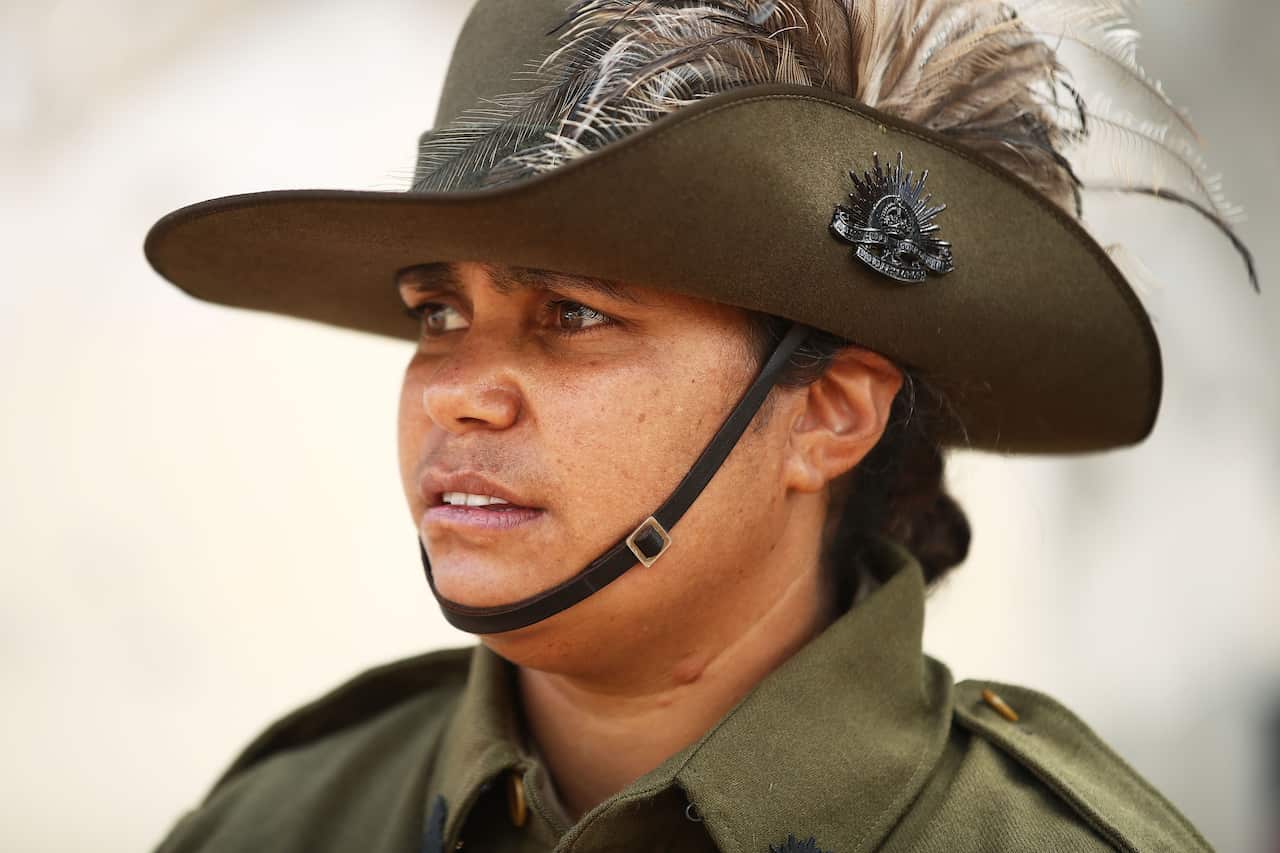
Indigenous Australians Honoured On Anzac Day At Coloured Diggers March
הבנת יום ANZAC פירושה הכרה בתרומות ובאתגרים העומדים בפני אבוריג'ינאלים ובני האיים של מיצר טורס. Credit: Brendon Thorne/Getty Images

מספרים אלה ממשיכים לגדול ככל שנחשפים רשומות נוספות.

ארגון אנדרטת המלחמה בדק סטטיסטית את מספר הגיוסים באוכלוסיות ידועות של אבוריג'ינאלים.

למרות מכשולים רבים, המספרים משמעותיים.

שיעורי הגיוס זהים לאחיהם ואחיותיהם שאינם ילידים.
מייקל בל

אם אילו מכשולים התמודדו בני האומות הראשונות האוסטרלים כשניסו להתגייס לצבא?

האבוריג'ינאלים התמודדו עם מגבלות כשניסו להתגייס לכוחות המזוינים. הגבלות אלה היו קיימות במספר רמות.

הם התמודדו עם מגבלות על תנועתם ברחבי הארץ.

הם לא הוכרו כאזרחים אוסטרלים מלאים, ובמקרים מסוימים אפילו לא הוכרו כאנשים על פי החוק.

ומדיניות ונהלים של הצבא לא כללו לעתים קרובות את אלה ללא מורשת אירופית.

יחד, אלה יצרו מכשולים גדולים למי שרצה לשרת.

אפילו עם מגבלות אלה, אנשים רבים התאמצו להתגייס. אדם אחד כזה הלך מקווינסלנד כל הדרך לאלברי, מסביר מר בל.

"הוא ניסה להתגייס חמש פעמים בדרכו, ובסופו של דבר גוייס, אך למרבה הצער לא זכה לשרת כי הוא נפטר על הספינה ממחלה בדרך לשדה הקרב. אז זו המסירות והמאמצים להתגייס מחדש של הגברים שלנו, כאלה שנדחו בשל היותם אבוריג'ינאלים, אבל חזרו וניסו שוב.

סיפורים כאלה ממחישים נחישות, חוסן ורצון עז לשרת מדינה, גם כאשר אותה מדינה לא הציעה להם שוויון זכויות.
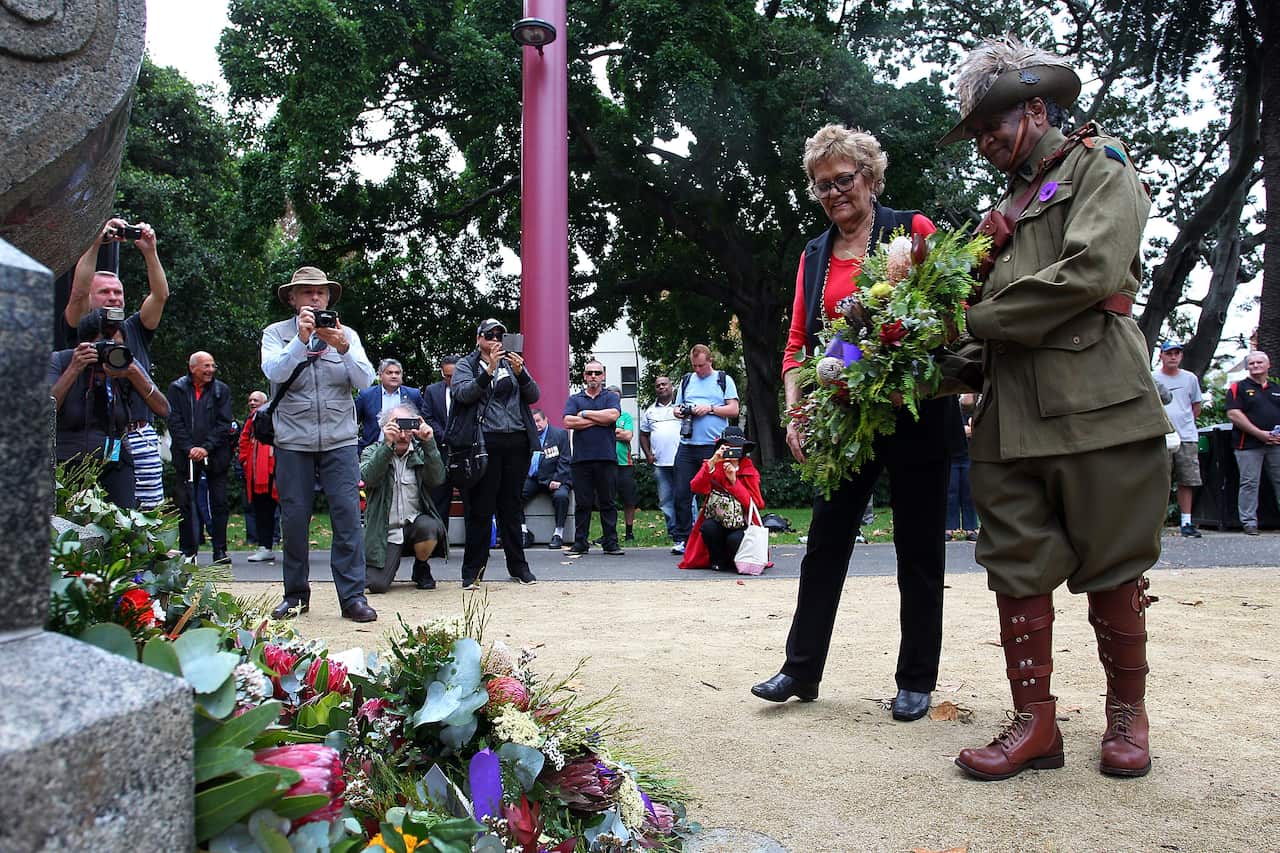
Aboriginal And Torres Straight Islander Veterans
(“Coloured Diggers”) זר מונח במהלך טקס אנז"ק השנתי בסידני לזכרם של בני האומות הראשונות ששירתו כחפרים Credit: Lisa Maree Williams/Getty Images

מה קרה לחיילים האבוריג'ינאלים כשחזרו הביתה מהמלחמה?

עבור רבים מהחיילים האבוריג'ינאלים הותיקים (vets), הקורבן שהם נשאו לא הביא לשוויון.

הם חזרו לחברה שבה אפליה וחוקים מגבילים היו עדיין חלק מחיי היומיום.

"הגברים שלנו נלחמו למען זכויות במלחמות בניכר שהם לא היו זכאים לה במדינות מולדתם", אומר בל. "ולחזור הביתה לחברה לא שוויונית נואשות, והם חוזרים להפרדה, היעדר הכרה חוקית, ההגבלות על בעלות על אדמות, שכר שווה, הגבלת ניהול ילדינו, הדורות הגנובים, היו בעיצומם."

כמה ותיקים אבוריג'ינאלים הצליחו לקבל אישור להטבות, אך רבים לא עשו זאת, כאשר מגבלות חברתיות ופוליטיות גורפות הגבילו את הגישה שלהם אל התמיכה הראויה.

אפילו יצירת קשר עם ותיקים אחרים יכולה להיות קשה לארגון.

לעתים קרובות, חיילים חוזרים קיבלו עידוד להצטרף לארגונים קהילתיים כגון מועדוני RSL התומכים בוותיקים ומארגנים אירועים כמו טקסי יום ANZAC.

אך רבים מהמועדונים הללו היו מקומות מורשים, כלומר הוגש בהם אלכוהול, ואנשים ממורשת אבוריג'ינאלית הוגבלו לעתים קרובות מלהיכנס למקומות אלה.

למעשה נשללה מהם האפשרות לכל תמיכה וקשר.

כיצד מכירה אוסטרליה בשירות הצבאי של האבוריג'ינאלים ואלו מאיי מיצר טורס כיום?

בעשורים האחרונים לקחה ארגון אנדרטת המלחמה האוסטרלי תפקיד פעיל יותר בחשיפה ושיתוף הסיפור של השירות האבוריג'ינאלי ואלו מאיי מיצר טורס.

"הסיפורים שלנו משותפים באופן שווה ומידתי בכל הגלריות שלנו", מסביר בל. "יש לנו תוכן מקומי בכל השירותים, בכל הגלריות, בכל הסיפורים, בכל הייצוגים שלנו."

אין פינה שחורה באנדרטת המלחמה האוסטרלית. מה שאנחנו עושים זה לספר את הסיפור באופן שווה לאורך כל הדרך, כפי שהוותיקים ביקשו מאיתנו לעשות.
מייקל בל

"במדים הם יכלו לראות את עצמם רק כצבע השירות שלהם כמו הירוק, הכחול או האפור לצבא, לחיל האוויר ולחיל הים."

גישה זו משקפת כמה חיילים אבוריג'ינאלים ראו את עצמם - כחיילים תחילה, משרתים לצד אחרים.

יחד עם זאת, סיפורים מוסתרים זה מכבר מתגלים מחדש ומשותפים עם משפחות וקהילות.

"במקרה שבו יש לנו את התמונה הידועה היחידה של גבר אבוריג'ינאלי באוסף שלנו, והמשפחה לא ראתה אותה... נוכל לספק להם אותה מטעם הארגון או כהוקרה על שירותו... וזה באמת מרגש ומיוחד עבורי - להיות מסוגלים לחלוק את זה עם המשפחות שיודעות שהידע והמידע הזה מוחזקים במוסד שבו אנו מנסים באופן חיובי לכלול את הסיפור הידוע בעבר או ידוע פחות על שירותם של חיילים אבוריג'ינאלים וממיצר טורס."

עבור המשפחות, רגעים אלה יכולים להיות עוצמתיים, ועוזרים להתחבר מחדש להיסטוריה, לזהותם ולאהוביהם.
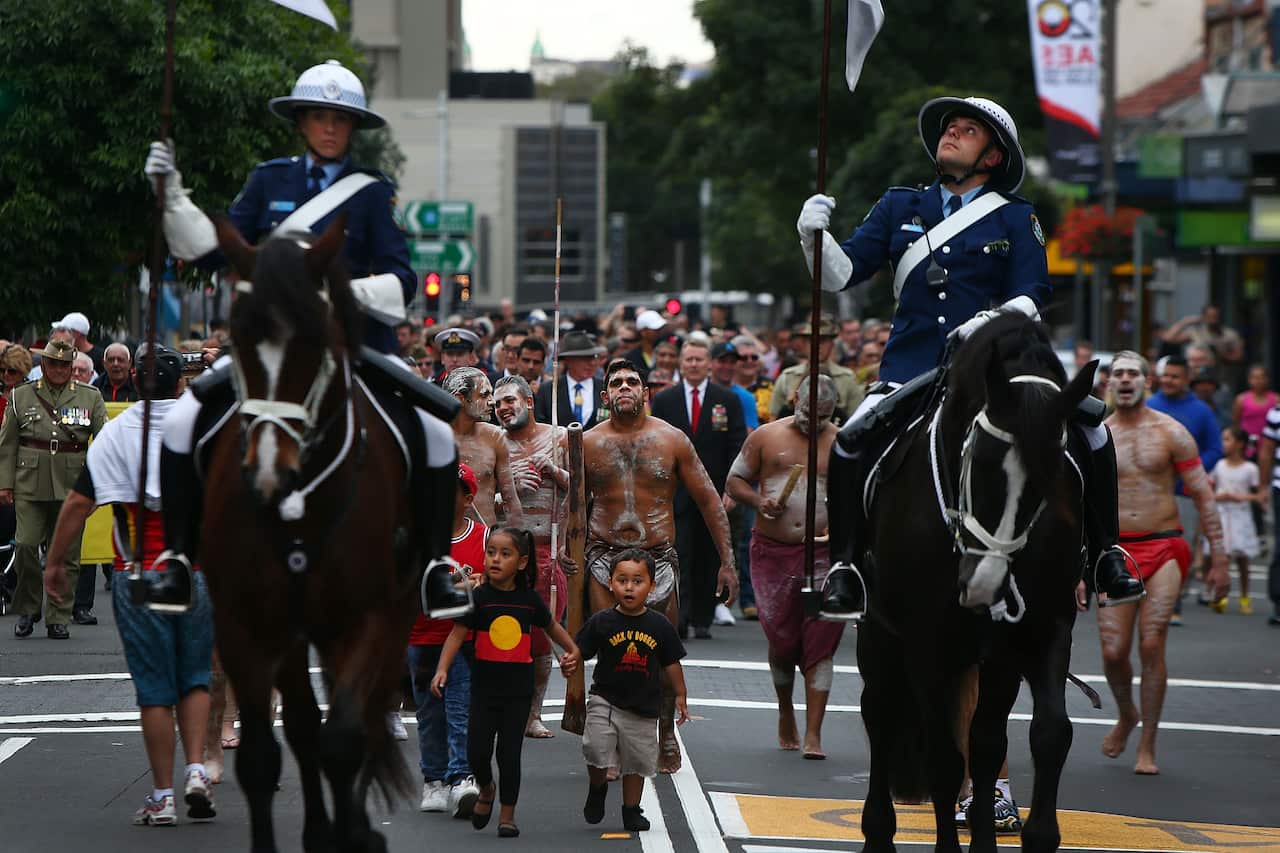
Aboriginal And Torres Straight Islander Veterans
אירוע ה-ANZAC השנתי “Coloured Diggers” בסידני מציין את תרומתם של חיילים וחיילות אבוריג'ינאלים ותושבי איי מצר טורס. Credit: Lisa Maree Williams/Getty Images

מה עליכם לדעת על ההיסטוריה של תושבי האי מיצר האבוריג'ינאלים וטורס ביום ה- ANZAC הזה?

הבנת המשמעות של היום ה-ANZAC פירושה הכרה הן בתרומות והן באתגרים העומדים בפני עמי האבוריג'ינאלים ואיי מיצר טורס.

"מדובר בהיסטוריה המלאה של אוסטרליה ואיך שהיא היום", אומר בל, "לא האומה הבלתי נראית שהיינו בשנים קודמות. ובשביל החבר'ה ממלחמת העולם הראשונה, שצריכים להסתיר את המורשת שלהם, אנחנו רוצים להיות מסוגלים לעודד אותם, לראות את ההיסטוריה המלאה של אוסטרליה כפי שהיא, לא כפי שנכתבה על ידי מערכות קודמות שעשו מאמץ להסתיר או להתעלם מהזהות שלנו".

יום ANZAC הוא זמן לזכור את אלה ששירתו במלחמות ובסכסוכים ועבור אוסטרלים רבים, זה רגע להתכנס ביחד כדי לכבד את ההיסטוריה.

ככל שהסיפורים הללו הופכים משותפים יותר, הם עוזרים לצייר תמונה מלאה יותר של העבר של אוסטרליה -וגם את ההווה שלה.

הירשם לפודקאסט המוסבר באוסטרליה או עקוב אחר מידע רב ערך וטיפים לגבי התמקמות בחייך החדשים באוסטרליה.

יש לך שאלות או רעיונות לנושא? אימייל australiaexplained@sbs.com.au

spk_0

SBS acknowledges the Traditional Custodians of Country and their connections and continuous care for the skies, lands and waterways across Australia.

spk_1

You're listening to Australia Explained, an SBS audio podcast helping you navigate life in Australia.

spk_2

Hello, I'm Lowanna Grant, executive producer of NITV Radio. I'll be your host for this special episode of the Australia Explained. ANZAC Day is one of Australia's most important national days. Each year people gather to remember those who served in wars, conflicts, and peacekeeping missions. But understanding ANZAC Day can take time, especially if you're new in Australia.

spk_2

Whose stories are we remembering and are there stories we don't always hear? In this episode, we explore an important part of Australia's history that has often been overlooked, the service of Aboriginal and Torres Strait Islander peoples.

spk_2

Many Aboriginal and Torres Strait Islander people served in Australia's armed forces, including during the 1st and 2nd World Wars, often alongside non-Indigenous Australians, even when they were officially barred from enlisting. Today there is a growing effort to ensure these stories are recognised and remembered. Ngunnawal/Gomeroi man Michael Bell is part of that work as Indigenous liaison officer at the Australian War Memorial.

spk_2

He helps identify and recognise the service and sacrifice of Aboriginal and Torres Strait Islander peoples, both those who served in uniform and those who supported the war effort on home soil. Through this work, a clearer picture is beginning to emerge.

spk_3

We currently have just over 1200 Aboriginal men enlisted or attempted to enlist in the First World War, and approximately we're estimating it's going to be about 6500 men in

spk_3

the Second World War. It's an ongoing project and the numbers change weekly as we identify and add and include men on our list.

spk_2

These numbers continue to grow as more records are uncovered, but one question often asked is how do these figures compare to non-Indigenous Australians?

spk_3

We've statistically viewed the numbers of Aboriginal attestations compared to known populations, and the rates of enlistments or attestations

spk_3

are the same to their non-Indigenous brothers and sisters.

spk_2

In other words, despite facing significant barriers, Aboriginal people enlisted at similar rates to non-Indigenous Australians. So what were those barriers? Michael Bell explains that restrictions existed at multiple levels. Aboriginal people faced limits on their movement across the country. They were not recognised as full Australian citizens and in some cases, not even recognised as people under the law.

spk_2

And military policies often excluded those without European heritage. Together these created major obstacles for those wanting to serve. But even with these restrictions, many people went to extraordinary lengths to enlist.

spk_3

Oh, we have an Aboriginal man that's walked from Queensland all the way down to Albury, and on his way, he's tried to enlist 5 times, ultimately to get in and unfortunately didn't get to serve because he passed away of illness on the ship

spk_3

on the way over to the battlefield, so it's the dedication and re-enlistment of our men where they've been rejected for being Aboriginal, but go back and try again.

spk_2

Stories like this show determination, resilience, and a strong desire to serve country even when that country did not offer equal rights. But what happened after these servicemen returned home? For many Aboriginal veterans, the end of the war did not mean equality.

spk_2

They returned to a society where discrimination and restrictive laws were still part of everyday life.

spk_3

Our men were fighting for rights in a foreign war that they weren't entitled to in their home countries.

spk_3

And to come home to a desperately unequal society and to go back into segregation, the lack of legal acknowledgement, the restrictions on ownership of land, equal wages, the restriction of managing our children, the Stolen Generations were in full swing.

spk_2

Some Aboriginal veterans were able to access benefits, but many did not, with broader social and political restrictions limiting support.

spk_2

Even connecting with other veterans could be difficult. Returned soldiers were often encouraged to join RSL clubs, community organisations that support veterans and organise events like ANZAC Day ceremonies. But many of these clubs were licenced venues, meaning alcohol was served.

spk_2

Because Aboriginal people were often restricted from entering these spaces, they were effectively excluded from both support and connection. Today, there is growing recognition of this history.

spk_2

In recent decades, the Australian War Memorial has taken a more active role in uncovering and sharing Aboriginal and Torres Strait Islander service. Mr Bell explains.

spk_3

Our stories are shared equally and proportionately throughout all of our galleries. We have Indigenous content in all the services, all of the galleries, all of the stories, all of our representations. There is no Black corner at the Australian War Memorial. What we do is tell the story equally throughout.

spk_3

The veterans have asked us to do in the uniform, they could only see themselves as the colour of their service, such as the green, the blue, or the grey for army, air force, and navy.

spk_2

This approach reflects how many Aboriginal servicemen saw themselves as soldiers first, serving alongside others. At the same time, long hidden stories are now being rediscovered and shared with families and communities.

spk_3

On the occasion where we have the only known

spk_3

of an Aboriginal man in our collection and the family haven't seen it or didn't know what their great grandfather or great uncle looked like, we can provide that to them on behalf of recognition of his service and recognition of his contribution, and that's really, really touching and special for me to be able to share that with the families and know that that knowledge and information is held in an institution where we're positively trying to include the previously or lesser known story about Aboriginal and Torres Strait Islander service.

spk_2

For families, these moments can be powerful, helping to reconnect with history, identity, and loved ones. So this ANZAC Day, what should you, especially if you're new to Australia, keep in mind?

spk_3

It's about the full and total history of Australia and how it is today, not the unseen nation that we have been in previous years and for the First World War guys, you know, having to hide their heritage, where we want to be able to encourage them

spk_3

to see the full history of Australia as it is, not as it was written by previous systems that excluded our acknowledgement.

spk_2

ANZAC Day is a time to remember those who served in wars and conflicts, and for many Australians, it's a moment to come together to honour history. Understanding ANZAC Day means understanding the full story of Australia.

spk_2

That includes recognising both the contributions and the challenges faced by Aboriginal and Torres Strait Islander peoples. As these stories become more widely shared, they help paint a fuller picture of Australia's past and its present.

spk_2

Thank you for listening to this episode of Australia Explained. The interview was conducted by Rachael Knowles, sound edit by Melissa Compagnoni, and the Australia Explained managing editor is Roza Germian, and I'm Lowanna Grant. Until next time.

spk_1

This was an SBS audio podcast. For more Australia Explained stories, visit SBS.com.au/Australiaexplained.

spk_4

Subscribe or follow the Australia Explained podcast for more valuable information and tips about settling into your new life in Australia. Do you have any questions or topic ideas? Send us an email to australiaexplained@sbs.com.au.

END OF TRANSCRIPT

Share

Follow SBS Hebrew

Download our apps

Watch on SBS

SBS World News

Take a global view with Australia's most comprehensive world news service

Watch now