הצעדים הראשונים שלך ליצירת קשר עם האוסטרלים הילידים

Australia Explained: Indigenous Connections

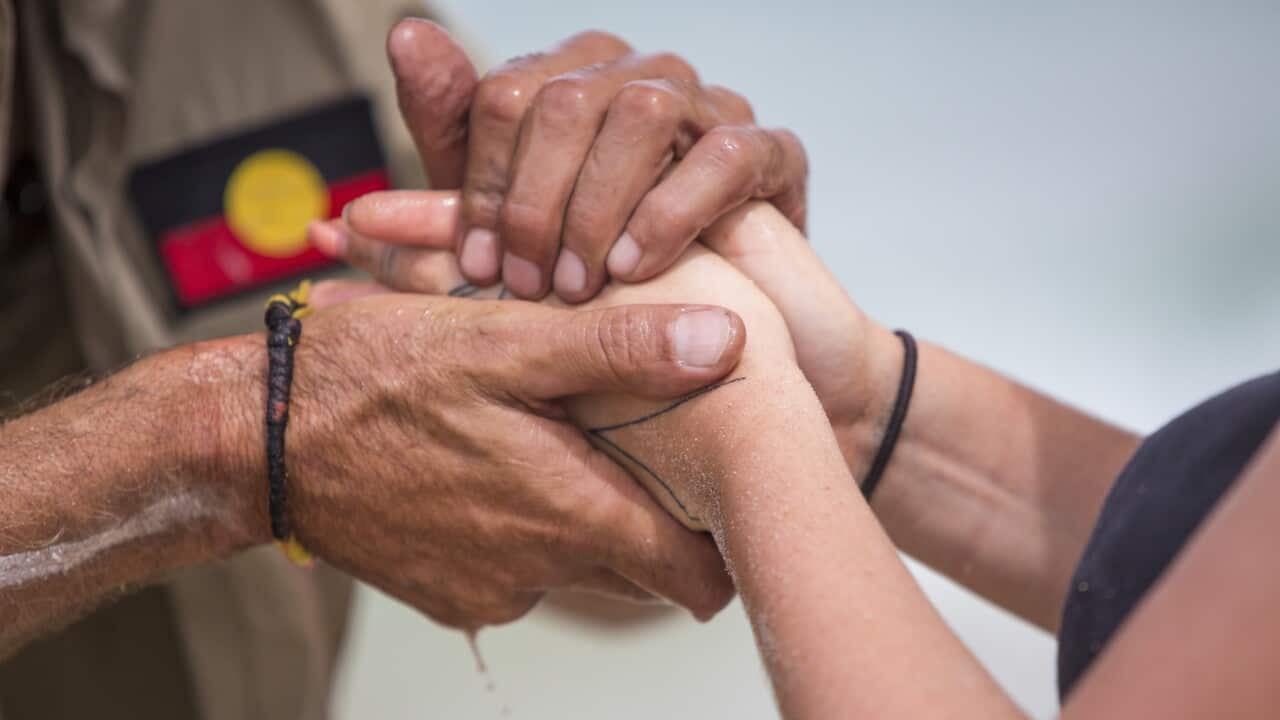
לא משנה היכן אתם גרים באוסטרליה, אתם נמצאים על הקרקעות והמים של אנשי העמים הראשונים של אוסטרליה. Credit: Matthew Micah Wright/Getty Images

יצירת קשר עם אוסטרלים ילידים יכולה להיות מאתגרת עבור מהגרים חדשים באוסטרליה. אז איפה להתחיל? שאלנו את שאנון דודסון, אישה משבט יאוורו (Yawuru) ומנכ״לית קרן הריפוי (Healing Foundation), על דרכים פשוטות להתחבר לאנשי האומות הראשונות ולסוגיות העמים הראשונים (First Nations) בקהילה המקומית שלך.


נקודות עיקריות
  • האוסטרלים האבוריג’ינים ותושבי מצרי טורס מורכבים ממגוון רחב של עמים ותרבויות שונות
  • האוסטרלים האבוריג’ינים ותושבי מצרי טורס מורכבים ממגוון רחב של עמים ותרבויות שונות
  • גישה מכבדת כוללת הגעה במטרה ללמוד, הקשבה פתוחה ושאילת שאלות באופן מכבד
להבין את המגוון הרחב של תרבויות וקהילות ילידיות הוא הכרחי עבור כל מי שמתגורר באוסטרליה, אומרת שאנון דודסון, אישה משבט יאוורו ומנכ״לית 'קרן הריפוי' - ״חשוב להבין שאין תרבות אחידה אחת. יש מאות שפות שונות ברחבי המדינה. ולו רק ההשקעה בלמידה על העושר והגיוון הזה - בעיניי זה דבר מאוד משמעותי.״
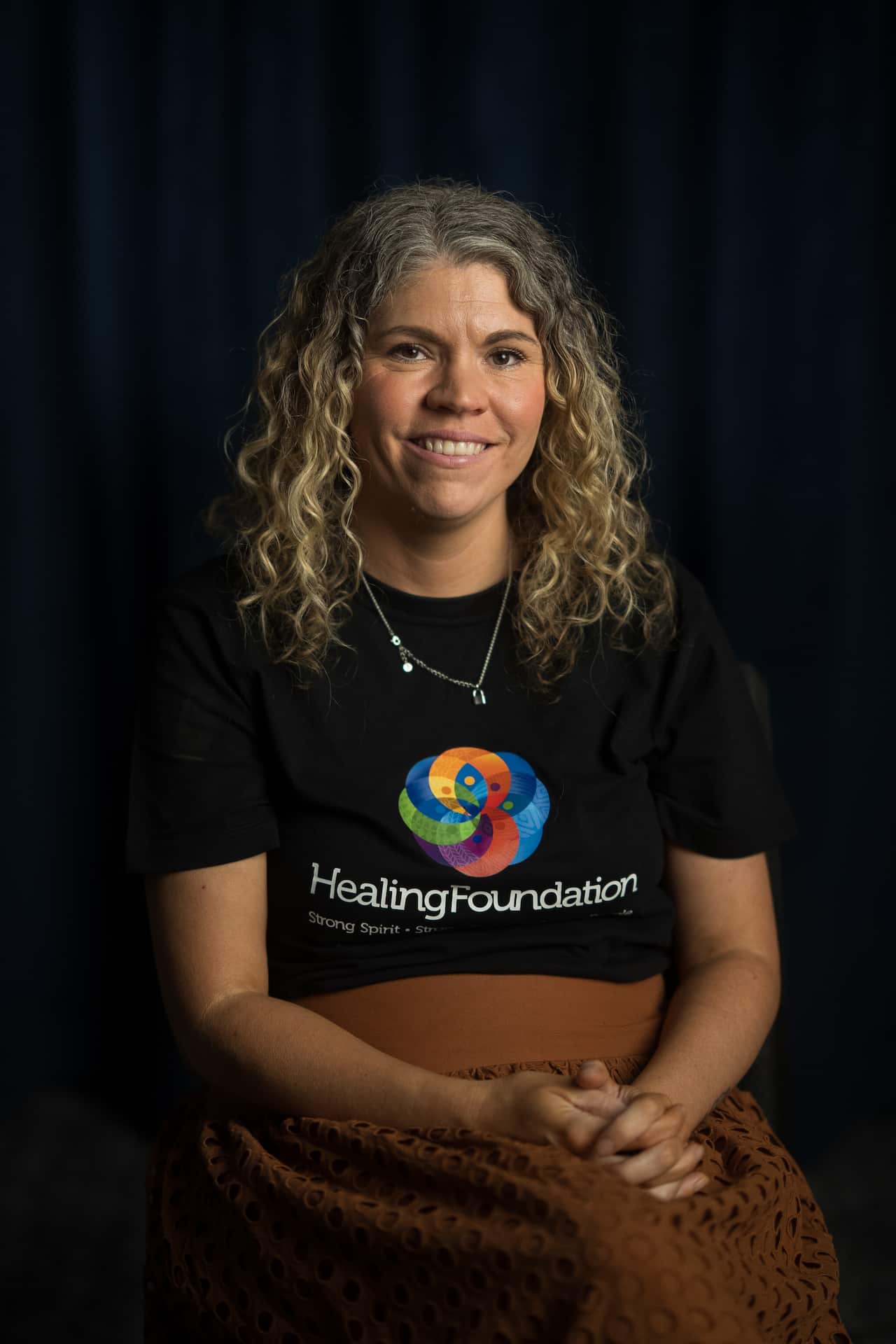
Healing Foundation_Canberra-07 (1).jpg
״חשוב שכל מי שחי באוסטרליה יבין כי העמים הילידיים שמרו על הארץ הזו וטיפחו אותה במשך עשרות אלפי שנים,״ אומרת שאנון דודסון. צילום: קרן הריפוי (The Healing Foundation)

איך אוכל ללמוד מי הם הבעלים המסורתיים של האזור שבו אני גר.ה?

אוסטרליה של העמים האבוריג’ינים ושל תושבי מצרי טורס מורכבת מקבוצות רבות ומגוונות. חשוב לנסות לייצר קשר עם הקהילה המקומית, אומרת דודסון. אבל איך מגלים על איזו אדמה (“קאנטרי”) אנחנו חיים?

״להבין היכן אתה חי ולדעת על איזו אדמה מסורתית אתה נמצא. היום נהיה קל מאוד לגלות מי הם הבעלים המסורתיים של האזור בו גרים.״

למידע ומפה של אוסטרליה הילידית, כולל פרטים על שומרי האדמות המסורתיים באזור מגוריך, ניתן לבקר באתר המכון האוסטרלי ללימודי אבוריג’ינים ותושבי מצרי טורס.

איך כדאי ליצור קשר עם אוסטרלים ילידים?

אם אתם מחפשים דרכים לתמוך בסוגיות העמים הראשונים ולהתחבר לאנשים, אפשר להתחיל ממש במקום שבו אתם גרים.

״בדקו כיצד ליצור קשרים טובים יותר עם ארגונים אבוריג’ינים מקומיים. זה יכול להיות דרך התנדבות, מתן תמיכה כלשהי, או אפילו שיתוף מידע עם חברים, עמיתים ובני משפחה.״

באמצעות צמצום החיפוש למדינה או לטריטוריה שבה אתם חיים, תוכלו ללמוד על סוגיות ילידיות ייחודיות לאזור שלכם.
Australia Explained: Indigenous Connections
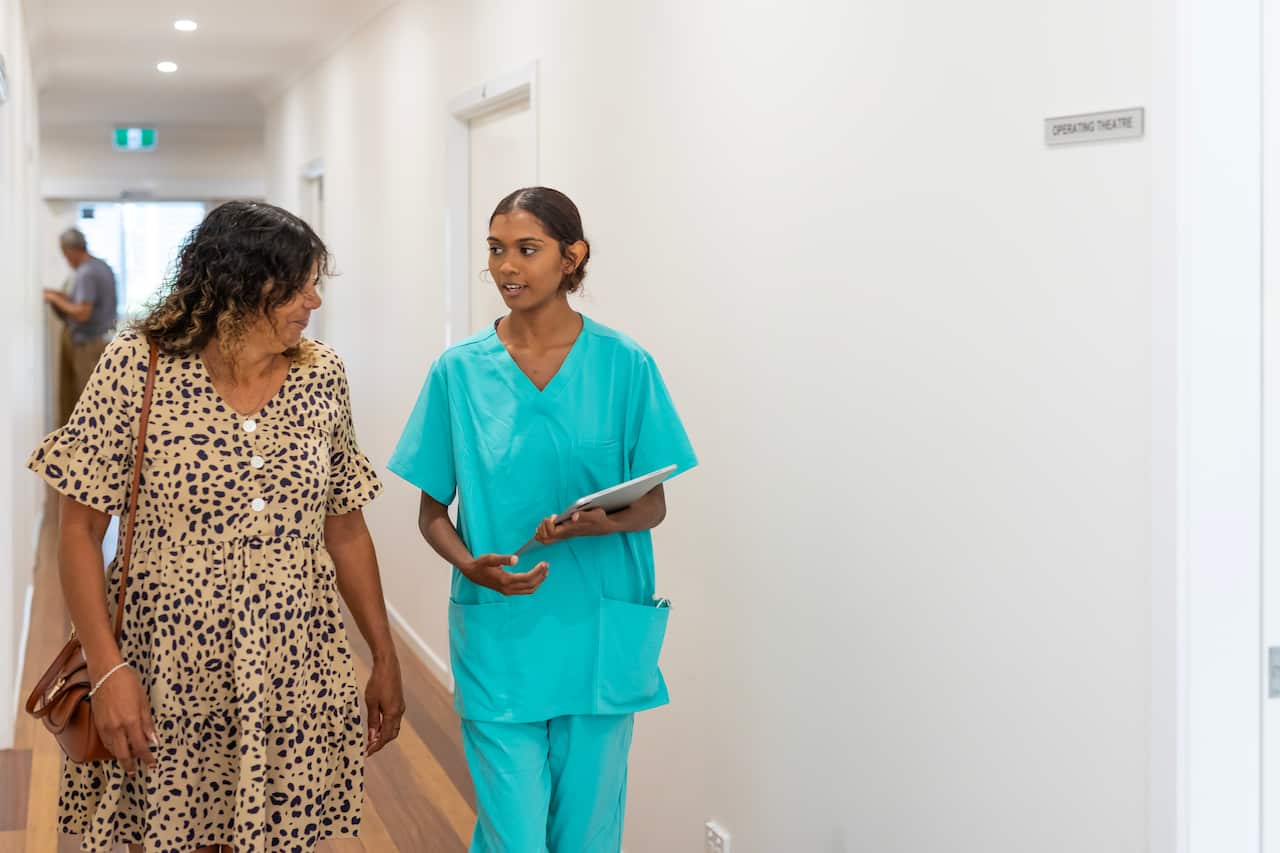
חלק מהארגונים הילידיים מתמקדים בסוגיות הייחודיות למדינה או לטריטוריה שבה הן פועלות, בעוד אחרים עוסקים בנושאים ילידיים בקנה מידה ארצי, כגון טיפול בקשישים. Credit: davidf/Getty Images

איפה אפשר למצוא מידע אמין על אבוריג’ינים ותושבי מצרי טורס?

ישנם מקורות אמינים רבים ברשת. דודסון ממליצה להתחיל בשלושה אתרים אוסטרליים כנקודת התחלה:

אילו ימים ואירועים ילידיים מציינים באוסטרליה?

השתתפות באירועים שמובילים העמים הילידיים יכולה להציע דרכים נוספות להתחבר לתרבויות ולקהילות של עמי האומות הראשונות.

״יש לא מעט הזדמנויות להשתתף באירועים, כמעט בכל מדינה וטריטוריה,״ אומרת דודסון.

לדוגמה, חגיגות שבוע NAIDOC הלאומי, המתקיימות מדי שנה בשבוע הראשון של יולי.
שבוע NAIDOC נולד מתוך הרצון לחגוג את התרבויות האבוריג’יניות ותרבויות תושבי מצרי טורס בצורה חיובית, פתוחה ומשתפת, לא רק עבור הקהילות עצמן, אלא גם כדי שהציבור האוסטרלי הרחב יוכל לקחת חלק בחגיגה
שאנון דודסון, מנכ״לית קרן הריפוי


שבוע הפיוס הלאומי, הנערך בין ה-27 במאי ל־3 ביוני, מציין את משאל העם של 1967 ואת פסק הדין של בית המשפט העליון האוסטרלי בפרשת מאבו.


יום השנה להתנצלות ההיסטורית בפני עמי הילידים של אוסטרליה, ב־13 בפברואר, מקדים את יום הסליחה הלאומי, המצוין מדי שנה ב־26 במאי.

שני הימים הלו מכירים ב״דורות הגנובים״ של ילדים מהעמים אבוריג’ינים וילידי מצרי טורס שהוצאו בכפייה ממשפחותיהם בין אמצע המאה ה־19 לשנות ה־80 של המאה ה־20.

״זו הזדמנות להתכנס יחד כמדינה ולחלוק כבוד לאנשים שסבלו כתוצאה מהמדיניות הזו, וגם להבין את הטראומה המתמשכת שקהילות רבות עדיין מתמודדות איתה.״
Australia Explained: Indigenous Connections
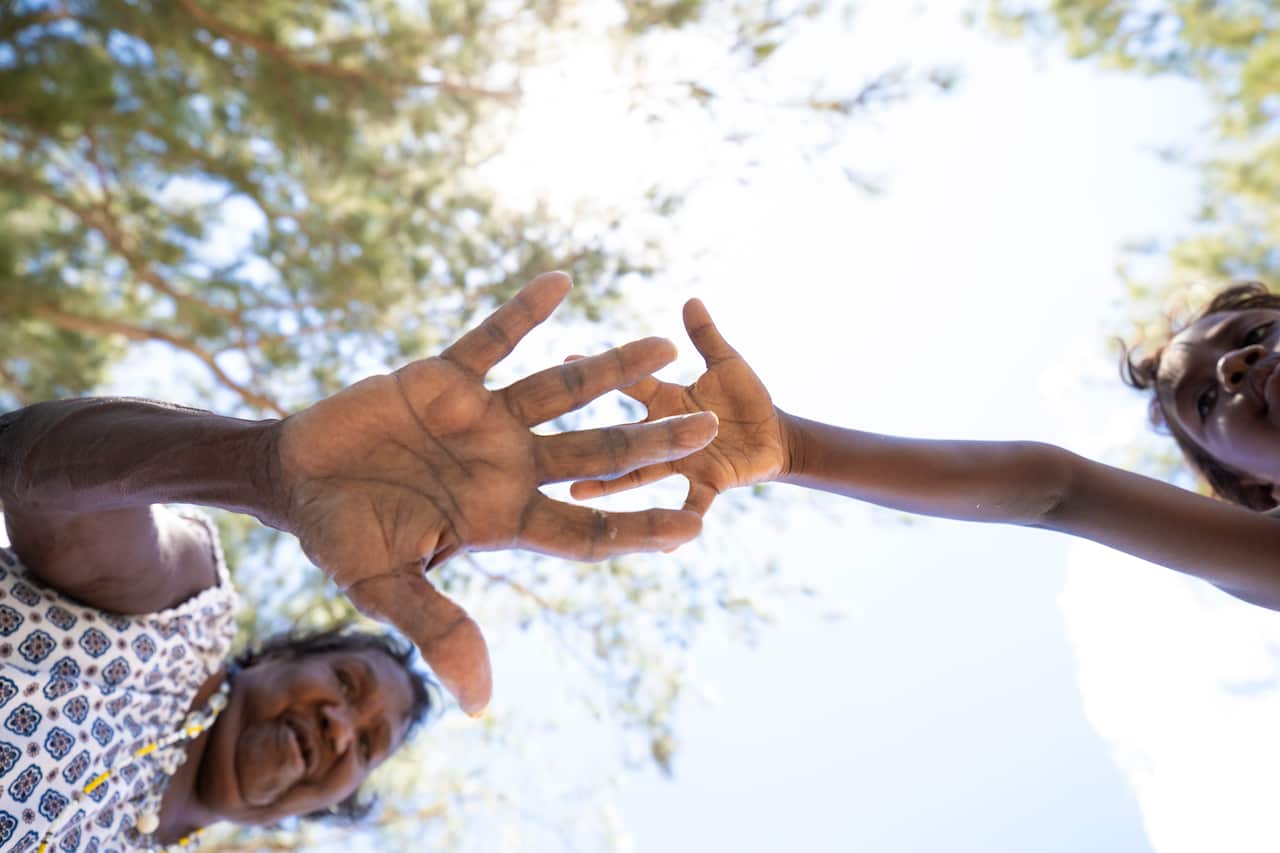
קל לטעות כאשר נתקלים במיתוסים או בסטריאוטיפים על אודות אבוריג’ינים ותושבי מצרי טורס ותרבותם. Credit: WANDER WOMEN COLLECTIVE/Getty Images

איך אוכל להיות בעל.ת ברית טוב.ה לעמי האומות הראשונות של אוסטרליה?

בזמן שאנחנו מחפשים הזדמנויות להתחבר לאוסטרליה הילידית, חשוב לשים לב לגישה שלנו.
״להיות בעל ברית מכבד, או מישהו שרוצה ללמוד עוד, פירושו לבוא בראש פתוח, ללוות ולא להוביל, ולחשוב איך אפשר לתת במה לקולות ילידיים בדרך שהם בוחרים ושאשר בשליטתם.״


לדבריה של דודסון, יש עצה אחת פשוטה להתחלה: ״בואו עם לב פתוח וראש פתוח. הקהילות שלנו מאוד מסבירות פנים, ואנחנו רוצים לשתף מי אנחנו, את ההיסטוריה והתרבות שלנו.״

אם אתם יכולים להגיע, זה הצעד הראשון לבנות קשרים טובים יותר
שאנון דודסון, מנכ״לית קרן הריפוי
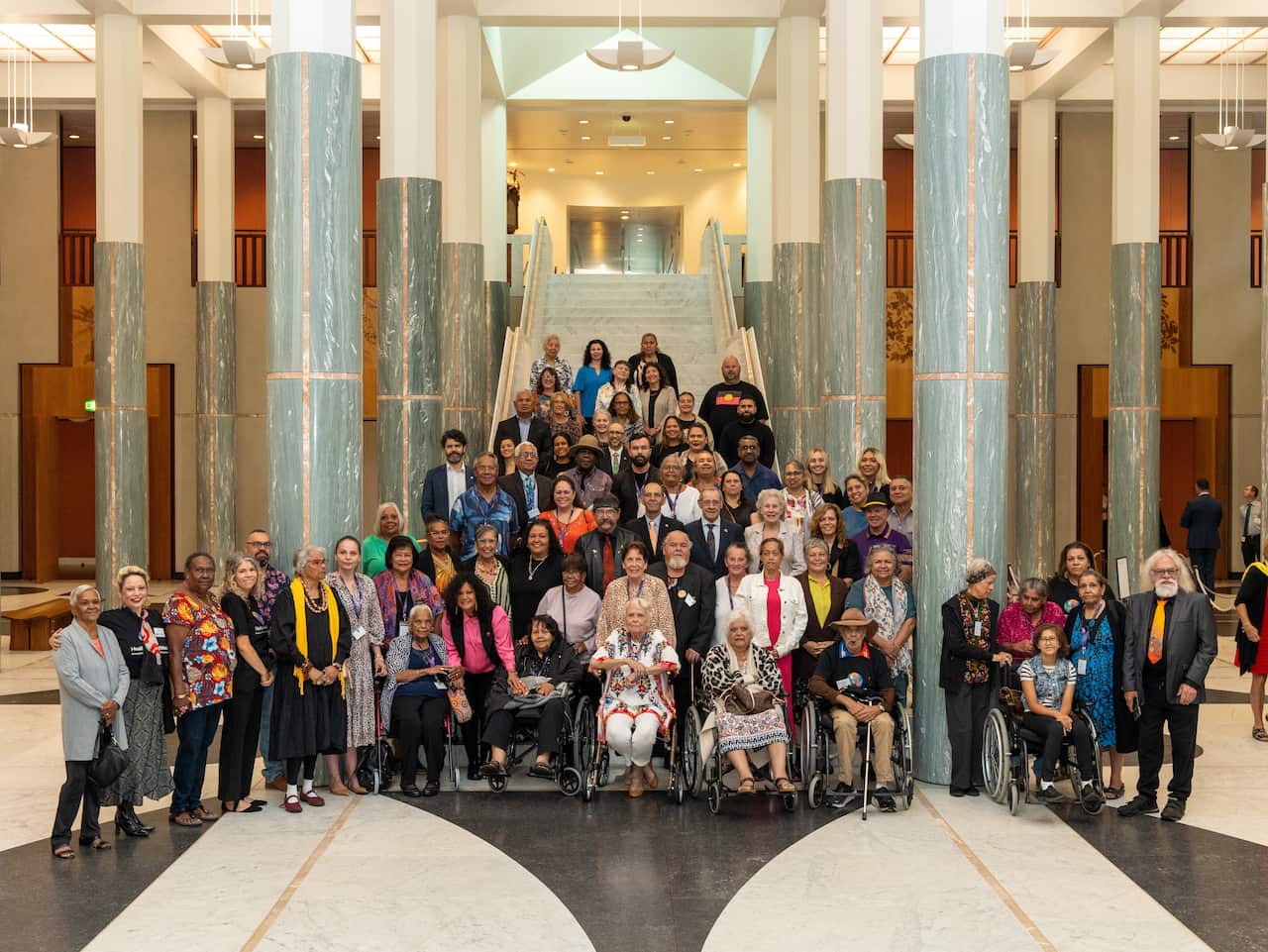
Survivors group shot.jpg
צילום קבוצתי מאירוע פברואר 2025 לציון יום השנה להתנצלות הלאומית בפני הדורות הגנובים. בתמונה נראים ניצולים, צאצאיהם, אנשי צוות קרן הריפוי, השרה לענייני אוסטרלים ילידים מלרינדרי מקארתי וחברי קהילה נוספים. צילום: קרן הריפוי (The Healing Foundation).

מה כדאי לעשות אם אומר בטעות משהו לא נכון בשיחה עם אדם ילידי?

התהליך של למידה על התרבויות החיות העתיקות ביותר בעולם והבנת המורכבות של ההיסטוריה הקולוניאלית דורש זמן ומאמץ.

טבעי שאנשים שאינם ילידים חוששים לפעמים מ״לטעות או להגיד את הדבר הלא נכון״, אומרת דודסון. ״אבל אני לא חושבת שהפחד הזה צריך למנוע מאנשים מלנסות ליצור חיבור, כי המטרה היא לשמור על ראש פתוח, לשאול שאלות, ורוב האנשים יודעים לעשות איך את זה בצורה מכבדת.״
הירשמו או עקבו אחרי הפודקאסט Australia Explained למידע נוסף וטיפים מועילים על ההתאקלמות לחיים החדשים באוסטרליה.

יש לכם שאלות או רעיונות לנושאים? מוזמנים לשלוח לנו מייל לכתובת: australiaexplained@sbs.com.au 

spk_0

SBS acknowledges the Traditional Custodians of Country and their connections and continuous care for the skies, lands and waterways across Australia.

spk_1

You're listening to Australia Explained, an SBS audio podcast helping you navigate life in Australia.

spk_2

I'm Lowanna Grant, executive producer of NITV Radio, and I'll be your host for this special episode of the Australia Explained. If you're new to Australia, you might notice many references to traditional owners, country, or First Nations. Many people settling here want to understand what that means and how to engage in a respectful way. Taking those first steps can feel uncertain, but they're part of learning how to Place works and finding your footing.

spk_2

Australia's First Nations people have lived on and cared for this land for more than 60,000 years. Understanding and respecting this connection can help you feel more grounded as you settle into your new home. In this episode, we share simple and meaningful ways to start learning about First Nations cultures and communities, no matter where you live and no matter your English level or background.

spk_2

Moving to a new country can be overwhelming. Many migrants want to connect with indigenous cultures but feel unsure about the right way to start. Some worry about saying the wrong thing, while others simply don't know where to begin. So what does a meaningful first step actually look like? We asked Yawuru woman Shannan Dodson, the CEO of the Healing Foundation, to guide us. She says the journey begins with understanding that there is no

spk_2

single "indigenous culture", there are actually many.

spk_3

There is importance in being able to educate yourself around the story of Aboriginal and Torres Strait Islander people as a unique people that have the oldest continuing cultures in the world and understanding that there is not just one sort of homogeneous culture. There's hundreds of different languages across the country and even just to be able to educate yourself about.

spk_3

That vastness, I think is really important.

spk_2

This first step can be done online in your own time and in plain English. Learning about the diversity of First Nations peoples can make you feel more confident and prepared when you meet people face to face. Once you've taken some time to learn about this diversity, the next step is to understand the country you live on now, the land you walk on, work,

spk_2

and raise your family on.

spk_3

It's important to try and find some connections with your local community, understanding where you live and knowing what country you're on. It's very easy these days to find out who the traditional owners are in your area, and there are often ways to be able to connect with traditional owners or Aboriginal people in your area, whether it be through

spk_3

Aboriginal land councils or cultural centres or other Aboriginal groups that do community events.

spk_2

A simple search using the words traditional owners plus your suburb will often give you reliable results. Your local council website is another great place to start. If you're living in a regional area, these websites often list community festivals, local tours, workshops, or family-friendly events.

spk_2

For a broader view, every state and territory has indigenous organisations that offer culture-specific resources. These can help you learn at your own pace. Shannon Dodson adds that national organisations can also support you as you start your journey. The list is not exhaustive, but it's a solid place to begin.

spk_3

The Healing Foundation is an organisation that supports Stolen Generation survivors

spk_3

and stolen generation organisations. There's also the Australian Institute of Aboriginal and Torres Strait Islander Studies, which has a great amount of resources around language and culture and historical records. You also have Reconciliation Australia which has information about the reconciliation process in Australia and how we can better relationships between indigenous and non-Indigenous people.

spk_2

You might feel more comfortable joining group activities, Shannon says this is a great option.

spk_2

Across Australia, there are many community-led events that welcome people from all backgrounds.

spk_3

There's NIDOC Week every year in July, which was really born out of celebrating Aboriginal and Torres Strait Islander cultures in a really positive, open, and sharing way. We also have Reconciliation Week, end of May, early June.

spk_3

And one of the huge events for our organisation is the annual anniversary of the apology to the Stolen Generations in February, but also Sorry Day, which is in May.

spk_2

These events often include music, art, dance, food, and storytelling activities that don't require strong English skills and are often suitable for families. Assefa Bekele from the Sydney Ethiopian Community has experience working with the indigenous community.

spk_2

He explains how engaging with First Nations cultures can help you cultivate a sense of belonging.

spk_4

It's very important. I used to be a multicultural community liaison officer here in New South Wales. And there must be some sense of belonging for every individual, every citizen, particularly those who came from overseas and the Indigenous Australians who lived here for almost over 60,000 years.

spk_4

And it's better to share history, culture and everything, and really develop the sense of belonging and togetherness.

spk_2

However, for many new arrivals, there might be a fear of making mistakes. Ms Dodson says that many people, both migrants and long-term Australians, feel nervous about doing or saying the wrong thing.

spk_3

I think sometimes there is a fear of getting it wrong or saying the wrong thing, which I understand, but also I don't think that that fear should stop people from engaging because the whole point is to be open, to be asking questions, and most people would know how to do that in a respectful way with anyone. It doesn't matter if you're Aboriginal and Torres Strait Islander or anyone.

spk_2

Building meaningful relationships requires trust and takes time. Listening is the most important skill. No special knowledge needed, but it all starts with one step, Ms Dodson says.

spk_3

I think my advice is to show up, to have an open heart and an open mind. Our communities are very welcoming, and we are wanting to share about who we are, our history,

spk_3

our culture, our communities, and I think that if you can show up, that's the first step to building those better relationships.

spk_2

Whether you've been in Australia for 6 months or 6 years, connecting with Indigenous Australia is not about being perfect. It's about being present, being curious, and being respectful. For many new migrants, it can also be a powerful way to feel more at home.

spk_2

Thank you for listening to this episode of Australia Explained, written and produced by Zoe Thomaidou. Sound design and mix is by Maram Ismail, Australia Explained managing editor is Roza Germain, and I'm Luna Grant. Until next time.

spk_1

This was an SBS audio podcast. For more Australia explained stories, visit sbs.com.au/Australiaexplained.

spk_5

Subscribe or follow the Australia Explained podcast for more valuable information and tips about settling into your new life in Australia. Do you have any questions or topic ideas? Send us an email to australiaexplained@sbs.com.au.

END OF TRANSCRIPT

Share
Follow SBS Hebrew

Download our apps
SBS Audio
SBS On Demand

Listen to our podcasts
Independent news and stories connecting you to life in Australia and Hebrew-speaking Australians.
Interviews and feature reports in English from SBS News
Get the latest with our exclusive in-language podcasts on your favourite podcast apps.

Watch on SBS
SBS World News

SBS World News

Take a global view with Australia's most comprehensive world news service