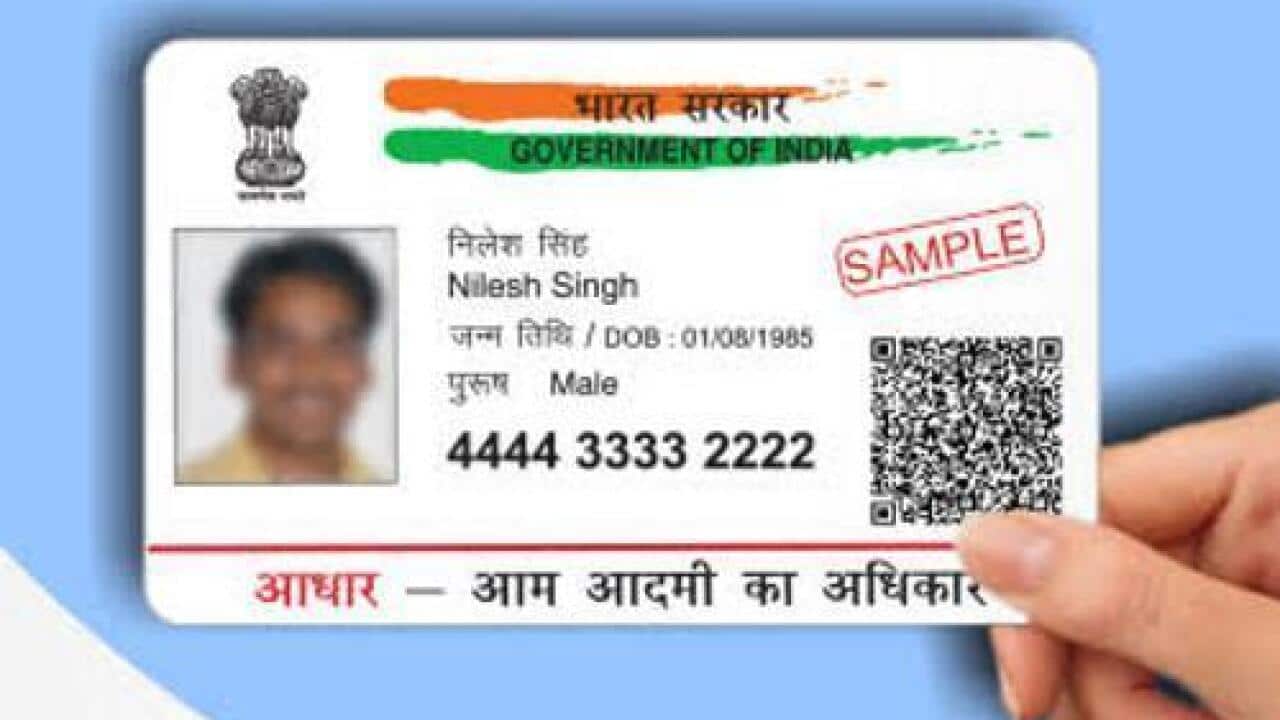
Indian people will no longer need to link their bank accounts and mobile phone numbers to Aadhaar, the country’s biometric identity number, India's Supreme Court has ruled.
On Wednesday, the Supreme Court ruled Aadhaar scheme was constitutional, does not violate the right to privacy but ruled it cannot be compulsory for bank accounts, mobile connections or school admissions.
Aadhaar card is a 12 –digit unique identification number issued after submitting biometric data. More than a billion Indians have signed up for this identification card which is used to access welfare payments, social services and linked to tax payments.
"Aadhaar gives dignity to the marginalised. Dignity to the marginalised outweighs privacy," said the five-judge bench, comprising all the sitting judges in the Supreme Court.
Therefore, they said that people would still need their Aadhaar numbers to access government welfare schemes and to pay taxes.
It, however, said that private entities including mobile phone operators and private banks would no longer have the authority to demand customers' Aadhaar numbers and instructed the government to "bring out a robust data protection law urgently".
It also said that schools could not insist on children's Aadhaar numbers to enrol students, further adding that no child could be denied state welfare benefits for the want of an Aadhaar number.
A five-judge bench comprising the court’s senior-must judges held marathon hearings spread across four months and heard over 30 petitions against the Aadhaar Act and the Centre’s defence of the controversial law before delivering their verdict on Wednesday.




