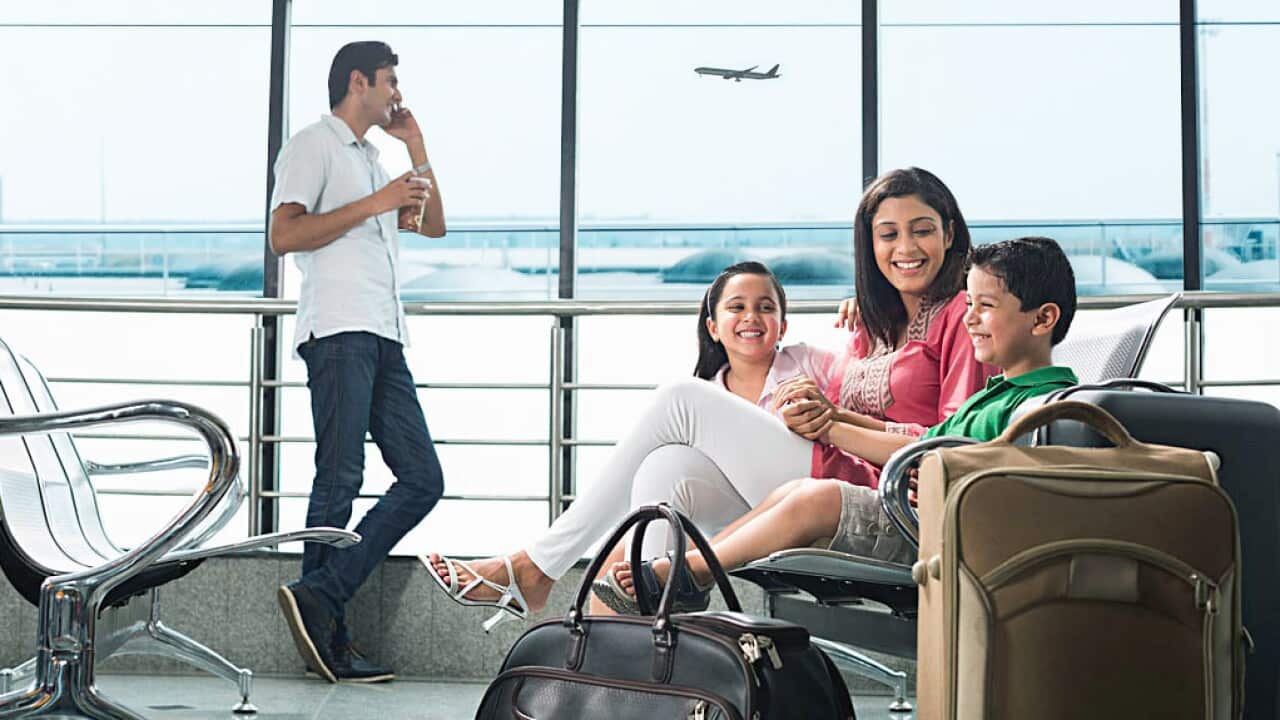
Following the recent confirmed cases in Perth, Sydney, the Gold Coast and Cairns, the Australian Academy of Science have urged Australians heading overseas, for business or pleasure, to make sure their measles vaccinations are up to date.
According to the Australian Department of Health’s National Notifiable Diseases Surveillance System, there have been 172 notifications of measles in Australia so far in 2019, compared to 103 cases in 2018.
Public health expert Professor David Durrheim from the University of Newcastle said most measles cases are Australians who are unprotected from the disease, travelling overseas to places where measles is spreading, and bringing it back.
“The Philippines has had a very large outbreak with large numbers of deaths in young children. There have been outbreaks in Thailand, Vietnam, and Indonesia,” Professor Durrheim said.
Even though a safe and cost-effective vaccine is available, in 2017, there were 110,000 measles deaths globally, mostly among children under the age of five.
India stood fourth among 194 countries in the number of measles cases registered between July 2018 and June 2019, according to the latest measles surveillance data released by the World Health Organization (WHO).
With 39,299 cases India bagged the fourth spot after Madagascar (150,976), Ukraine (84,394) and Philippines (45,847).
With many Non-Resident Indians (NRIs) heading home over the coming months, it is important to check their vaccination details, especially of those under the age of five.
What is measles?
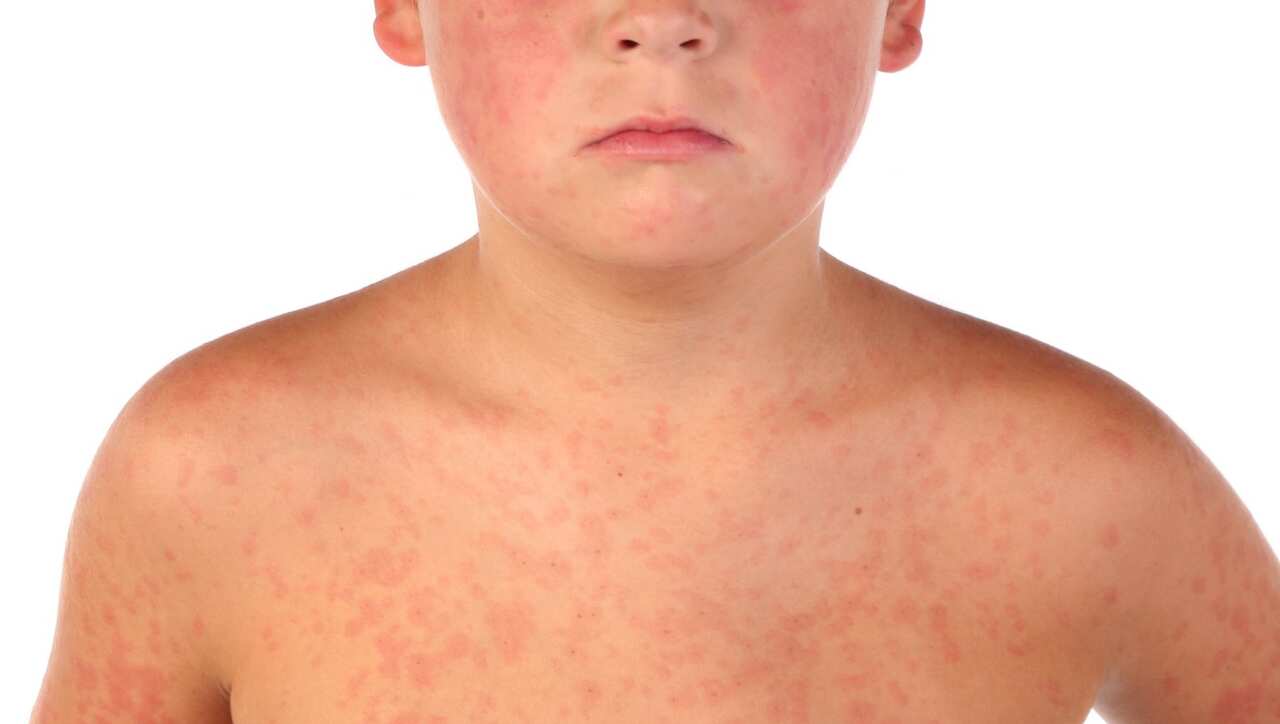
Measles is a highly contagious, serious disease caused by a virus and it is normally passed through direct contact and through the air. The virus infects the respiratory tract, then spreads throughout the body.
It starts with a high fever and usually transforms into a rash erupt and lasts for up to 14 days.
Most measles-related deaths are caused by complications associated with the disease.
Serious complications are more common in children under the age of 5, or adults over the age of 30.
According to WHO, the most serious complications include blindness, encephalitis (an infection that causes brain swelling), severe diarrhoea and related dehydration, ear infections, or severe respiratory infections such as pneumonia.
While measles is more common in developing countries where vaccines are less widely available— particularly in parts of Africa and Asia—outbreaks have also occurred in destinations that a lot of Australians might consider ‘low-risk’ for getting sick including parts of Europe, the United States and New Zealand.
Are you vaccinated?
The latest immunisation coverage data for two-year-old children in Australia shows coverage of more than 93% for the measles mumps and rubella (MMR) vaccine.
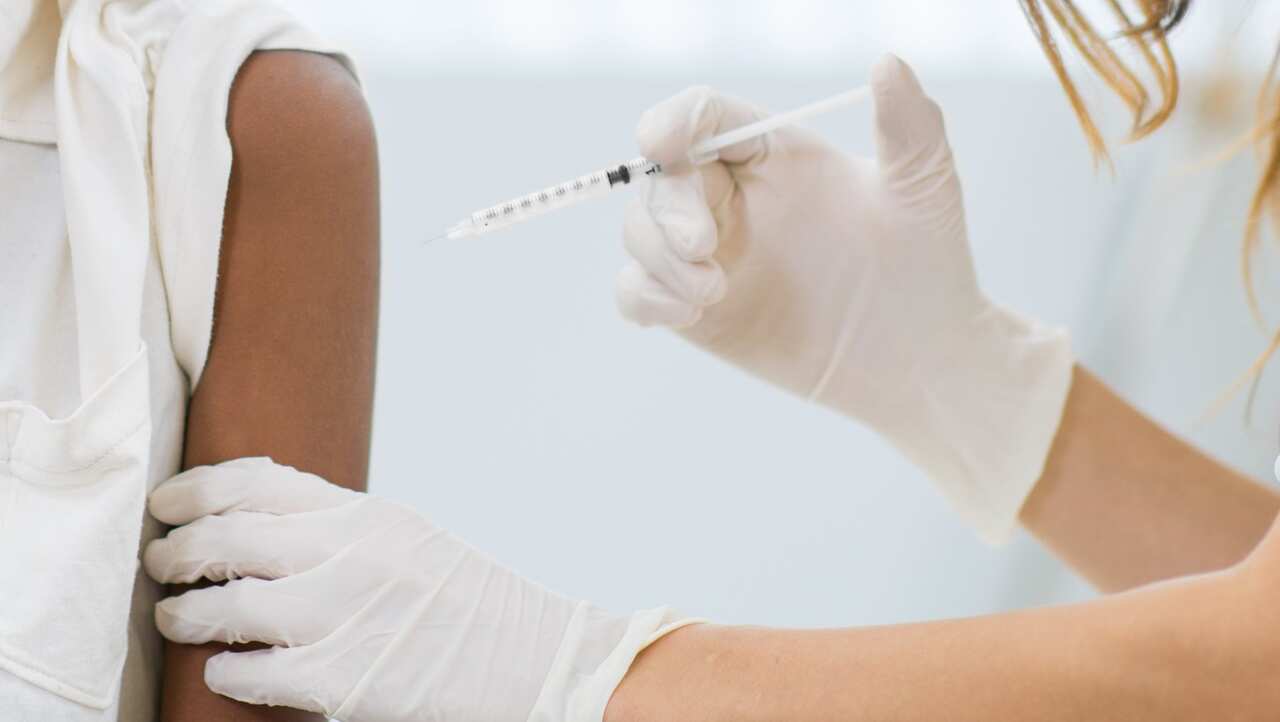
“Two doses of the MMR vaccine provide lifelong protection. Check your vaccination records and if in doubt about whether you’ve had two doses speak with your GP. It is safe to have another MMR vaccine if you don’t have evidence of a second dose. This ensures you’ve got the best possible protection,” says Academy Fellow Professor Ian Frazer FAA, from the University of Queensland.
People under 20 years of age, refugees and other humanitarian entrants of any age, can get measles vaccines for free through the National Immunisation Program if they did not receive the vaccines in childhood.
Tune into SBS Hindi at 5 pm every day and follow us on Facebook and Twitter
Disclaimer: We’d like to point out that the information contained in this segment is general and is not specific advice. If you would like accurate information relevant to your situation, you should ask your health professional.