
Research by the University of New South Wales (UNSW) Business School in Sydney has found there’s science behind binge-eating, eating unhealthy food or splurging in buying things if one is sad.
The term is called ‘hedonic consumption’, says Associate Professor of Marketing Nitika Garg, who has studied the link between sadness and hedonic consumption.
Hedonic consumption
Ms Garg says people often feel like ‘rewarding themselves’ to feel happy when they are sad.
“It’s known in the realm of marketing research as ‘hedonic consumption’ – anytime you do something to feel pleasure, enjoyment or fun.
“When you engage in hedonic consumption, you always have some kind of emotion attached to it.”
“When you’re sad you tend to go for over-consumption – hedonic consumption – as therapy,” she says. “Be it ice cream or a luxury handbag, there are always emotions attached,” she says.
She says a person is less likely to make unhealthy choices when happy.
In her research, the UNSW academic offered both M&Ms and sultanas to happy and sad people.
“Happy people don’t eat M&Ms, but they do eat sultanas a lot more,” she says.

The portrayal of a sad person reaching for a tub of ice cream or shopping to make them feel better, on television screens, is what triggered Ms Garg to study this phenomenon, while she was pursuing her PhD in the United States.
“I saw these scenes that a person binged on ice cream after a break-up or bought expensive or nice stuff when sad, and I wondered why people did that and if it made a difference.
“There was no research on this. I did it myself and it was part of my thesis during my PhD. Over the years, I have studied this more in detail and found the link as well as a solution,” she says.
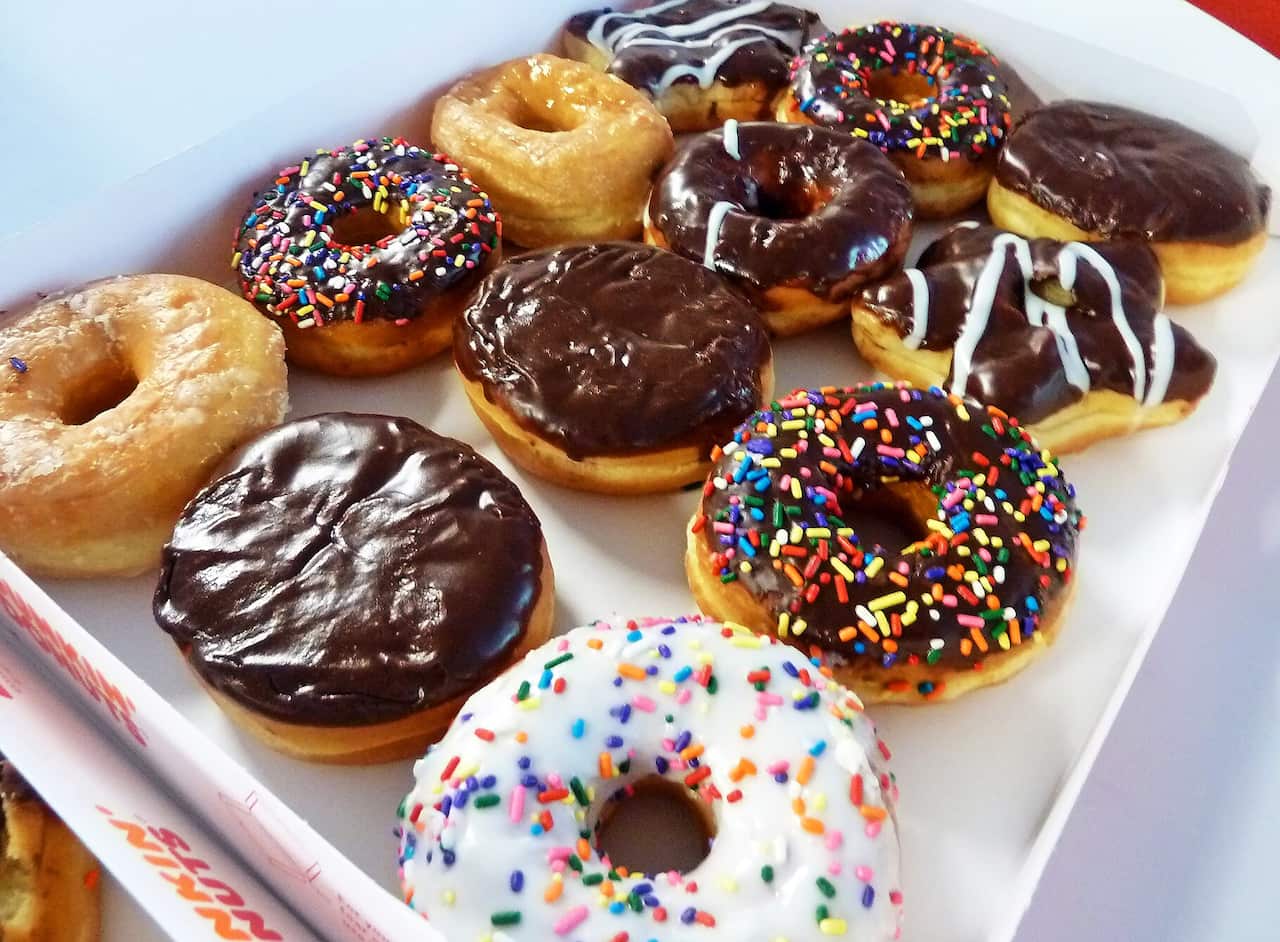
The study 'Misery wants control: The roles of helplessness and choice in the sadness-consumption relationship', contends that it is innate helplessness associated with sadness that links sadness and hedonic consumption.
Nikita Garg, who migrated with her family to Australia in 2011, continued to study this behaviour and in her latest paper, reveals the solution to break this pattern.
“It is as simple as offering the person a choice. When someone is down or sad, they feel helpless. They feel they are not in control. By offering them with a choice or an alternative to binge-eating or unhealthy food or retail therapy, they gain back their control by being able to make that decision on their own,” she says.
So next time you reach for that bar of chocolate or a tub of ice cream, remember to offer yourself a choice.