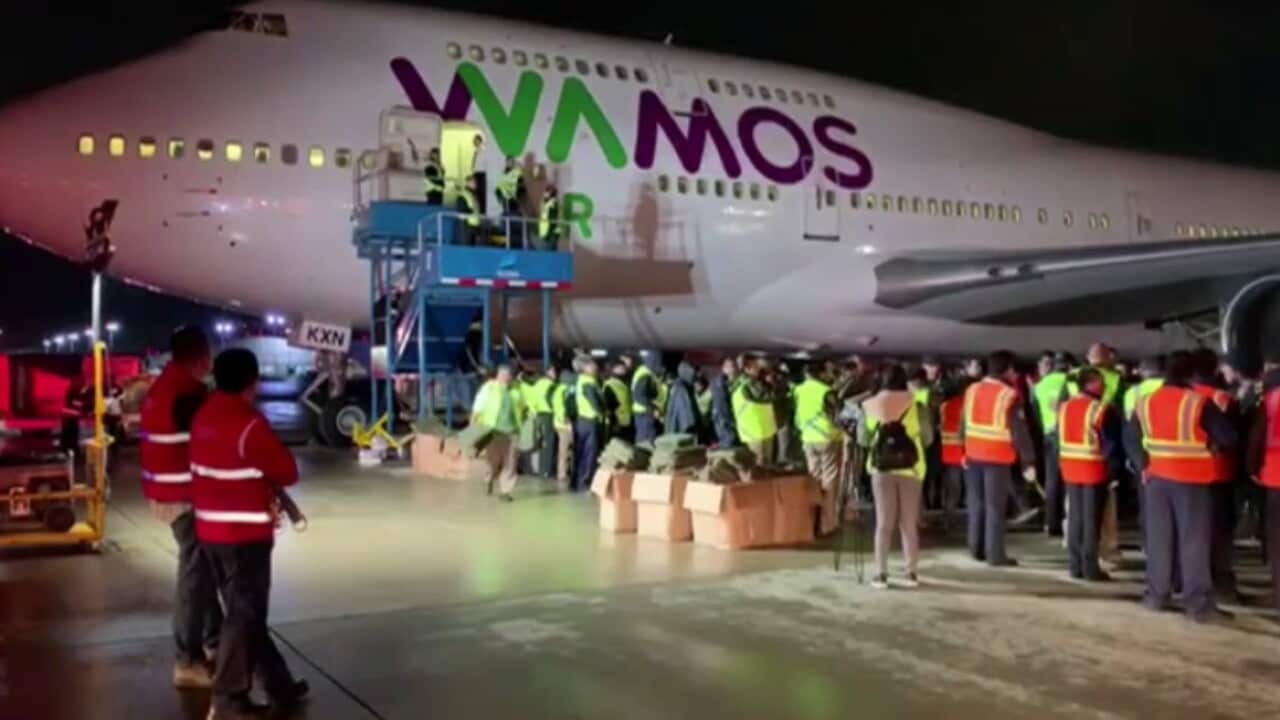
The National Migration Institute (INM), a unit of the government of Mexico, said in a statement that the country has deported 310 males and one female Indian citizens.
"It is unprecedented in INM's history - in either form or the number of people - for a transatlantic air transport like the one carried out on this day," the INM said in a statement.
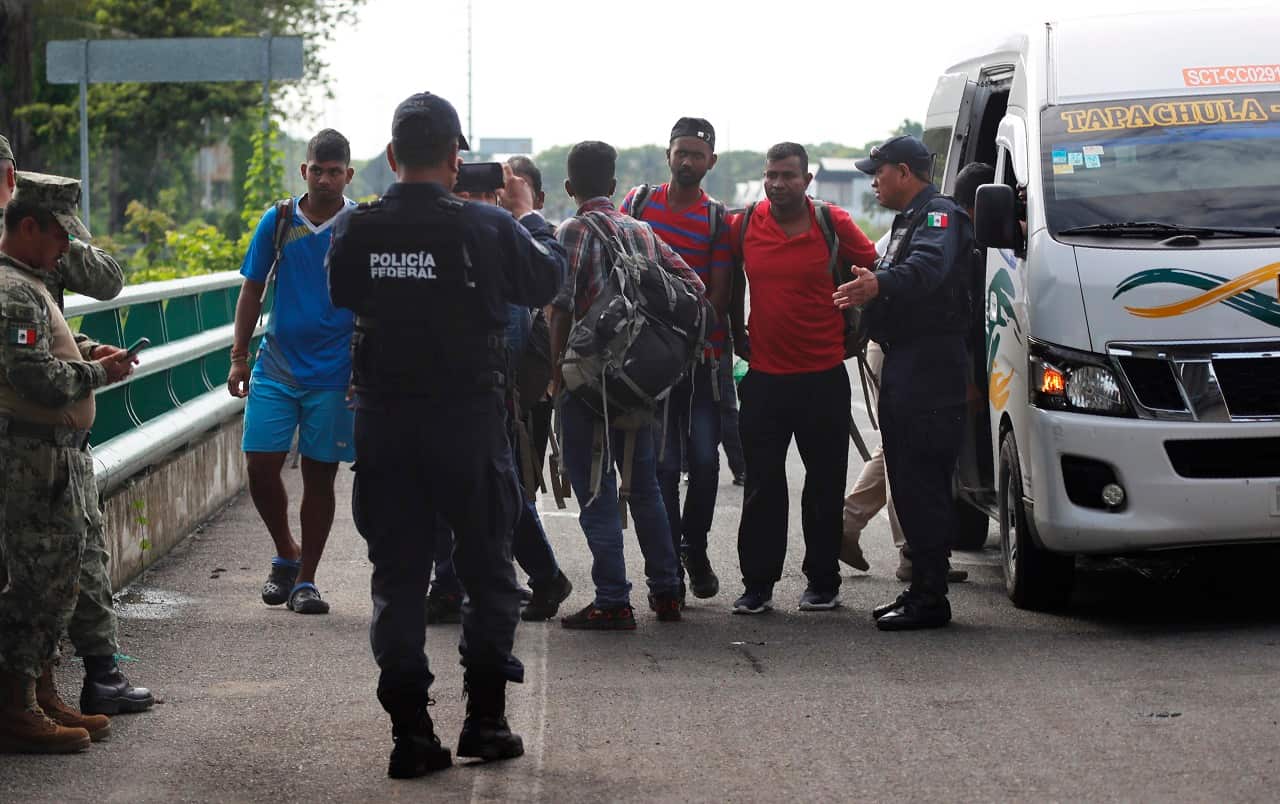
“The citizens of India returned to their country in the best conditions, in order to carry the message to their homeland that Mexico receives all migrants regularly,
"The INM is grateful for the collaboration and communication that it received from the Embassy of India in Mexico, as well as from the National Guard and the Secretariat of Security and Citizen Protection, to carry out the return of foreign people without mishap and with unrestricted respect to human rights," the statement said.
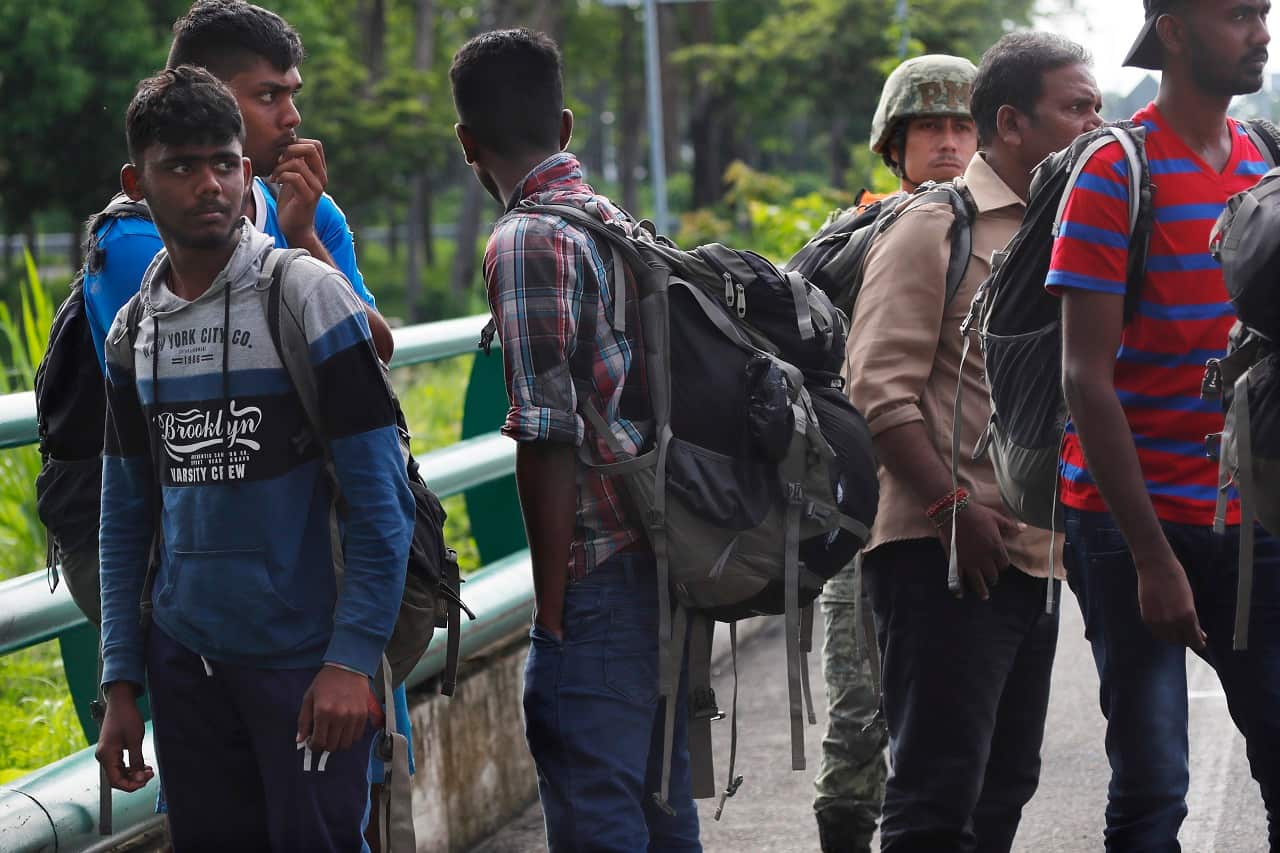
Citizen of many countries, including India, enter Mexico hoping to transit to the US border. The Mexican government had agreed to curb US-bound migration to avoid US tariffs on its exports.
Surge in number of Indians crossing US border
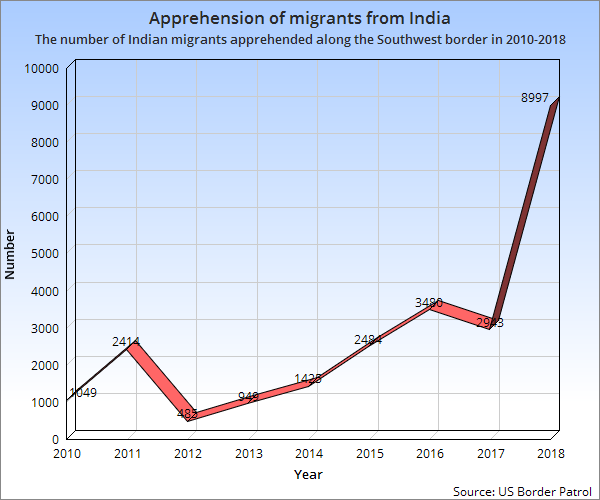
The number of Indians trying to enter the US from the Southwest border has risen significantly in recent years.
A total of 8,997 Indian nationals were apprehended at the US-Mexico border in 2017-2018, over three times from the previous year when 2,943 Indian migrants were apprehended.
In 2015-16, 3,480 Indian nationals were apprehended by US officials.
Michelle Mittelstadt, Director of Communications at the Migration Policy Institute, told SBS Hindi the rise in numbers is a result of a combination of factors.
“The increases undoubtedly are the result of a combination of push factors and pull factors – the latter including the sense that as the Trump administration is seeking to harden the border and build a wall, now might be the time to come before conditions toughen further,” she said.
Though the rise in Indian-origin migrants apprehended at the Southwest border is notable, it is minimal compared to the total number of people apprehended by the authorities.
Most of the people come from Mexico, El Salvador, Guatemala and Honduras. In the current financial year so far, only 7% of total apprehensions at the Southwest border were from other continents.
Michelle Mittelstadt says, “While apprehensions at the US-Mexico border have in recent years been overwhelmingly migrants from the Northern Triangle of Central America (El Salvador, Guatemala, and Honduras), as well as to a much lesser extent Mexico, extra-continental migration has been rising as well.
"Although overall apprehensions fell to a 46-year low in fiscal 2017, with about 304,000 arrests, they have risen significantly since then amid rising migration in particular from Central America, but also beyond the region.”
Indians and others trying to enter the US illegally after making journeys of thousands of kilometres are not very low-skilled people with low education and meagre resources, according to Ms Mittelstadt.
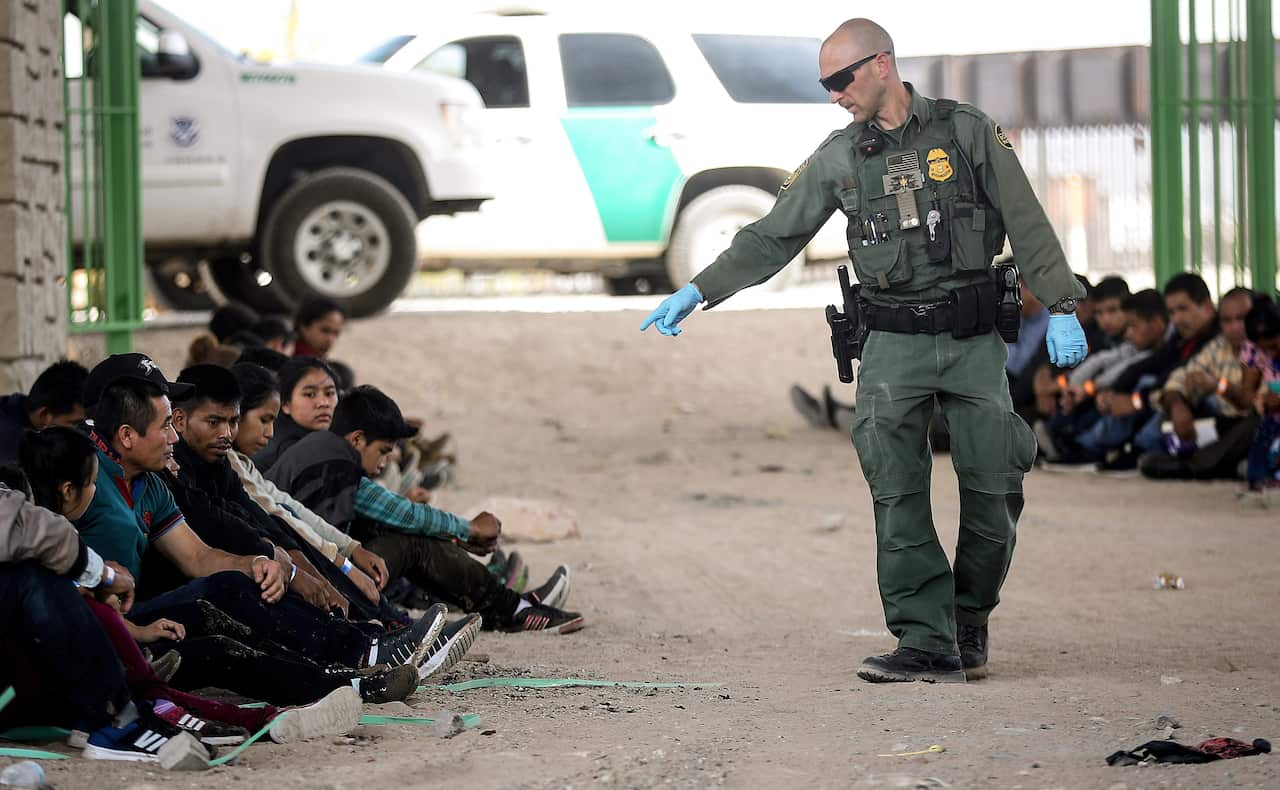
“One of the things that are often poorly understood about migration is that it is rarely the poorest that migrate. It takes resources to migrate, in particular when coming from far-off locations and in an era when increased US border controls have resulted in ever-higher smuggling fees. For Indians and others from Asia, this migration route is likely to involve air travel to places such as Ecuador or Brazil and then travel via a land route with smugglers to the US border through Central America and Mexico.”
According to the US Customs and Border Patrol, there has been a significant increase in the number of unaccompanied children and family members trying to cross the border.
“In May, unaccompanied children and family members made up the majority of apprehensions, with more than 11,000 unaccompanied children and more than 84,000 family members,” US Customs and Border Protection said earlier this year.
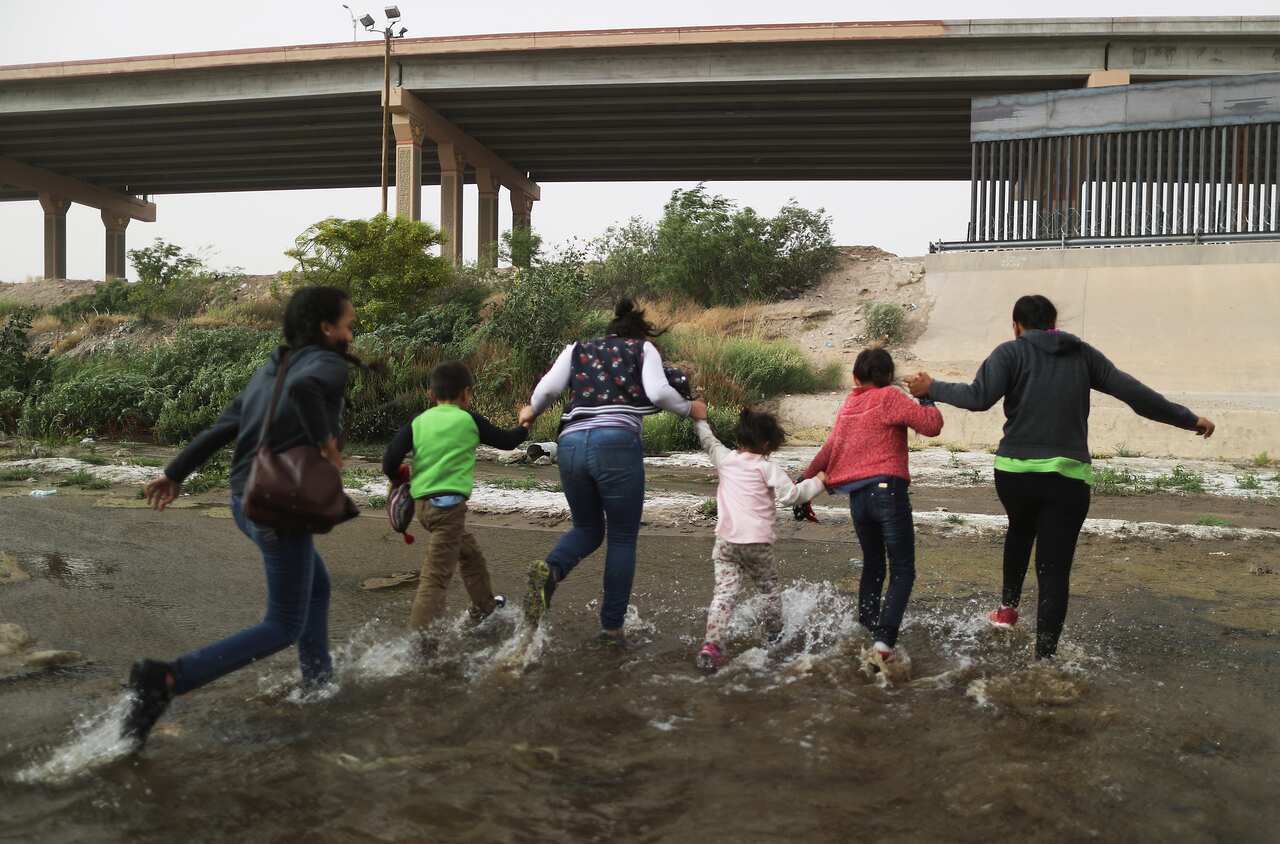
Ms Mittelstadt from the Migration Policy Institute says the smuggling networks are spreading the message that families can enter the US quickly.
“Smuggling and family networks have been quite effective in spreading the word in Central America that US policy and legal rulings make it easier for migrants to enter the United States without prior authorization if accompanied by a child because there are strict rules on the length of time that children can be held in immigration detention. Apparently, the word is getting out beyond Latin America as well,” she said.