How many times have you seen the poor kids in India scavenging for leftover food in rubbish bins or dumping grounds? Your heart sinks but you may walk on, even cover your nose with a handkerchief and hasten your pace.
For 27-year-old Chinu Kwatra, it was something he says he could not walk past.
He says he felt that they needed food and some tender loving care. His concern eventually led him to create the Aarna Foundation, a non-governmental organisation working to help underprivileged and orphaned children, together with Akshay Mandhare.
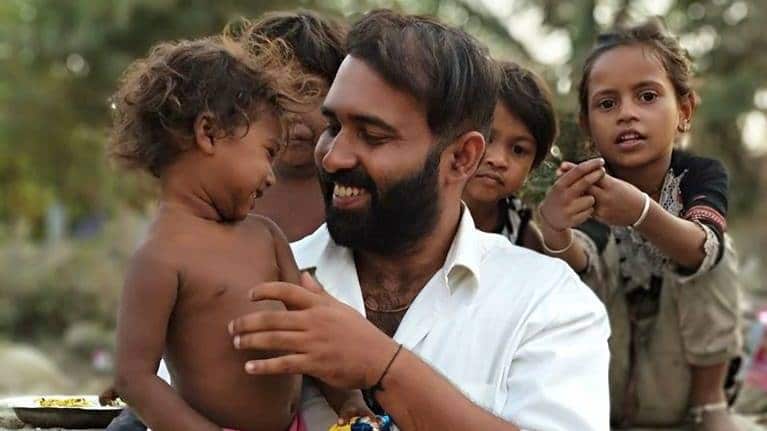
"Normally people are a bit hesitant to help these helpless kids" Chinu says, "because they come running towards you and people think if they give them attention the kids will stick to you but that’s not true.
"These underprivileged kids come running to you because they seek your love. They are absolutely lovely kids.”
Chinu surveyed an area near a rubbish dumping ground and found that some of the kids had only one parent, some were orphans. Some had mother’s who would go rag picking all day and little kids were left alone at home, a few attended school, many did not.
A man with a goal, Chinu says, “India is a developing country since the last 27 years and till today it has remained a ‘developing” country… why not all youngsters come out and give some time to social service… the country will then go really far.”
“Roti Ghar”
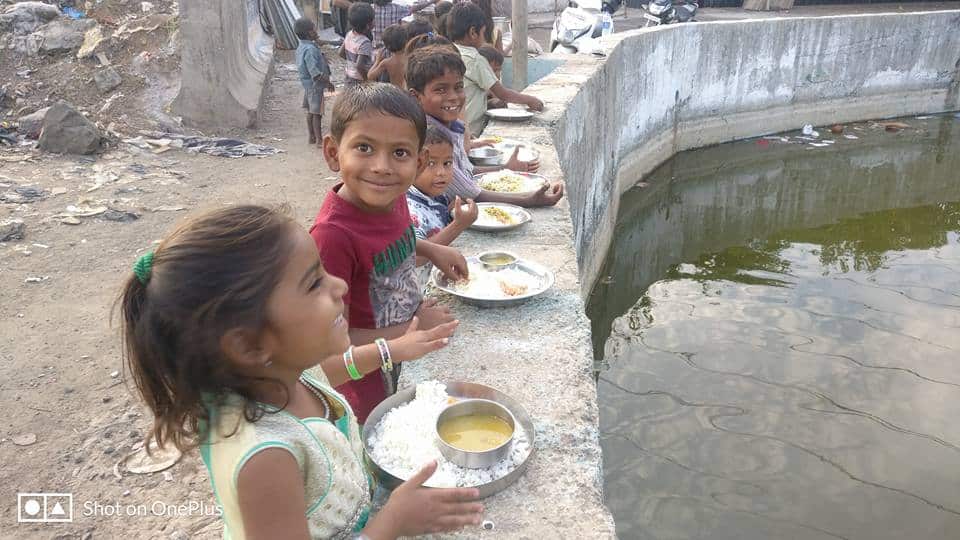
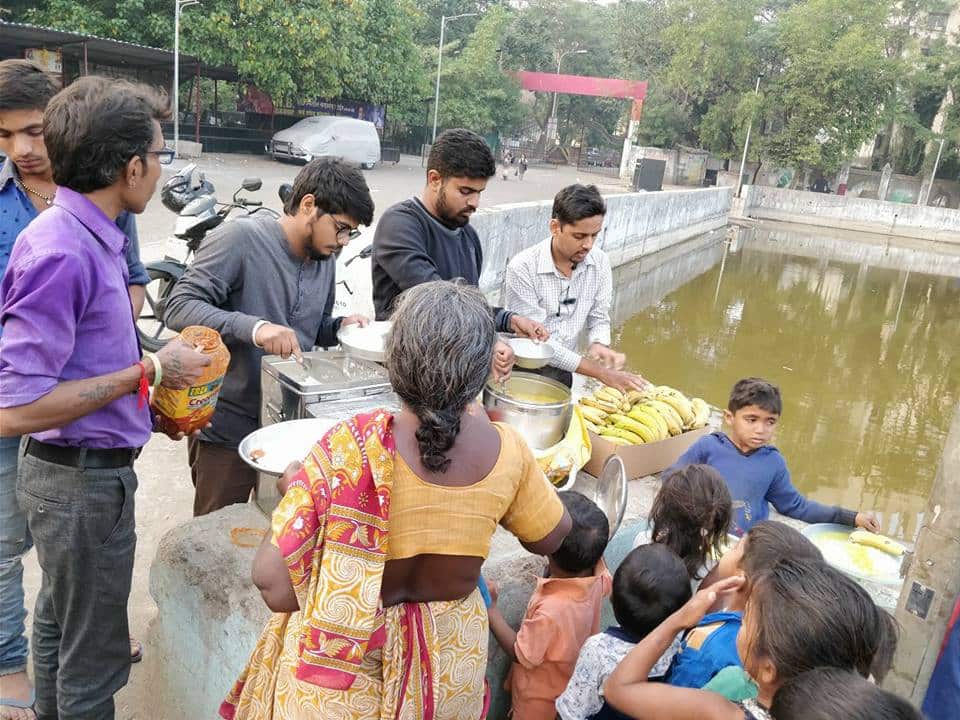
Together with a band of growing volunteers they feed at least 100 underprivileged kids and women. Not only do they feed them for no cost, they even mentor them and teach them hygiene.
The kids are asked to bring their own plates so that they are not served in disposable plates. Chinu is most mindful of the environment as well. The meal is a simple fare of dal and rice with some pickle. Through donations, on special days such as anniversaries and birthdays, the kids enjoy a slice of cake once a week and now even get a boiled egg once a week, too. Roti Ghar spends about Rs 3,500 daily to feed these kids and most of the money comes through well-wishers and donors.
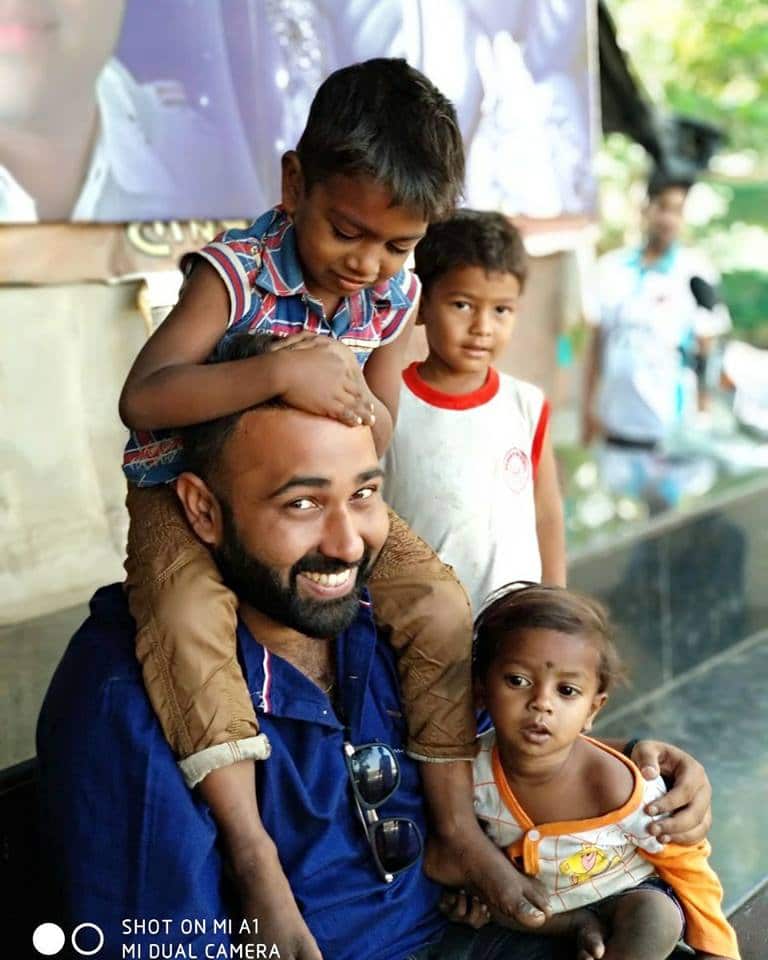
Chinu says that to begin with some of them were shy and some would snatch the food but gradually they set some ground rules and taught them to form a queue. They are also taught the basic rule of washing their hands before they eat. His mission is not just the distribution of free food but the development, also, of these youngsters as complete human beings.
Today Chinu’s NGO fulfils the education needs of more than 700 children.
Lakshmi is one such kid studying in class four, she can speak well but cannot write. At home she is very keen to learn but every time she opens her books she is asked to complete some household chore or go and fill a bucket of water from a tap 2 kilometres away.
Chinu and his volunteers are teaching Laksmhi and being the keen student she is, Lakshmi gets ready with her books before her teachers arrive.
Chinu also tells the story of Yash who is a two-and-a-half years old. The volunteer doctors said the child suffered from depression. Yash showed no human emotions of a child; he never smiled or laughed or even cried. Yash had never received the warmth of the parental touch or been cuddled or nurtured. The group of volunteers has slowly brought Yash around by carrying him, feeding him and expressing their love for him. Within four months Yash has turned into a happy healthy kid, smiling and running around.
Chinu ends by saying it’s most satisfying to see, “we have given that little child a bit of life and brought a little bit of a smile to his lips.”