India’s tallest statue, the 597 feet tall Statue of Unity, has been named among TIME magazine’s 100 greatest places in the world.
The statue, modelled on India’s first Deputy Prime Minister, Sardar Vallabhbhai Patel, towers over the Sardar Sarovar Dam in Gujarat, located in India’s West.
The Indian Prime Minister Narendra Modi who inaugurated the Statue of Unity on Patel’s birth anniversary on October 31, 2018, called it ‘excellent news’ and said he was ‘glad that is emerging as a popular tourist spot’.
More than 2 million tourists have visited the statue which is less than a year old.
The other Indian spot to make it to TIME’s list of 100 greatest places is Mumbai’s chic Soho House located overlooking the Arabian Sea. The place houses a library, a small cinema, a rooftop bar and a pool.
Three Australian wonders listed in TIME’s 100 greatest places list
The Australian places which have found a place in TIME’s 100 greatest places list include Uluru-Kata Tjuta National Park, Discovery Rottnest Island and the restaurant, Barn by Biota.
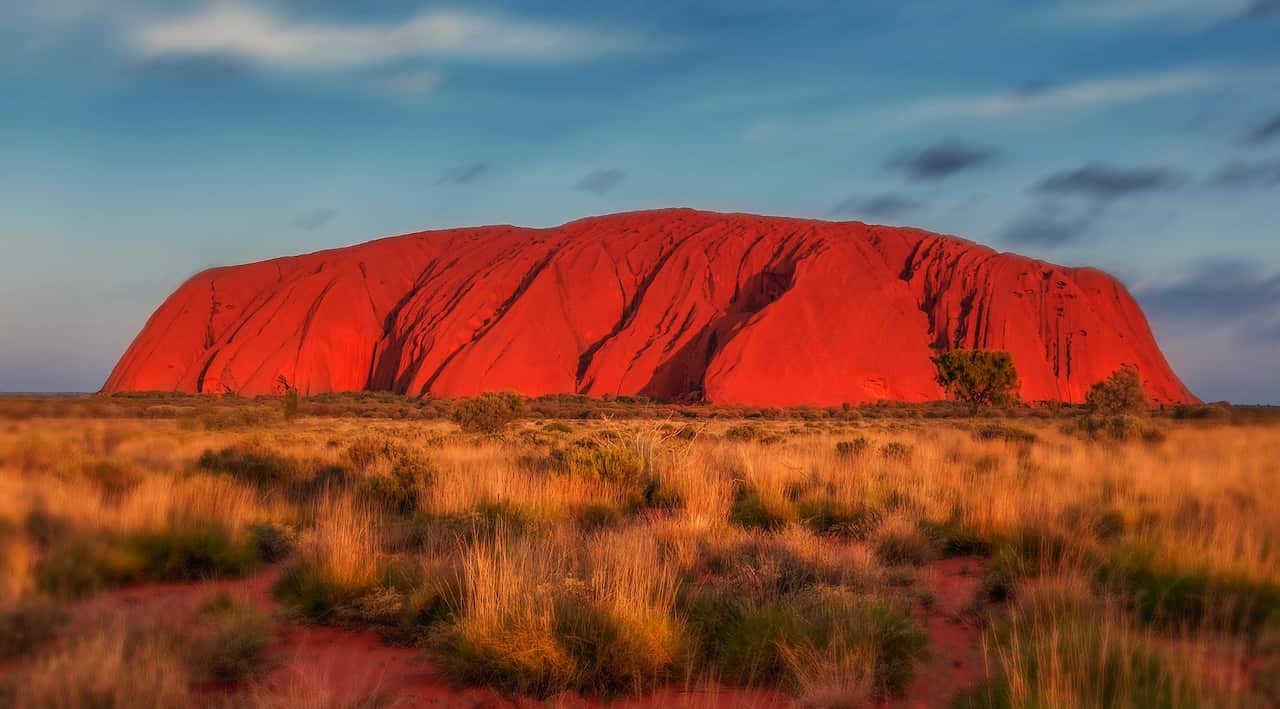
The red sandstone monolith called Uluru that towers over the outback’s desert plains is a UNESCO World Heritage Site and sacred to the Aboriginal People who have lived on the land for tens of thousands of years.
While visitors are still climbing the site, Uluru will be closed to climbing in October this year to ensure the monument ‘sustains no further human damage’.
The other Australian wonder which has named by TIME magazine is Rottnest Island that was discovered by a Dutch explorer who named it after what he believed was a community of rats living on the island. Discovery Rottnest Island draws hundreds of thousands of tourists each year which is home to over 10,000 quokkas – rare and adorable marsupials who have been dubbed world’s happiest animal.
A unique Australian restaurant by James Viles too has made its mark this year. Barn by Biota located in New South Wales’ Southern Highlands boasts of the hyperlocal kitchen where the ingredients are sourced from surrounding lands.
‘But there’s a catch: you’ll have to book at least a month in advance to nab a spot at the roughly twice-a-month family-style meals, which might feature Angus beef cooked over the fallen-tree-coal fire or honey collected from the hives,’ describes TIME.
Tune into SBS Hindi at 5 pm every day and follow us on Facebook and Twitter