Victoria is going to polls for the first time since COVID-19 disrupted the world.
Over 1,600 voting centres will open tomorrow while 155 early voting centres have already been operating across the state since 14 November. The Victorian Electoral Commission (VEC) says that more than one in three eligible Victorians has already voted.
So, what are political analysts predicting?
According to a special Roy Morgan Snap SMS Poll which was conducted with 1,195 Victorian electors on 22 November, the ALP on 55 per cent (down 2 per cent points since early November) has an election-winning lead over the LNP Coalition on 45 per cent (up 2 per cent points), on a two-party preferred basis.
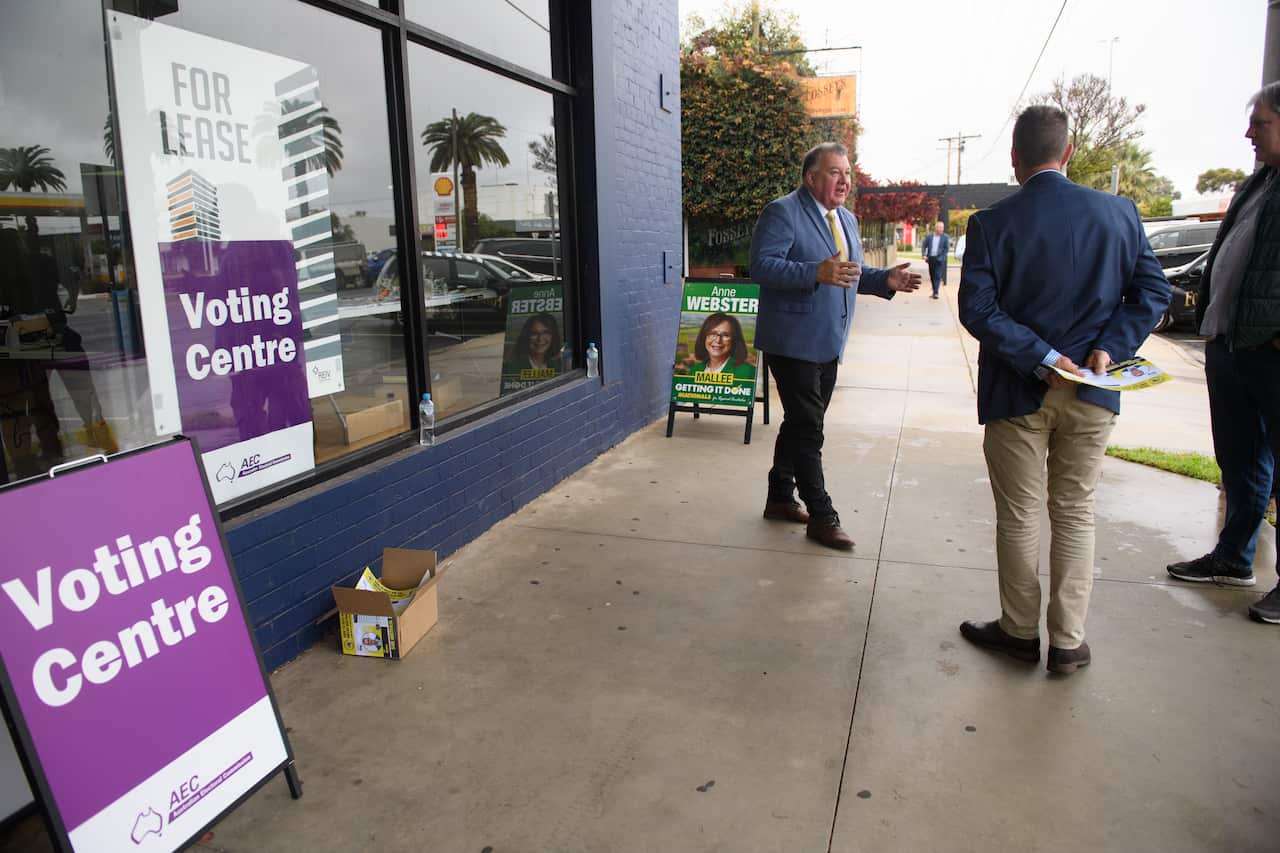
This latest poll has indicated a swing of 2.3 per cent points away from the ALP since the 2018 state election.
Zareh Ghazarian, a senior lecturer in politics at Monash University, tells SBS Hindi that recent opinion polls have consistently shown Labor winning the election in Victoria.
“While there may be a swing against the government, opinion polling hasn’t suggested that it will be enough to cause a change of government.
“Education, healthcare and public transport have been major issues that the parties have focused on. These are traditional areas of focus for state governments,” he says.
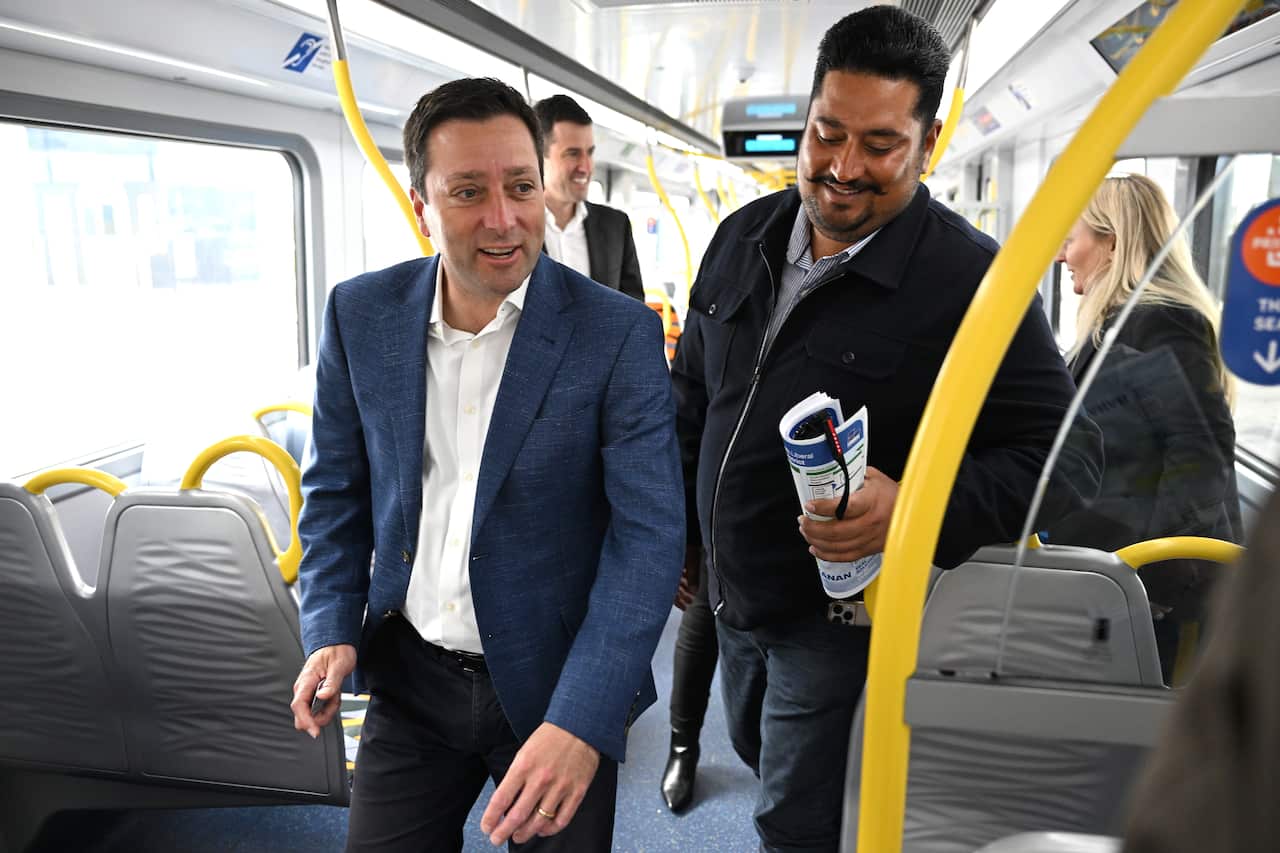
Berwick, located in the city of Casey, is one of several seats to watch closely on election night to determine whether the ALP Government led by Premier Daniel Andrews is returned with a majority or not.
Mr Zareh points to the latest census which found that 9.3 percent of Casey's residents are of Indian descent.
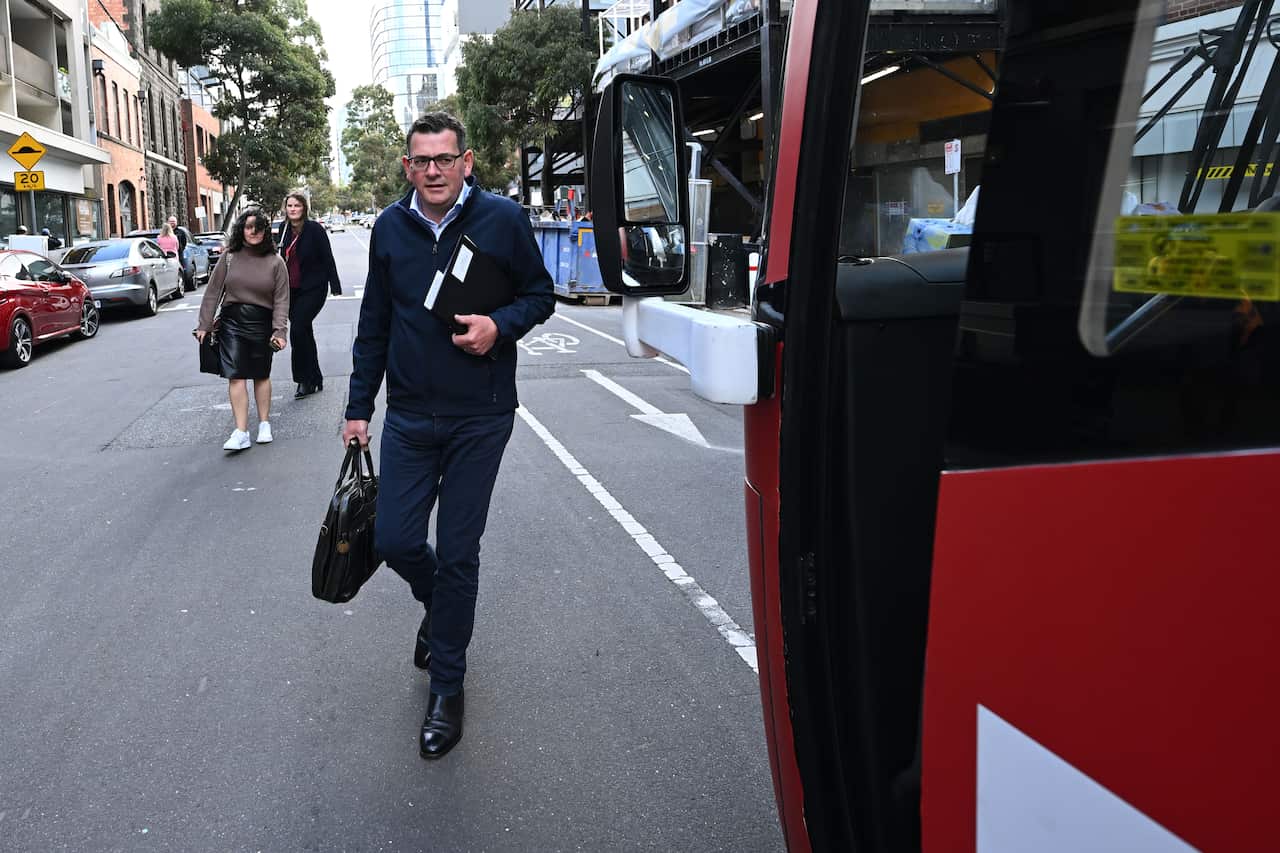
“This is a significant seat as it is currently held by the Liberal Party with a very slim majority of just 1.3 per cent. The Liberal Party must hold onto this seat if it has any chance of winning government, making every vote crucial," he said.
But what are voters saying?
Mother of two Tharsini Mathy, 39, is a voter in Berwick.
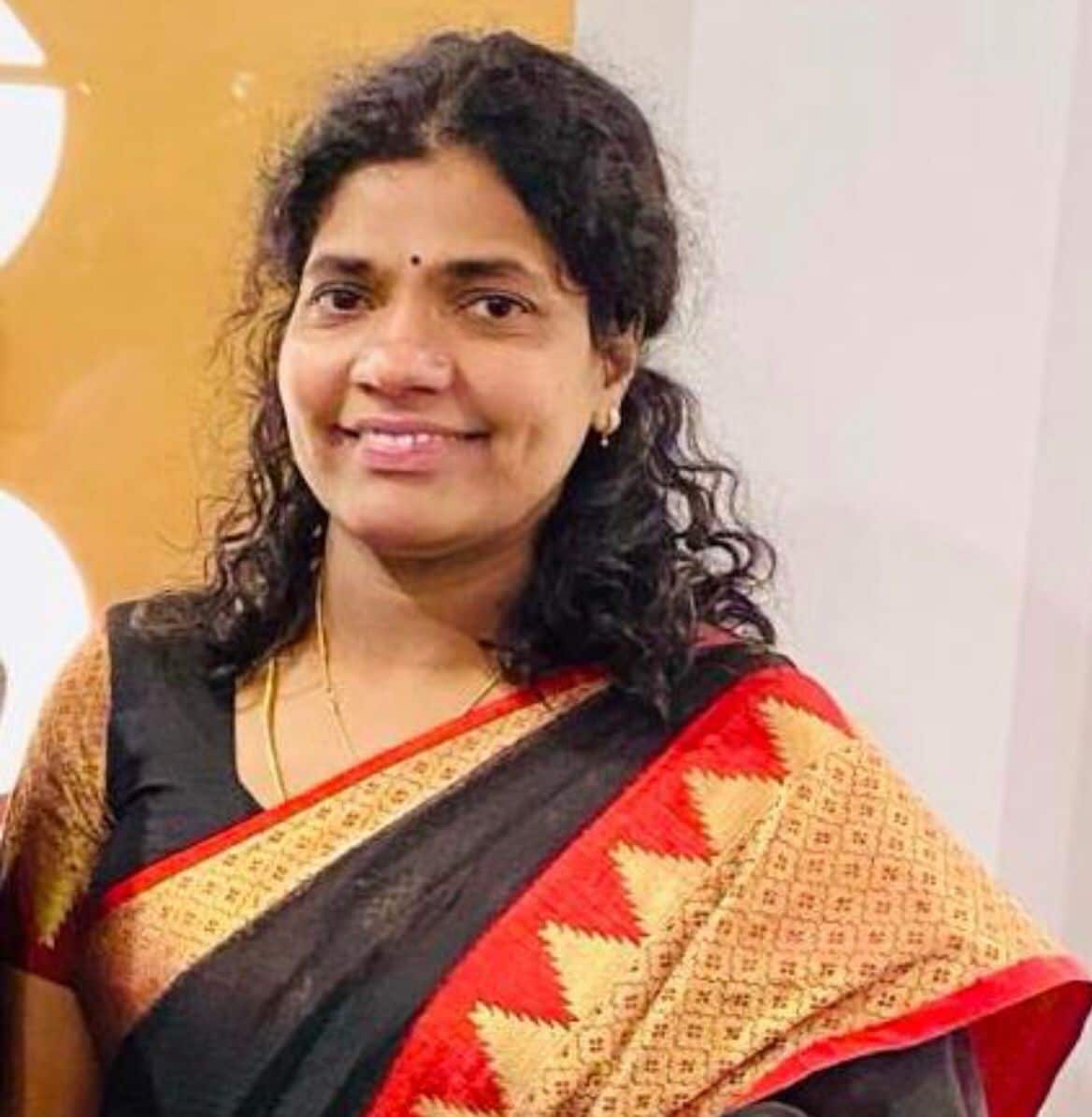
The major concerns for her are the cost of living, fuel price and rising mortgage rates.
"There have been numerous schools and hospitals built in the Casey region in recent years, but we need to address the cost of living now," she comments.
Thirty-four-year-old Manthan Parikh shares a similar view and says he would like more policies that offer relief from cost-of-living pressures.

"We also need better roads and more support for business owners who have faced enough post-COVID," Mr Parikh adds.
Shikha Raina, 18, is a first-time voter from Bundoora.

She too says her vote will be for policies that will lower the cost of living but which will have long-term effectiveness.
Ms Shikha says, "Inflation is high. I will research the policies of the parties before I vote, but my focus will be long-term economic growth and sustainability including climate change."
Aaryan Kaul, a 20-year-old university student, believes that an increase in wages will help eliminate costs of living pressures.
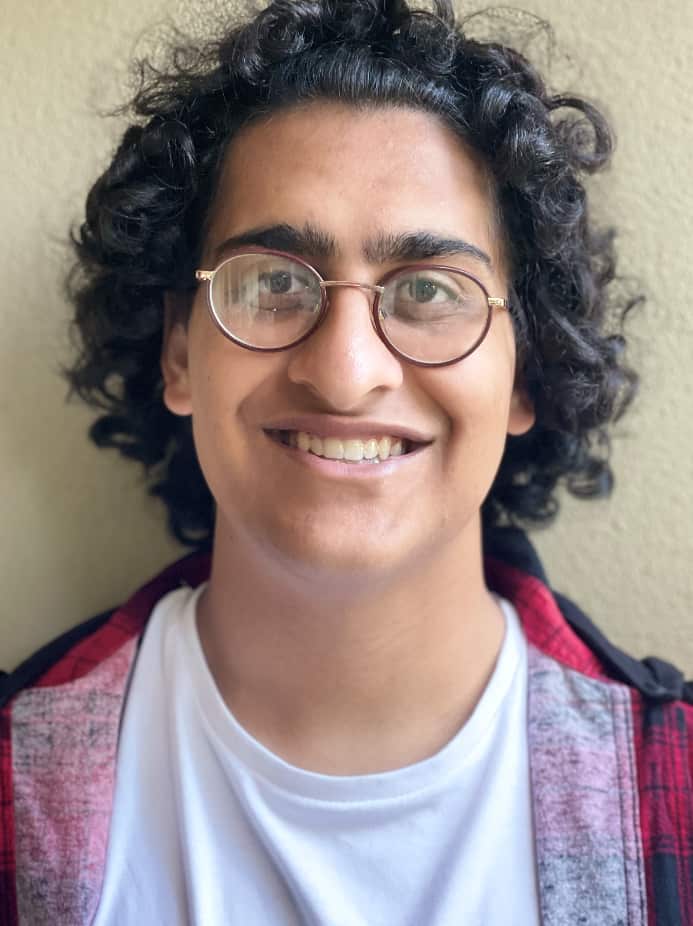
Having researched which political party would be more aligned to address cost of living, he has already voted. "I expect the new government will take steps to increase wages," he said.
Tune into SBS Hindi at 5 pm every day and follow us on Facebook and Twitter.