
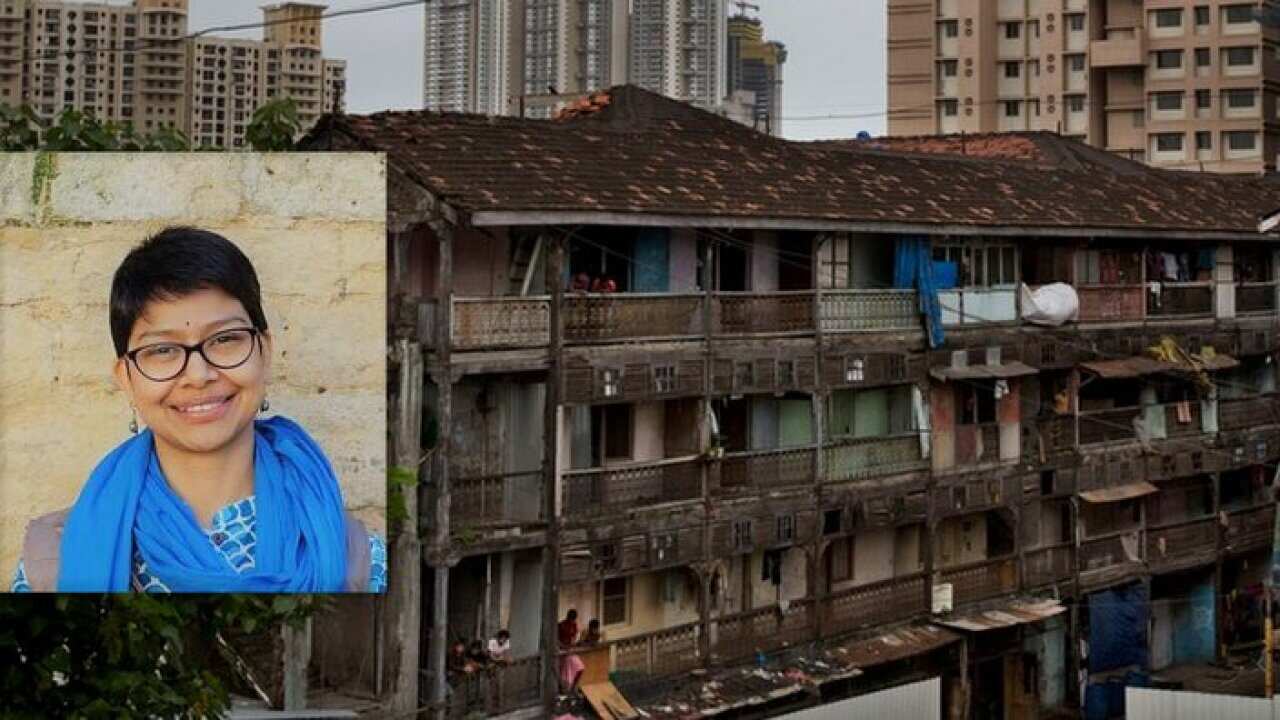

Alifya Loharchalwala proudly admits she grew up in the humble Loharchaal or "chawl" of Mumbai, but her determination to make a change to her life and that of other women is an inspiring story.
Alifya Loharchalwala's story is about the long road from a 'chawl' to studying at Oxford and returning home to India to make a change.
Loharchaal is located at Mohammad Ali road of Mumbai, an area which has witnessed many a communal riot. The riots of 1992 particularly impacted the lives of the people living there; men had to close down their business and move elsewhere, kids going to school were disturbed and had to miss months of school and women, too, were impacted by the disturbances.
Alifya tells SBS Hindi about living in the chawl: "it's just a higher version of a slum where entire families live out of one single room and share a common toilet with the rest of the community living there."
Women did not have much of an exposure to higher education but Alifya's mother herself was an educated lady and was determined for her children to make something of their lives. Most of the girls Alifya knew were married off at 16 and some even had kids.
However, Alifya wanted to make her own path in life and although she was encouraged to pursue higher education, she faced many obstacles such as her mother's illness.
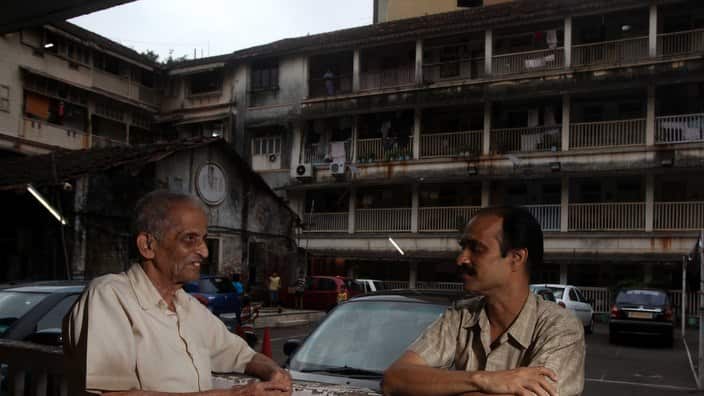
Alifya says she was happy to look after her mother who was schizophrenic, but she did not want to do so at the expense of her studies; she often had to miss college to look after the household.
However, nothing deterred her from acquiring an MBA and Alifya also founded a startup for women's literacy and worked with various NGO's to assist in women's education.
That's where she started meeting inspiring personalities and role models, who had acquired education overseas.
In 2015 Alifya applied to Oxford.
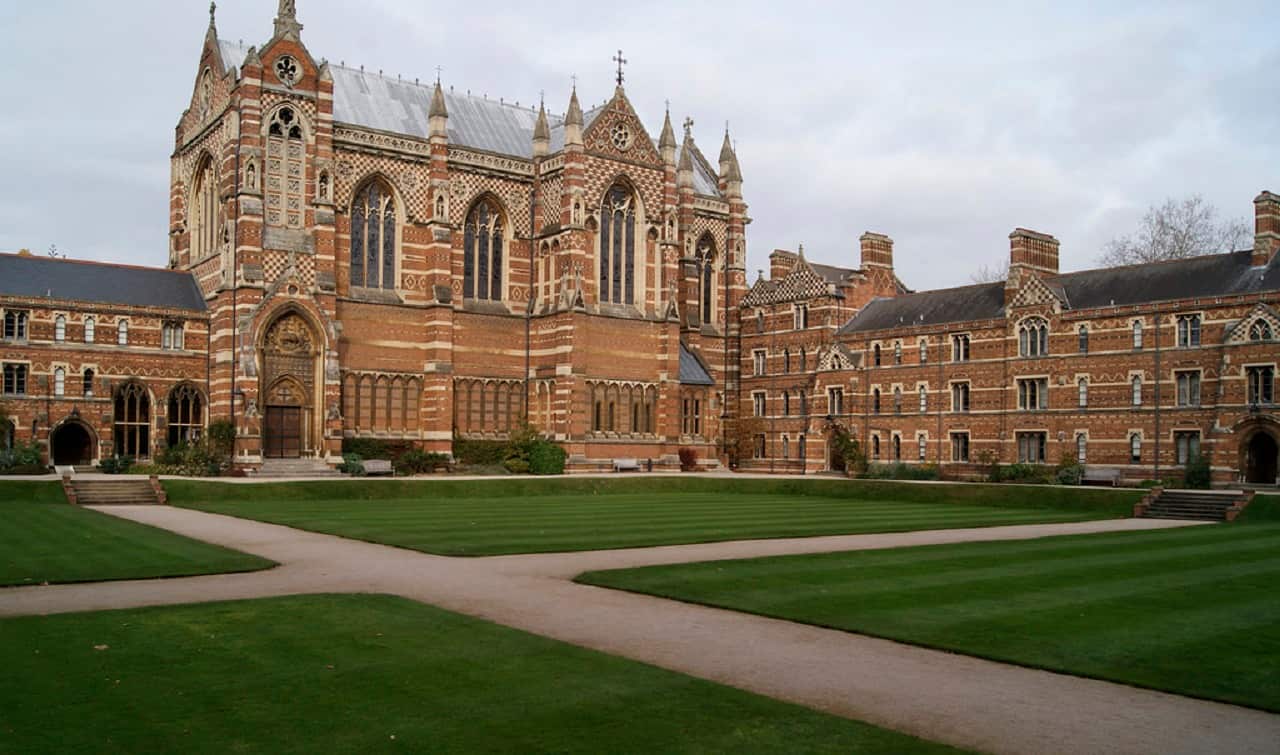
"Fortunately, in giving scholarships and placements at Oxford, personal stories and experiences are more valued than academic achievements. I had a lot of referrals from the various organizations I had worked with, and that helped me acquire a full scholarship to Oxford. Alifya got a degree in "Women's Studies" in 2017 and has since returned to India to help other women though she could have easily got a job abroad.
Alifya says she did not realize that marginalization has various layers, "it can be poverty, or being a woman or coming from a class that is socially stigmatised or even not wanting to pursue the profession your parents are in."
She says she believes that one should not accept things as they are, one has to learn to negotiate in life.
"Negotiation is a life skill not taught at school but should be included in education at a young age, especially for girls," she says.