


Skin cancers are now the third-most common cancer among Australians.
Can dark-skinned or brown skin people get skin cancer?
The simple answer is a 'yes'.
Statistics from the Cancer Council reveal that two out of three Australians are likely to get skin cancer by 70 years of age. There were around 2000 deaths in Australia due to skin cancers in the year 2015.
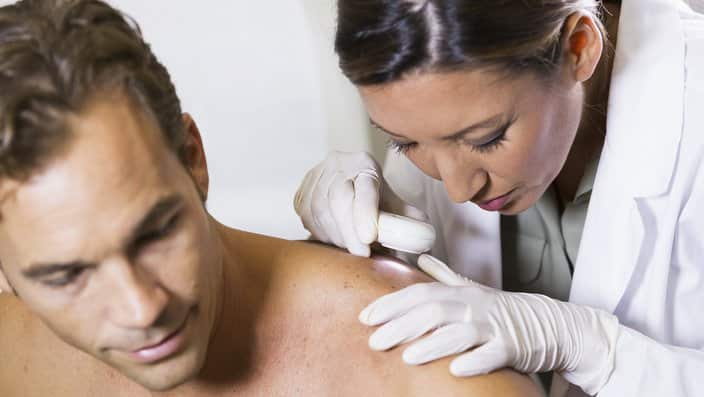
Melbourne based dermatologist Dr Pooja Sharma says that it is a myth that darker skinned people are safe in sun in Australia.
"The main reason for this cancer is exposure to the harmful rays of the sun. While melanin is protective in preventing sun damage, even dark-skinned people are at risk of sun damage and skin cancers,” she told SBS Hindi.
She says Australians are at more risk.
“The main reason for these skin cancers is the harmful effects of the sunʼs ultraviolet radiation in the form of UVA and UVB. Thinning of the ozone layer, an elliptical axis of earthʼs rotation thereby reducing the distance from the sun and lack of pollution/particulate matter in the atmosphere are all responsible for increased UV gradient in Australia.”
According to Cancer Council, sunburn causes 95% of melanomas, the most deadly form of skin cancer.
Out of three main types of skin cancers i.e. Melanoma, Base cell carcinoma ( BCC) and Squamous cell carcinoma (SCC), Melanomas can spread to involve other organs even when the depth of melanoma in skin is as little as 1 mm.
Early identification of skin cancers plays an important role in the management and future prognosis.
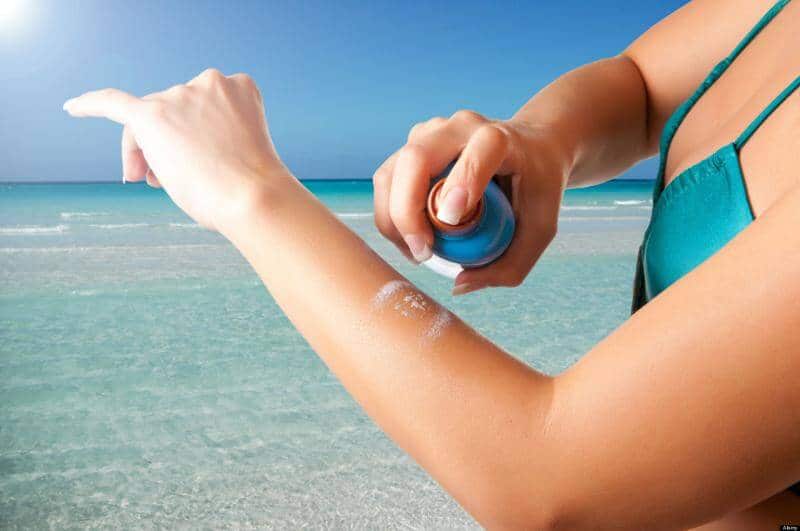
Dr Sharma says, “A changing mole or pigmentation on the skin within a short span of 2-6 months is an important indication of a possibility of a melanoma. While sun exposed and sun burnt skin areas are common sites in caucasians, palms, soles and nail beds are more likely to be involved in coloured skin, particularly Asian Indians.”
Any mole which is elevated, has appeared recently, changes colour and size, and is growing into more than 6mm requires consultation with the doctor.
Most of these cancers are easily treated with surgery or other methods. Early diagnosis makes treatment easier.
Dr Sharma advises that sun protection should be a part of your daily regime, especially in summers as this protects not only from skin cancers but delays skin ageing.
She adds, “All smartphones have weather apps. Checking the UV gradient will help decide about sun protection.”
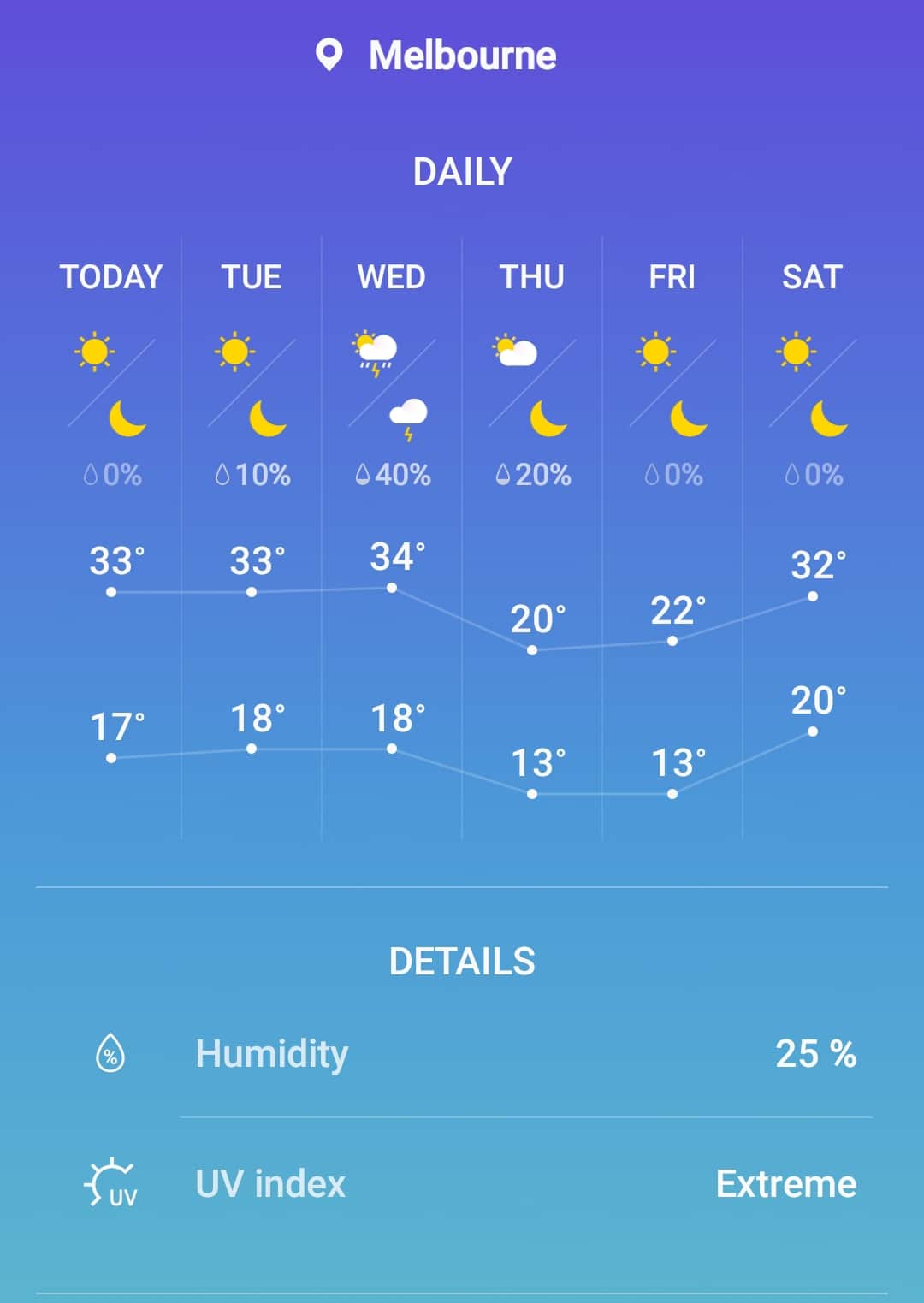
Cancer Council advises sun protection when UV gradient is 3 or more.
Broad spectrum sunscreen with at least 30+ SPF should be applied to sun-exposed skin, 20 minutes before going out and reapplied every 2 -3 hourly.
It is important to protect skin from the sun when outside, by using hats, umbrellas, wearing full sleeves clothes and sunglasses.
Also, a regular skin surveillance every 3-4 months by standing in front of a full-length mirror should be done for any abnormal spots on the skin. Any suspicious spots should be discussed with the doctors without delay, she says.