
More Australians are in line to obtain secure employment, with changes from the Fair Work Ombudsman now in effect as of October the 1st 2018. The Australian Council of Trade Unions has welcomed the changes, but it says there still may be employees who miss out.
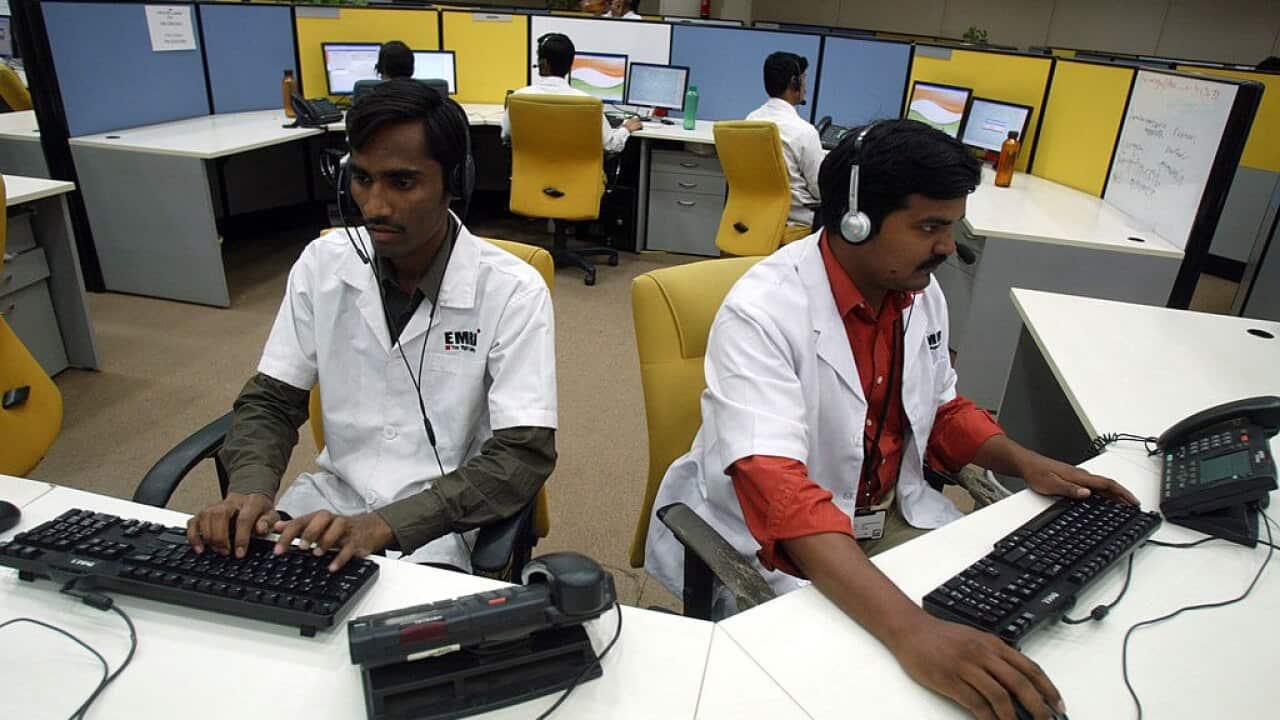
Casual employees who have worked regular hours for at least a year now have the right to ask their employers for permanent contracts.
Last year's ruling from the Fair Work Ombudsman, which came into effect on Monday, ((oct 1)) says people working as regular casual employees are entitled to request their employment be converted to full-time or part-time.
A regular casual employee is someone who has worked a pattern of hours on an ongoing basis for at least 12 months.
For full-time work, that would be working an average of 38 hours or more per week across the year.
A regular casual employee who works fewer than 38 hours on average per week could request permanent part-time.
Unions have welcomed the changes to the 70 award brackets, saying it gives the rights back to many workers.
Australian Council of Trade Unions ((ACTU)) president Michelle O'Neill says every employee should be able to have secure work.
"Many unions are already doing this every day, all over Australia, in all sorts of industries, assisting workers (to) move into permanent, full-time and secure employment, which is what most workers want. I mean, some people will say, 'No, I want to stay as a casual.' This doesn't oblige you to convert to permanent if you want to stay as a casual. But the majority of workers that we find and the majority of union members are really looking for the security of permanent employment. And this is a very important change."
There are protections for employers.
Bosses are reasonably allowed to reject a request if it would require a significant adjustment to the employee's hours, if the employee's position will cease to exist, or if the number of hours required for the position will decline within 12 months.
Ms O'Neill says companies would also benefit from more permanent employees.
"The investment you make, in terms of giving people training and support to learn the job, is going to pay off, because the workers are more likely to stay in your employment. It also is really important for morale. Insecurity is a terrible thing, so not knowing whether you're going to have a job tomorrow or next week really affects the whole culture of a workplace and how people feel about working there. So there's many benefits for employers and businesses as well to having more permanent, secure employment."
Melbourne 22-year-old Ben Jamieson Hoare is one of the many Australian workers who have been in casual positions for an extended period of time.
He says he works between 20 and 40 hours per week across a series of jobs and is not looking to change his status.
"I've been working in customer service at the Melbourne Convention and Exhibition Centre just about to hit two years now, in mid-October. And I've also been recently working at Arts Centre Melbourne for about four months now. And I guess the main thing with casual work for me is the flexibility and freedom of it."
Mr Jamieson Hoare says his casual employment lets him work around his passion for acting and the creative arts.
But he says there are downsides.
"Sometimes the hours can get quite ridiculous, especially between jobs. With me at the moment, I can be working a 6:30am until 1:30pm shift in the morning and then going off and working a 10(pm) till midnight shift somewhere else. And it comes back to the whole personal care, and you sort of end up wearing yourself down."
Mr Jamieson Hoare, like many other young Australians, is also using his casual employment as a gateway to more career opportunities.
"Working at somewhere like Arts Centre Melbourne now has created heaps more connections for me. You're completely thrown into the deep end of a creative-arts environment, where the people who also work with you are creative artists as well. So there's great potential for networking, because it's casual and everyone else is casual, does a hundred other different things as well. You're generally meeting like-minded people who may open doors and possibilities in the future for you."
David Peetz is a professor of employment relations at Queensland's Griffith University and says Mr Jamieson Hoare's experience is similar to many others in the workplace.
"It's a bit of a rort in Australia, in the sense that it means that a quarter of the workforce hasn't been covered by annual-leave or sick-leave entitlements, which, in most countries, if you've got an annual-leave entitlement, it applies universally. It's not to just three-quarters of the workforce."
Mr Peetz says the casualisation of the workforce has impacted the lives of Australians from different demographics, including older people and migrants.
"There's certainly disproportionately a lot of young people, particularly students, who will be doing casual work. But, really, the majority of casual workers, they're not students, they're not all that young. Well, they're not under 25 or whatever. There's a range of people who are doing casual work."
Michelle O'Neill from the ACTU says there is still more work to be done to ensure secure work becomes the norm in Australia.
"Every worker should have the right to be able to accrue leave entitlements, have the security of knowing that their job's there in the future and they can't be easily gotten rid of. So this is an important change to introduce it into these 70 awards. But we actually want to see something that covers every worker and a clear definition put into the Fair Work Act."