

Sunil Badami's parents, both doctors, migrated from India to Australia in the 1970s.
Sydney-based Indian-origin writer and radio broadcaster Sunil Badami says - “When, at 25, I went to India around Deepavali (or Diwali) for the first time in a decade, I was astounded by the noise and colour, the same harried parents and excited kids rushing from shop to shop to buy armloads of sweets and presents, the crowds and the joy…everything I’d missed growing up.”
Sunil’s parents, both doctors, migrated from India to Australia in the 1970s.
He says that 1970s was the assimilationist Australia and Diwali celebrations were subdued – a family affair.
He remembers – “We’d all gather at someone’s house if we were lucky, or light our lonely little lamps if we weren’t, my mother blessing us with a new shirt and a couple of the bungers she’d bought for Guy Fawkes Night to let off on the yellowing lawn.”
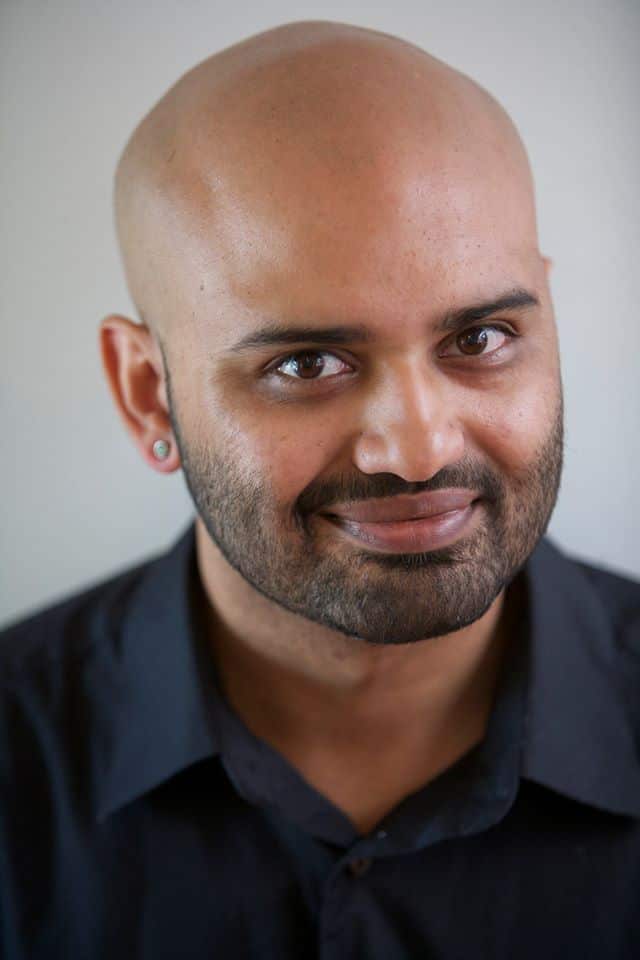
In late 1970s and early 1980s, there was a very small Indian community in Sydney.
“In those days, we had to disavow our Indianness to embrace our Australianness – although it was never quite enough. We were always reminded, as we were constantly asked where we were really from, that we really didn’t belong – even my brother and I, both born here, only speaking English in Aussie accents. What we knew of our Hindu heritage was from the half-remembered stories our mother told us, or dog-eared Indian comics our relatives would send us,” adds Sunil.
Sunil’s family is continuing the tradition of celebrating Diwali along with major festivals of other communities.
“My children make no distinction between Chinese New Year yum cha with their Australian-born Chinese por por and Christmas with their Hindu bappamma, any more than they do between the Anglo, American, Indian, Chinese and other family and friends they have.”
Sunil’s children love Diwali celebrations.
“As I watch their faces as lit up with Diwali celebrations – as they’ll be painted for Halloween the next day – I’ll not only feel a deep and affirming connection to my mother’s rich and ancient culture, but, now I’m a father, to my mum, keeping the lamps burning,” adds Sunil.
To know more about the changing nature of diwlai celebrations in Australia, listen to AMit Sarwal’s conversation with Sunil Badami.
Read “Diwali keeps the home lamps burning” by Sunil Badami.