SKIP TO MAIN CONTENT

What breath work actually does to your body and mental health

SBS HINDI Health week.png
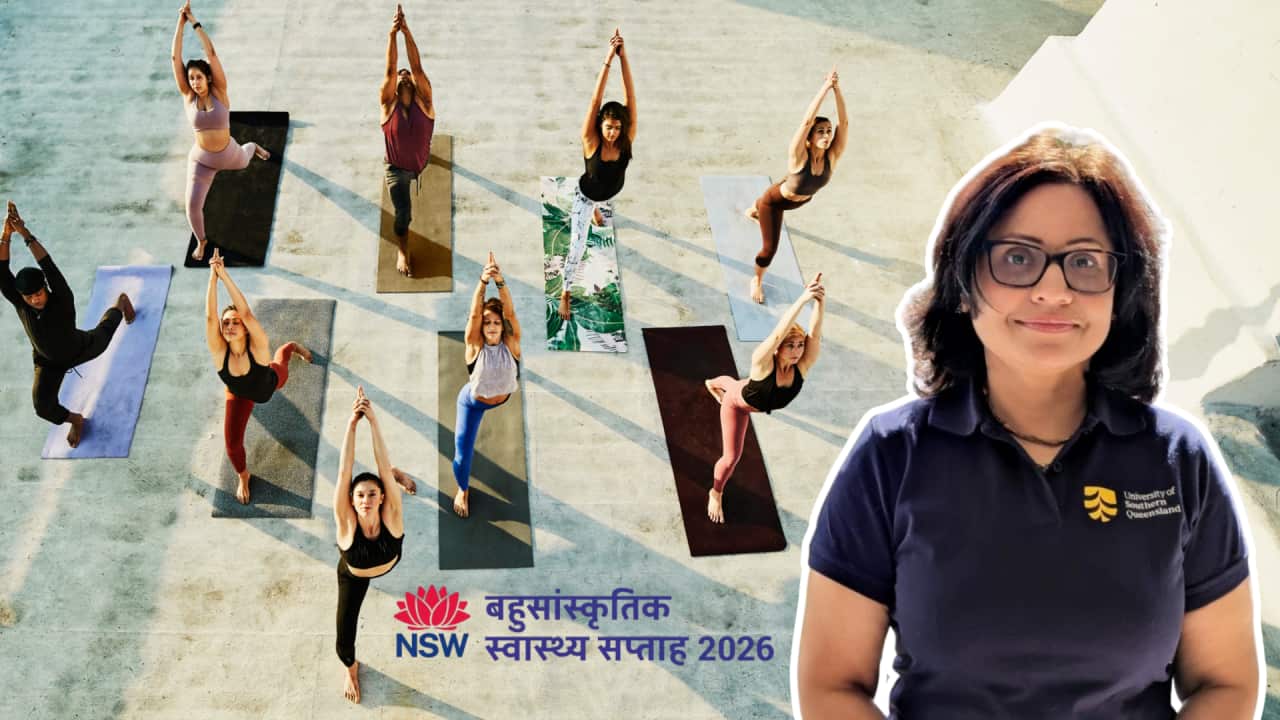
(Representational image) NSW Health says keeping active delivers benefits across all stages of life and can raise energy levels, improve our fitness, concentration, self-confidence, mood and sleep. It’s also a great way to make and maintain social connections and friendships. Inset: Dr Shikha Malviya Credit: Thomas Barwick/Getty Images; Supplied by Dr Shikha Malviya

NSW marks Multicultural Health Week from 31 August to 6 September, with this year's theme being physical activity for mental health and wellbeing. Physical activity is usually talked about in terms of the body alone, and spiritual practice in terms of faith alone. Dr Shikha Malviya, Lecturer in Occupational Therapy at the University of Southern Queensland and a mental health occupational therapist and psychotherapist, researches the ground in between. In this podcast, she explains what happens in the body during breath work, why moving beads through the fingers while repeating a verse settles the mind, and why practices of this kind, which she notes are found across many faiths, reach people who avoid conventional therapy. She also sets out when these practices are not enough, and when it is time to see a GP.


Published

By Swati Sharma

Presented by Swati Sharma

Source: SBS


Skip to podcast episode content

NSW marks Multicultural Health Week from 31 August to 6 September, with this year's theme being physical activity for mental health and wellbeing. Physical activity is usually talked about in terms of the body alone, and spiritual practice in terms of faith alone. Dr Shikha Malviya, Lecturer in Occupational Therapy at the University of Southern Queensland and a mental health occupational therapist and psychotherapist, researches the ground in between. In this podcast, she explains what happens in the body during breath work, why moving beads through the fingers while repeating a verse settles the mind, and why practices of this kind, which she notes are found across many faiths, reach people who avoid conventional therapy. She also sets out when these practices are not enough, and when it is time to see a GP.


Disclaimer: The information given in this interview is of general nature. This information may not be appropriate for your personal circumstances - contact your health practitioner for clear advice on your condition.

If you'd like to access mental health support, make an appointment with your GP or local migrant resource centre.

You can also call a free helpline like beyondblue at 1300 22 4636 or Lifeline at 13 11 14. If you need an interpreter, call the Translating and Interpreting Service first at 13 14 50.

Find all our podcasts here at:  SBS Hindi Podcast Collection. You can also tune in to SBS Hindi at 5 pm on SBS South Asian on digital radio, on channel 305 on your television, via the SBS Audio app , or stream from our website.


Latest podcast episodes

Follow SBS Hindi

Download our apps

Listen to our podcasts

Get the latest with our exclusive in-language podcasts on your favourite podcast apps.

Watch on SBS

SBS Hindi News

Watch it onDemand

Stream now