

Professor Veena Sahajwalla has developed a new 'material microsurgery' technique to extract valuable materials and elements from complex waste items. She hopes the philosophy of 'remanufacturing' different materials could create jobs and help solve the problems of waste as well.
Highlights:
- Prof Veena Sahajwalla and her team have developed the 'material microsurgery' technique.
- The technique transforms different waste streams into value-added 'green' materials and products.
- The paper 'Science of Microrecycling' has been published by the American Chemical Society Omega Journal.
"We should always consider waste as raw material," says Prof Sahajwalla, a leading expert in the field of recycling science and pioneer of 'micro science' - developing techniques to turn waste into useful materials.
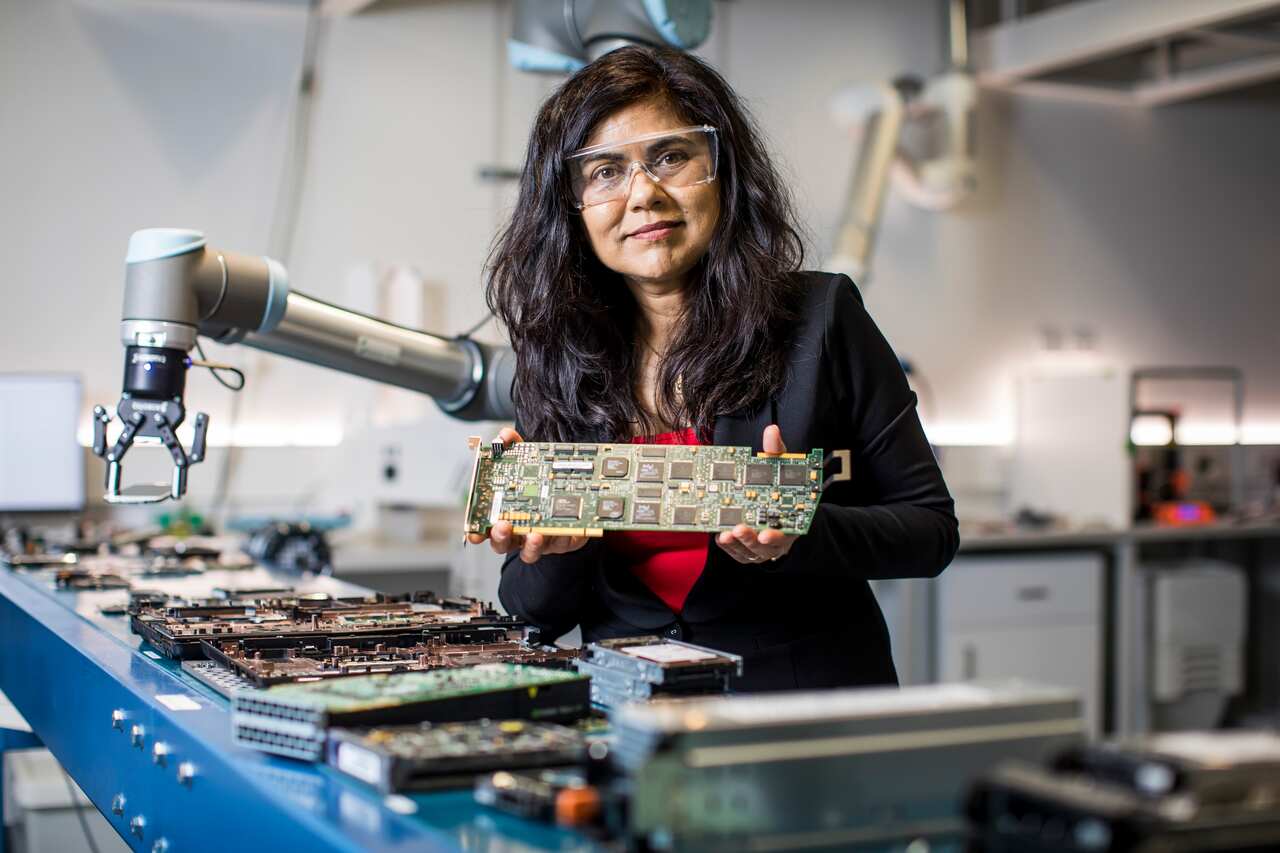
Prof Sahawalla grew up in Mumbai, India, and says her learnings and inspiration comes from the Indian lifestyle and philosophy of not wasting anything and sharing everything with others.
A conversation with Prof Veena Sahajwalla:
"In India, we don't throw anything. Clothes, books and toys are shared among siblings. We always get our shoes and clothes repaired. Nothing is considered waste and thrown away," she says.
If we follow this philosophy of sharing and repairing, we can use waste to remanufacture different materials. It will create jobs and solve the problem of waste as well.
Prof Sahajwalla and her team's paper 'Science of Microrecycling' has been published by the esteemed American Chemical Society Omega Journal.
The paper details 'Material microsurgery', the latest in the series of innovative techniques to "reform different waste streams that mostly end up in landfill or stockpiled by turning them into value-added 'green' materials and products, thus able to revolutionise the recycling and manufacturing sectors."
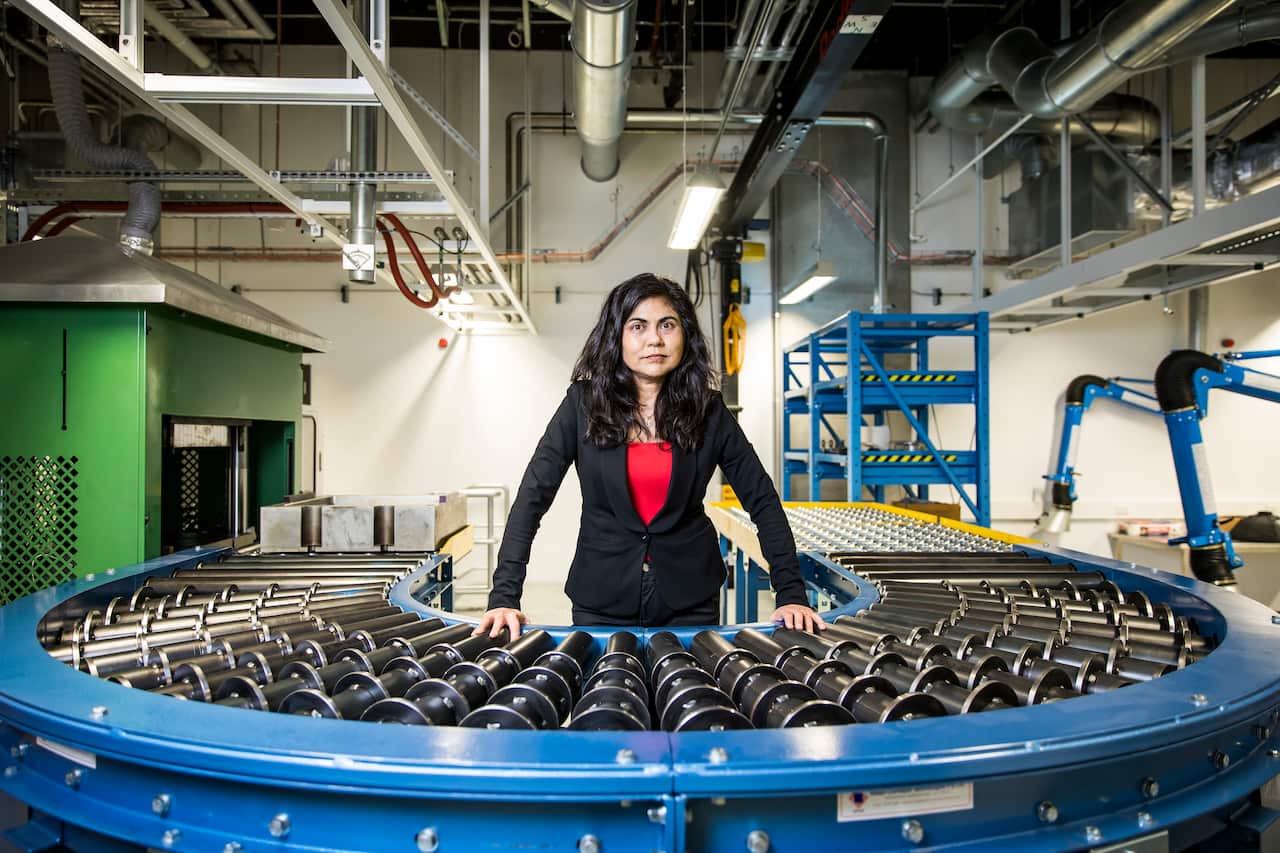
"We use the term 'material microsurgery' because we were inspired by the processes medical surgeons use in microsurgery where they apply targeted and selective solutions to problems," Professor Sahajwalla said.
"Existing waste and recycling technology doesn't do this for our traditional waste treatments. We need to step up to do the things that were thought unimaginable for waste management so it can be cutting edge."
Professor Sahajwalla and her team at UNSW's Centre for Sustainable Materials Research and Technology (SMaRT) use the technological concept of Microfactories to "transform problematic waste materials, such as glass, textiles and plastics, into new value-added materials and products such as engineered green ceramics for the built environment and plastic filament as a renewable resource for 3D printing."