

The Indian government has scrapped the special status for Indian-administered Kashmir that allowed the region to make its own laws, dividing opinion across the subcontinent.
The reactions of people in the Kasmir region are strong as the issue is sensitive, with opinion over India's decision to scrap Kashmir's special status diverging widely along ethnic and religious lines.
While Kashmiri Hindus celebrated the scrapping of Article 370, many Kashmiri Muslims have considered it a great betrayal from the Indian government.
Sydney-based Anjum Rafiqi hails from Indian-controlled Kashmir. He says India has betrayed the people of Kashmir.
"Jawahar Lal Nehru had made a promise with Kashmiris that has totally been obliterated today. We Kashmiris are speechless. It is an ultimate betrayal. India had made us a promise. That promise has been broken," Mr Anjum Rafiqi told SBS Hindi, referring to the demand for a plebiscite in Kashmir to determine the region's future.
"In one stroke of a pen, everything is gone. This is basically a page out of the history of Palestine that has been put in the history of Kashmir."
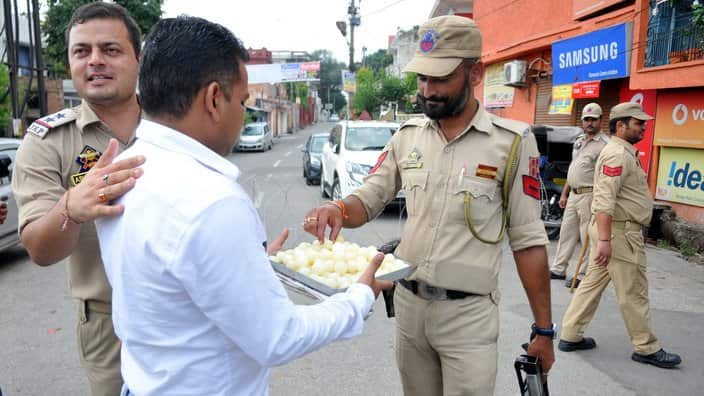
Indian-administered Kashmir is a Muslim majority region. Many of the minority Hindus fled the region fearing persecution in the 1990s and have been living in exile in different parts of India. Many of those people have hailed the scrapping of the special status of Kashmir and believe they will be able to return to their homeland.
Sydney-based Kashmiri Pandit Rohit Rewo says this is a historic day in his life and the life of Kashmiri Pandits who fled Kashmir in the 1990s.
"This is a historic day. We had not imagined it would happen in our life. We had not seen the freedom to date. This is our tryst with destiny," Mr Rewo told SBS Hindi.
He says Kashmiri Muslims should also be happy, claiming they would be free from the so-called political families "who had exploited them for years."
"All Kashmiris should feel happy. Now they will see a new era of economic freedom and prosperity," said Mr Rewo.
What is Article 370?
The Indian-administered state has been a subject of dispute between India and Pakistan for decades.
Article 370 allowed the territory of Jammu and Kashmir to have its own constitution, a separate flag, and independence over all matters except foreign affairs, defense and communications.
Article 35A of India's constitution also permitted Kashmir's local legislature to define permanent residents of the region. The article came into being in 1954 by a presidential order under the constitution's Article 370.
The article provides special privileges to permanent residents, which include state government jobs and the exclusive right to own property in the state.
With repealing of Article 370, these special privileges will no longer apply, and Indian citizens of other regions will now be able to buy the property or settle in the region, which some expect will lead to a demographic transformation of the Muslim-dominated region.