
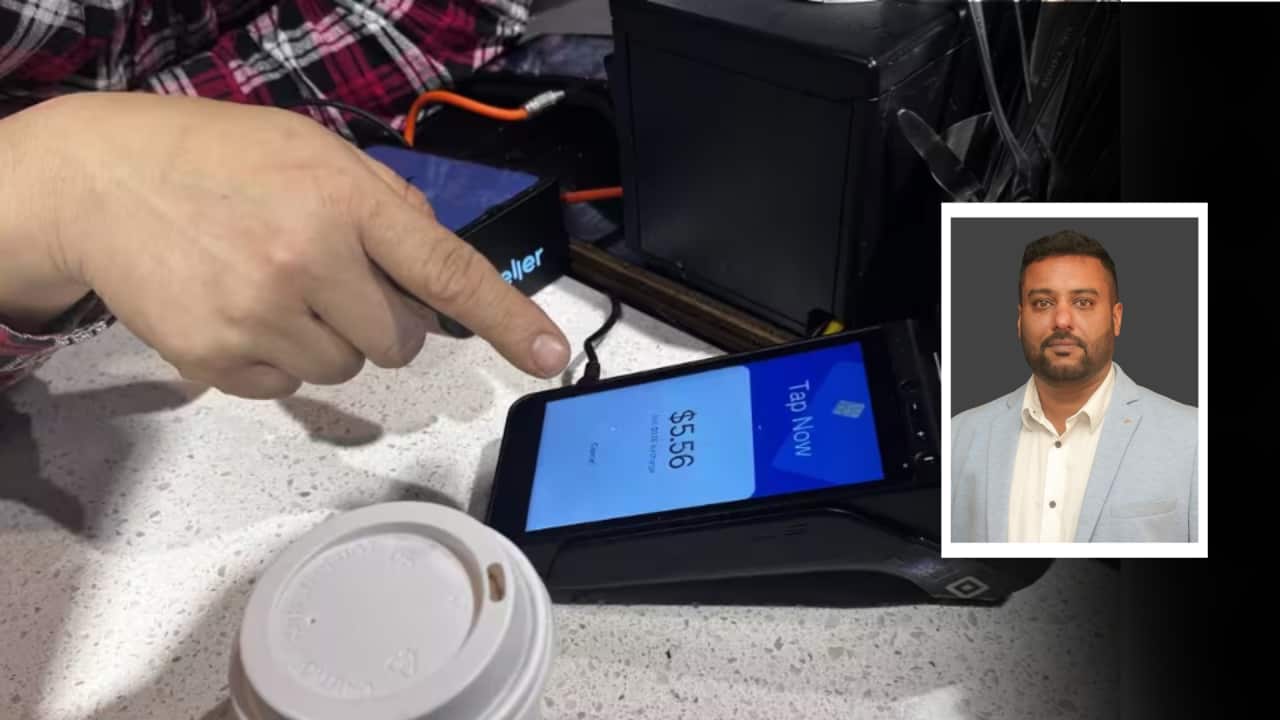
Cash से payment करने पर $5 की coffee, लेकिन card से pay करने पर $5.10. एक छोटा सा surcharge जो हर बार card से payment करने पर आपके खर्चे में जुड़ जाता था, वह आगे चलकर नहीं होगा। Reserve Bank of Australia की हाल ही में हुई घोषणा के अनुसार debit, credit और prepaid cards पर लगने वाले surcharge को हटाया जाएगा। चाहे वह EFTPOS हो, Mastercard या Visa. 18 महीने के consultation के बाद लिया गया यह फैसला 1 अक्टूबर 2026 से लागू होगा। आप सुन रहे हैं SBS Hindi और मैं हूं नबील हसन। Surcharges हटाने की इस घोषणा से होने वाले असर और बदलाव को समझने के लिए आज हमारे साथ हैं साहिल कंसल, जो एक Chartered Accountant हैं और एक Fintech company के लिए payment provider services के रूप में भी काम करते हैं।
साहिल, आपके हिसाब से RBA की इस घोषणा का basic उद्देश्य क्या है?
जी, देखिए, जो clarity and transparency is the basic मकसद RBA का। तो because होता क्या है कि जब हम shopping करने जाते हैं या हम कुछ भी खरीद रहे हैं, sometimes it comes like a surprise. वो एक बिल्कुल surprise की तरह हमें पता चलता है कि हाँ, there is 1.35% और वो उसको calculate करना भी इतना easy नहीं होता है एक आम इंसान के लिए कि अगर मैं $30 की चीज ले रहा हूँ तो उसका 1.35% कितना बने। So in order to keep that transparency is the basic motive of RBA's decision कि ये surcharges जो हैं, ये on top of your purchase नहीं।
अच्छा, ये surcharge हटाने की जो घोषणा है, वो एक आम consumer के रोजमर्रा के जीवन में कितना असर लाएगी?
For every single transaction हमें बहुत छोटा लगता है, but collectively it becomes quite a huge amount और in terms of customer, ये बहुत ज़्यादा आपके general debt को affect नहीं करेगा because
you are anyway paying that amount and this amount will either be charged in the overall pricing और
या ये बहुत ज़्यादा फायदा इसमें नहीं दिखाई देता है सच।
अगर अनुमान लगाना हो तो एक आम इंसान जो 9 to 5 job करता है और card का इस्तेमाल करता है, उसके daily खर्चे जैसे coffee या फिर एक meal के लिए, उसके लिए एक महीने में कितना फर्क पड़ेगा? $50 या $100?
नहीं, $50 will be too much to be honest because it's generally जब हम charges आप देखते हो तो वो 1.35, 1.5 और maximum 2% charge होता है। ठीक है। So that comes to like for example for $100,000 transaction which is too high, it only comes to $1500. So अगर हम एक average consumer लगाएं who will be spending for general expenses and अगर हम कहें कि वो $1000 charge कर रहे हैं तो that will be about a $15 in terms of their budget expenses. So currently भी surcharge के तौर पर pay कर रहे हैं और but जहां तक हमें लगता है कि small businesses अपने prices को change करेंगे to reflect it. जो हम real difference देखेंगे वो ये कि from this decision even if anybody is paying in cash, वो भी basically cost को कर रहा है। So अभी at the date में क्या होता है? अगर मैं cash pay करूं तो $5 दूंगा और अगर मैं card से दूं तो मैं 5.2 दूंगा for example. But again, businesses अपनी pricing को adjust कर लेते हैं। Then in either way I am paying cash or not, I am paying the same amount. Right. So अब ये कह सकते हैं कि अब consumer जो cash से pay करेगा, वो भी उस cost को consume कर रहा है।
अच्छा, अगर small business owners की बात करें तो उन पर क्या असर पड़ेगा? क्या वो इस charge को consumers को pass on कर सकते हैं?
इस तरह नहीं होगा small businesses के लिए इसको pass on करना because large, बड़े जो businesses हैं, large enterprises हैं, वो तो already charges इस तरह के कुछ नहीं लेते हैं। Right. So only small businesses ही इसको charge करता है। और अगर हम एक छोटे से business की बात करें जिसमें एक cafe है या कोई convenience store है तो उसमें amount जो overall transaction amount होता है वो बहुत बड़ा हो जाता है। So for example, $100,000 आपकी एक overall sale है। तो उस पर 2% लगाएंगे तो वो $2000 small business को उसका expense बढ़ रहा है। पहले तो वो एक अपने customer से उस $2000 को charge कर लेता था, लेकिन अब small businesses के लिए वो expense बढ़ जाएगा। I understand कि small businesses, some small businesses will be able to pass it on, but ये इतना भी आसान नहीं होगा और इतना easy नहीं होगा वो छोटे businesses के लिए इसको pass on करना।
Banks और payment providers के लिए ये decision उनके लिए कैसे influence करेगा, खासकर revenue के perspective से अगर देखें।
देखिए, revenue के तौर पर अभी हमारे पास clear guidelines नहीं आया है RBA की तरफ से कि how we will be actually working with the businesses. But जो हम देख रहे हैं वो ये कि revenue के sense में हम ज़्यादा इसमें difference नहीं देख रहे हैं as a payment provider or as a banking institution. But the difference will be the current option. So हमारे, हम जब भी किसी नए business को onboard करते हैं, हमारे पास option होता है कि we ask the businesses कि आप on top of your fees लेना चाहते हैं या आप उसी में consume करना चाहते हैं। तो उस small business के पास एक option होती है। वो हम choose करता है कि yes, I want to charge on top or not. So हमारे procedures will be different. So वो change हो जाएंगे। हमें onboarding अपनी set करनी पड़ेगी depending upon how the RBA provides the guidelines. But in terms of revenue, हम ज़्यादा difference नहीं इसमें देख रहे हैं।
एक आखिरी सवाल साहिल, कि इस फैसले का long term effect क्या हो सकता है Australia के payment culture पर और अगर इसकी तुलना भारत से की जाए जहाँ UPI के आने के बाद काफ़ी बदलाव देखने को मिले।
देखिए, India और Australia के पहले से ही बहुत difference है। So India had a very big cash economy. Australia में तो cash economy is already shrinking, banking branches are closing and even you can see the even ATM availability are not that anyway. So हमारे लोगों, Australia में लोगों का जो payment culture है that has already been shifted to non-cash payment और even हमारी जो income है वो भी हमारी account से होती है और जो हम expense करते हैं वो भी card से होते हैं। So the payment culture is already there. So हम कोई नया invent नहीं करेंगे as it happened in India. India में UPI आने के बाद ये change हुआ है। लेकिन Australia में that payment culture has already shifted. That is why our RBA had to come up with this particular decision कि I think कि एक transparency रह सके for people who are actually making the online payments or card payments.
यह थी हमारी बातचीत साहिल कंसल से जो एक Chartered Accountant हैं और card से payment करने पर surcharge हटाने की RBA की हाल ही में हुई घोषणा के बारे में हमें बता रहे थे। यह नियम 1 अक्टूबर 2026 से लागू होने वाला है और RBA के अनुसार इस बदलाव से हर साल उपभोक्ताओं को लगभग 1.6 billion dollar की कुल बचत हो सकती है। [outro music] SBS Hindi के लिए यह report आपके लिए प्रस्तुत की नबील हसन ने। [outro music] इस audio podcast में व्यक्त किए गए विचार व्यक्तिगत हैं। SBS ना तो इनसे सहमत है और ना ही असहमत।
END OF TRANSCRIPT