

Should voting rights be extended to all permanent residents because they are members of the Australian community?
Millions of people born overseas now call Australia there home.
In 2011-12 population survey, Indians became the largest source of permanent migration to Australia with 15.7% of the total migration program.
But most of these people called ‘Permanent Residents’ of Australia can’t vote in elections!
The logical question that arises here - Should permanent residents be allowed to vote in Australia?
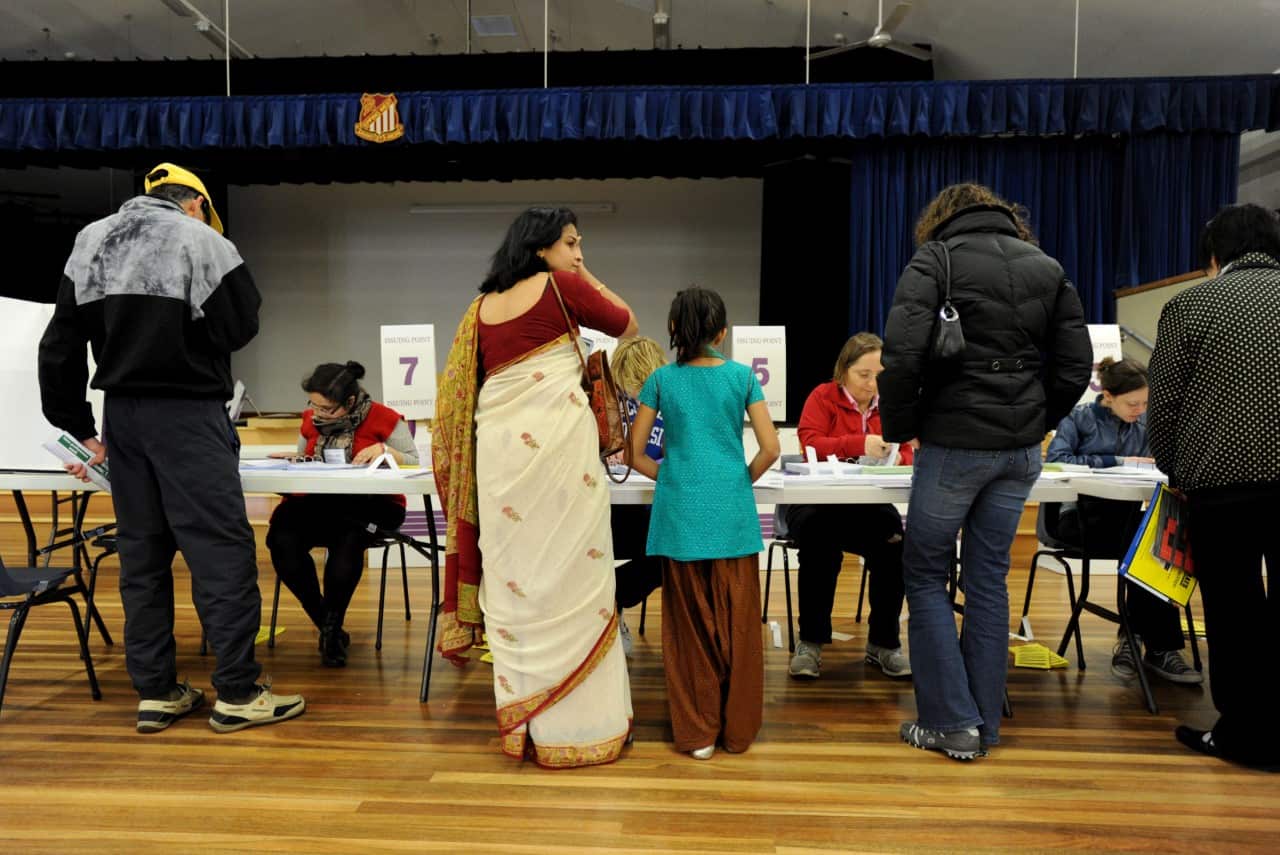
Heath Pickering, the Deputy Editor of Election Watch, argues that “the fundamental principle of a democracy is that members of the community should have a say in the decisions that affect them.”

Indian-origin Councillor Guatam Gupta, presently Acting Mayor of Wyndham Council, says “Absolutely! They are 'Permanent Residents' - pay taxes and use almost all facilities and resources as any citizen. They must be given opportunities to participate in how their taxes are collected and allocated.”

Bhavna, who moved to Australia almost three years ago, says emotionally that “It is not fair. This is despite permanent residents living, working, paying taxes and using public services like schools and Medicare just like Citizens.”
The Department of Immigration and Border Protection reports that every year thousands of applications for permanent residency are approved.
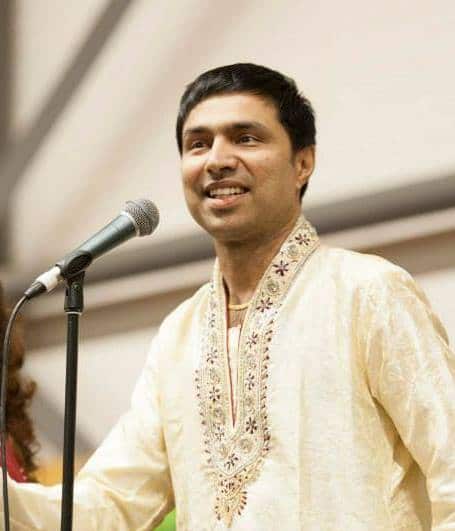
Dharmesh, who has lived in South Korea and is now a citizen of Australia, says “allowing permanent residents voting right is Fair Go! PR should be given full voting rights just as any Australian citizen, so that they can contribute their say in Council, State and Federal level.”
To know more about this pertinent question, SBS Hindi conducted a social media poll survey on Indian community pages in Australia, especially Melbourne, Darwin, Perth, and Brisbane.
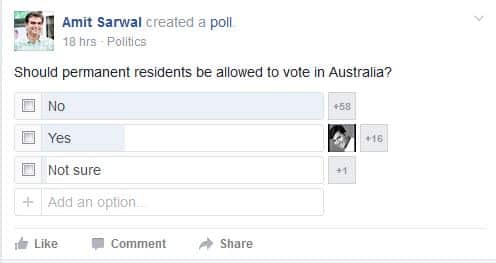
SBS Hindi’s poll survey was surprising as more than 50% local Indian community members said ‘No’ to permanent residents’ voting rights!
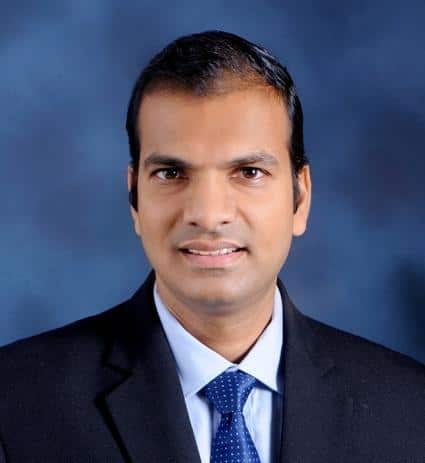
Karthik Arasu, an independent candidate for Senate from Victoria, feels although permanent residents are pivotal members but “they have no idea about Australian politics and votes can have a long-lasting effect.”
Saksham Katyal, who emotionally agrees with Guatam, Bhavna and Dharmesh but in principle agrees with Karthik, says that “any change to give voting rights to permanent residents should be based on careful consideration.”

Saksham argues that permanent residents need to demonstrate a significant understanding of the Australian politics and their commitment to Australia.
In response to SBS Hindi’s poll survey some people posted that it is not ‘democtraic law’!
But democracy is all about a government of the people, for the people and by the people.
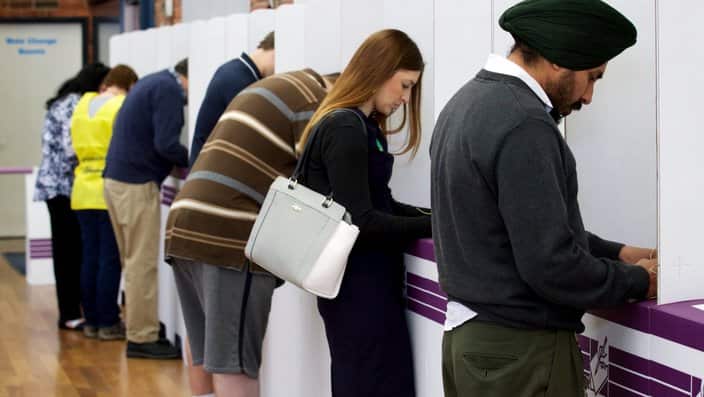
Heath Pickering points out that the concept of who is allowed to vote in a democracy has changed significantly over time.
“For example, originally in England only male land-holders were able to vote. At the beginning of voting in Australia, only men were allowed to vote. Women and Indigenous Australians were excluded,” he adds.
In plain words, the category of people who can or cannot vote in a democratic country is also changeable.
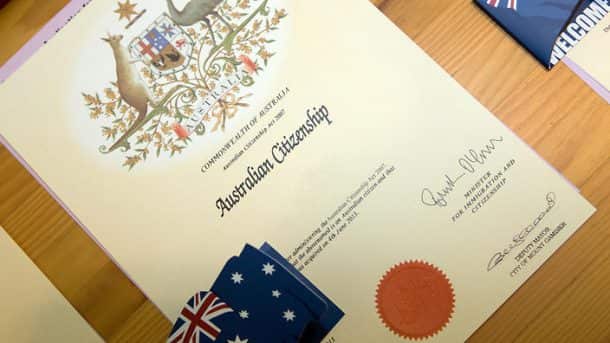
Today, there are almost 40 countries that have approved some form of voting rights to non-citizens or permanent residents or foreign residents.
“Ultimately, voting rights should extend to all community members because they are members of the community,” says Heath Pickering.