
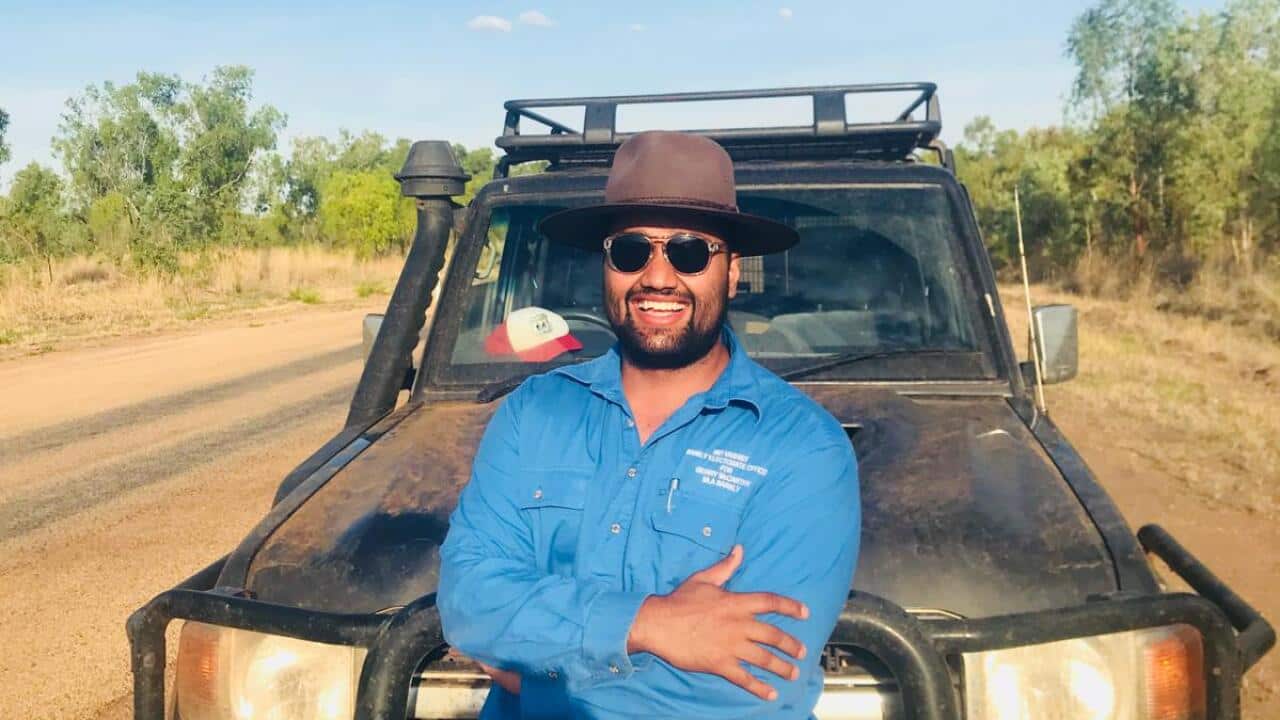

Sid Vashist, recently elected as the mayor of Barkly Regional Council, is working closely with the local Aboriginal community to strengthen ties and governance. Accepted into the Warumungu kinship system as ‘Jakamarra’, he is focused on reconciliation, youth leadership and practical, community-driven solutions in the Northern Territory.
Key Points
- Sid Vashist is the first Indian-origin mayor in Northern Territory history.
- Sid first travelled to Darwin as a retail sales representative.
- The Elders of the community gave him the Warumungu skin name ‘Jakamarra’ after he gained community trust.
When Sid Vashist first arrived in the Northern Territory, it wasn’t politics he sought — it was belonging.
“I first toured Darwin as a retail sales representative,” he recalls.
“But I always knew I wouldn’t live in big cities. The Barkly region gave me open skies, nature and a culture that reminded me of home.”
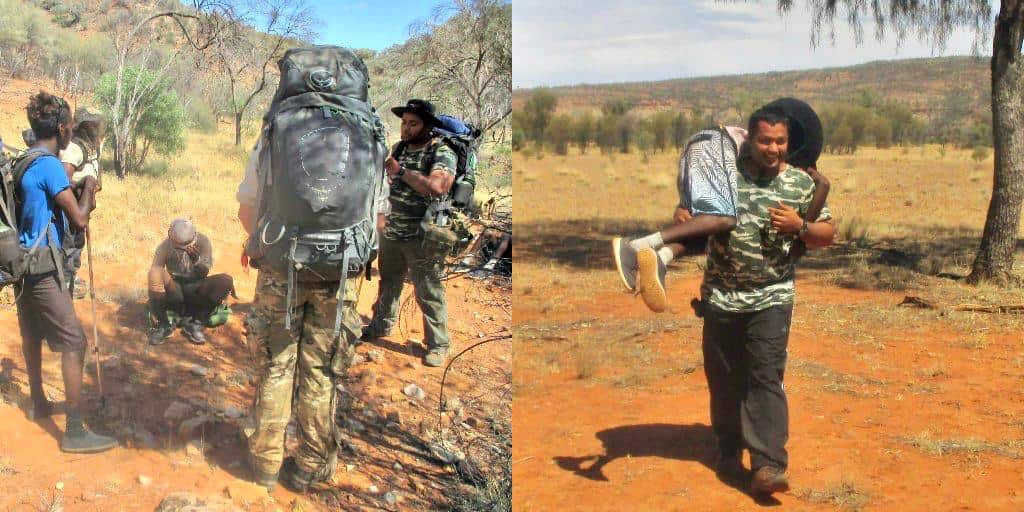
Sid’s connection with Tennant Creek — where he’s lived for over 15 years — has deepened with time, patience and respect.
“Inclusion in the community isn’t instant,” he says. “You must show respect to the elders, much like we do in Indian culture. Once they take you in, you’re family.”
That acceptance came in a powerful form: the Warumungu people gave him the skin name ‘Jakamarra’, formally adopting him into their kinship system.
“Being given a skin name means you’re part of their dreaming. You belong. It’s family.”
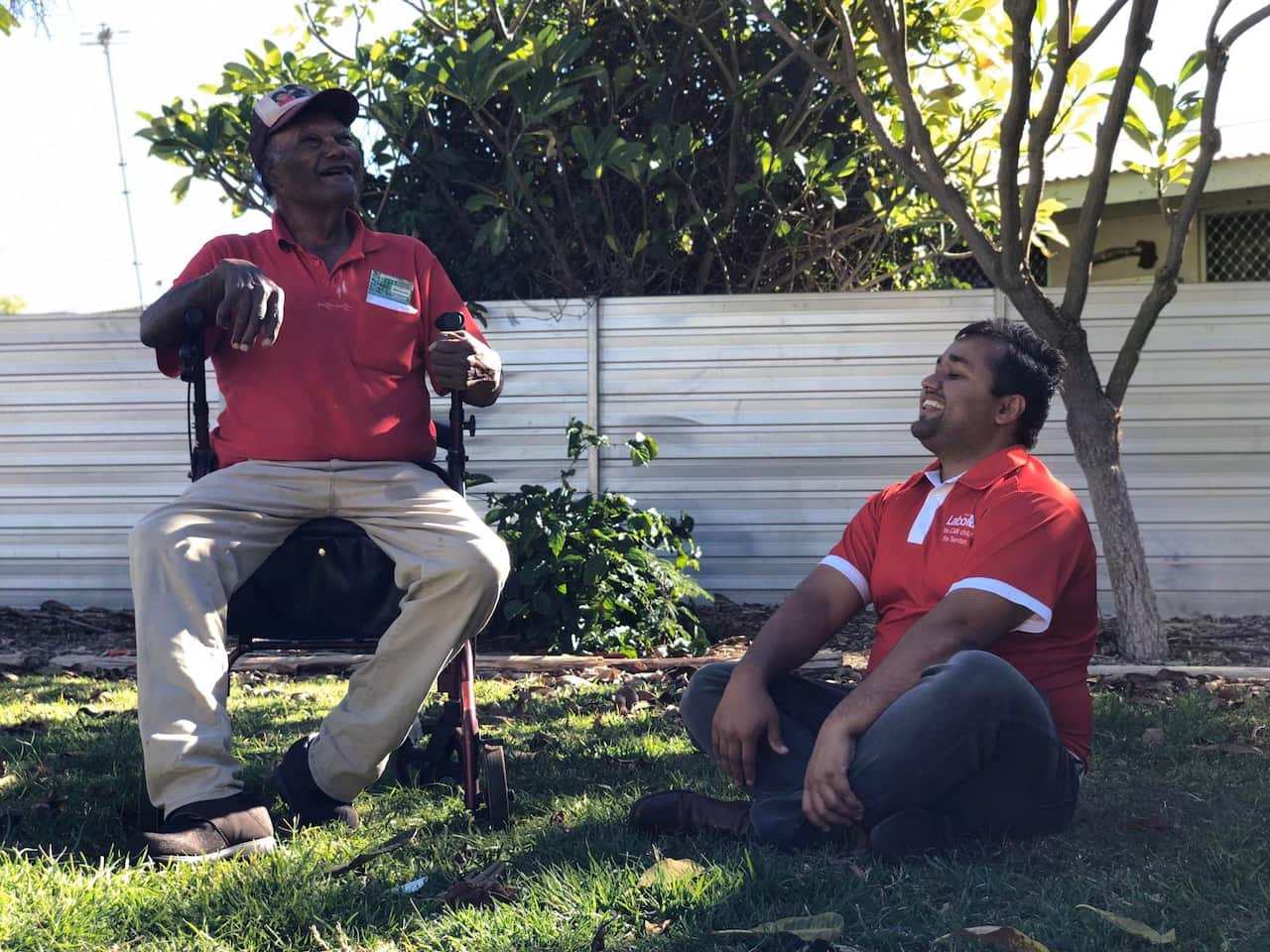
Sid not only was accepted as a part of the family, but found the love of his life there. He is now married and has a 20-month-old baby.
Reconciliation in practice, not just words
Now elected mayor with a 54-per cent mandate, Sid brings his cross-cultural insight to the council chamber.
“My deputy mayor, Noel Hayes, is in his 80s. He and others are guiding young Indigenous Australians to enter governance. That’s what this year’s Reconciliation Week theme — Bridging Now to Next — looks like in action.”
But challenges remain.
“A lot is being done, but red tape and middlemen slow us down,” Sid admits.
“Funds dry up before they reach the community. We need place-based solutions born from genuine consultation.”
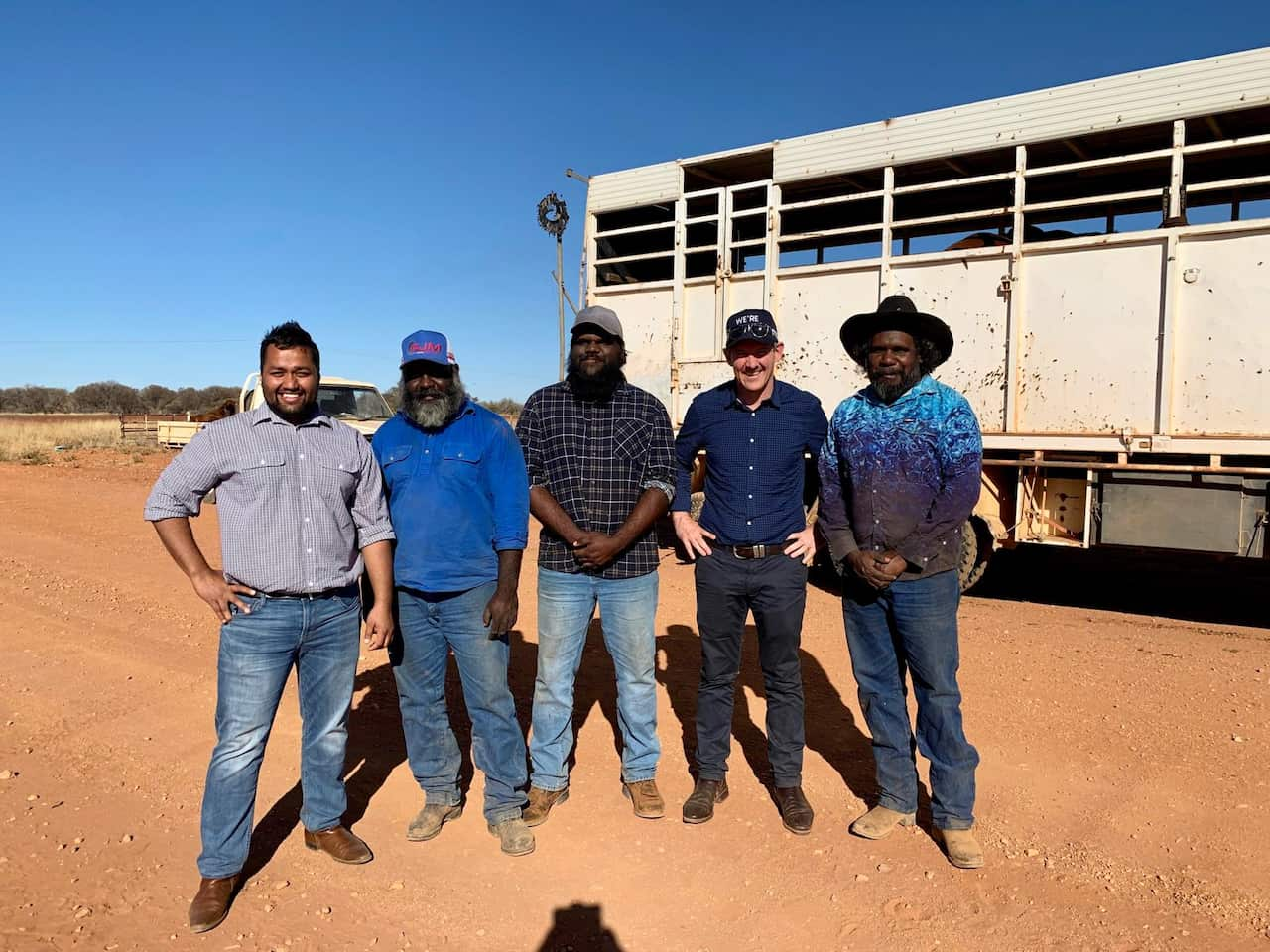
'Walk with us'
As NAIDOC Week nears, with a renovated cultural centre reopening and town-wide celebrations planned, Sid urges broader Australia to engage.
“To non-Indigenous Australians, I say — come spend time with First Nations people. Promote Indigenous tourism. That’s how we exchange culture, understand each other, and walk together — not ahead, not behind, but hand in hand.”
Find our podcasts here at SBS Hindi Podcast Collection. You can also tune in to SBS Hindi at 5 pm on SBS South Asian on digital radio, on channel 305 on your television, via the SBS Audio app or stream from our website.