
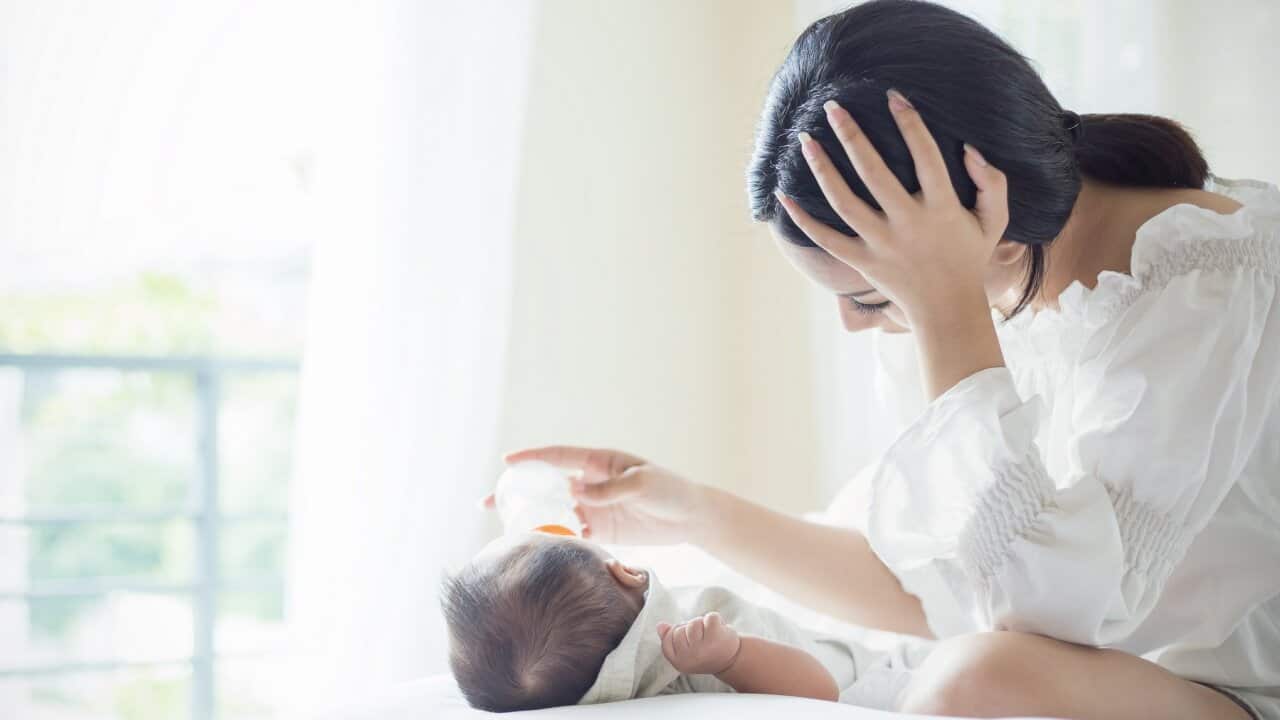

Birth of a child can be overwhelmingly stressful for new parents and often, many new parents feel anxious and depressed. This week – which is being marked as Perinatal Anxiety & Depression Awareness Week, PANDA (Perinatal Anxiety & Depression Australia) is urging people to ‘get real’ about it.
For Simran* pregnancy and childbirth went off smoothly without any major hiccups.
However, a week after delivering a healthy boy, she first felt the pangs of sadness and unhappiness.
Sleep deprivation, changes in hormones and the adjustment that comes with being a new mother were taking a toll on her.
But instead of symptoms going away, they became severe.
“Her husband rang me and said she was crying inconsolably and was extremely sad. She wasn’t eating or sleeping properly, was withdrawn and that was affecting her abilities to care for the newborn child. I immediately asked him to bring her to me. I instantly knew it was postnatal depression,” Dr Arunaz Kumar, an Obstetrician-gynaecologist who had helped deliver the child told SBS Hindi.
“It is very common to go through anxiety and depression during pregnancy and after childbirth for 12 months,” Dr Kumar says.
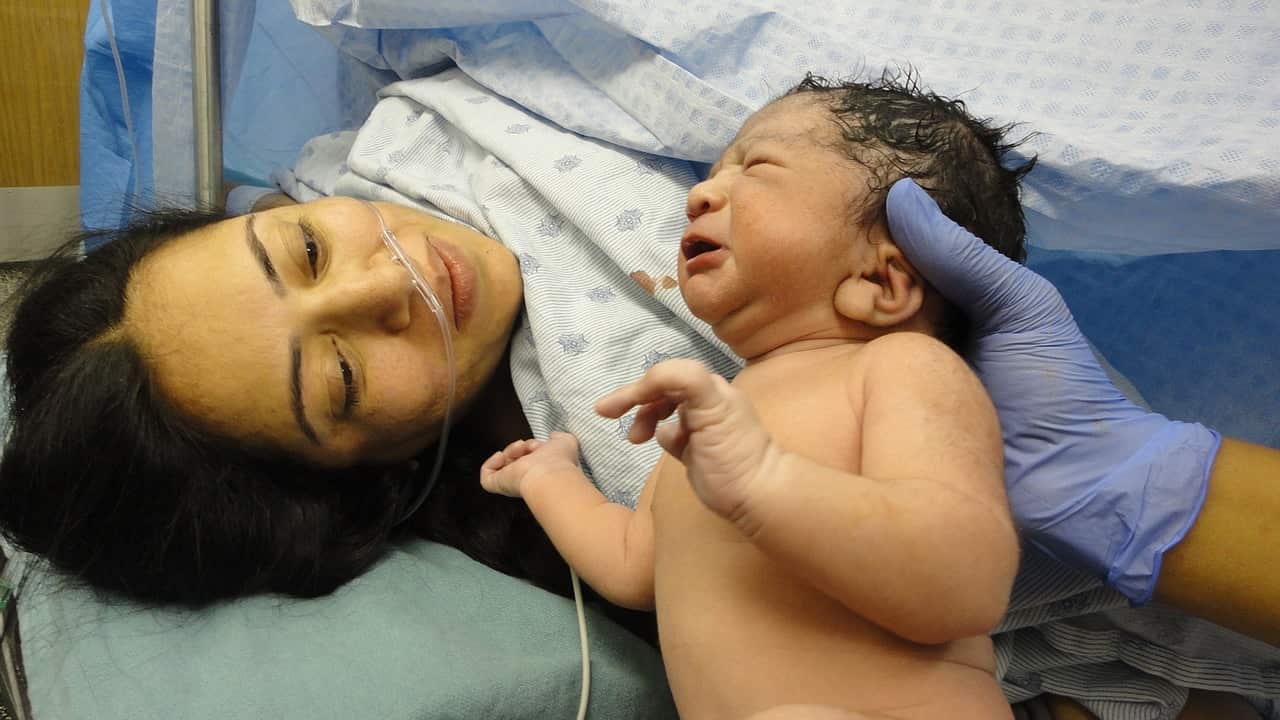
A child’s birth is meant to be one of the happiest and fulfilling time in one’s life but is not always so for everyone.
Adjusting to becoming a parent can be overwhelmingly stressful for new parents and often, many new parents, not just the mother but the father too can feel anxious and depressed.
“Based on the findings from PANDA’s mental health checklist for expecting and new parents, we know that one in five moms and one in ten dads experience depression or anxiety or both during pregnancy or first 12 months of their bub’s life. We also know that feeling that way can have potentially devastating impact on having a connect, with their baby, with each other, with their friends and families and with the health services more broadly,” Julie Borninkhof, CEO of PANDA told SBS Hindi.
This week – which is being marked as Perinatal Anxiety & Depression Awareness Week, PANDA (Perinatal Anxiety & Depression Australia) is urging people to ‘get real’ about it.
Health experts and support groups are using this event to call for more awareness and education on the issue, which affects 100,000 Australian families each year.
PANDA says data taken from callers using its national helpline has revealed that three-quarters of callers found it difficult to adjust to becoming a parent, with just one in three opening up to their partner about their emotional wellbeing.
It also found 1 in 5 callers suffering for at least six months before seeking help.
Perinatal Anxiety and Depression affects 100,000 Australian families each year.
“There’s a huge taboo to talk about this in the migrant communities. Childbirth is a joyous occasion so any feelings contrary to those are most often kept private. It can get dangerous so I would urge new mothers to seek help at the earliest,” says Dr Kumar.
“I have also seen women, uncomfortable speaking English, feel hesitant and unequipped to express their suffering. But in spite of that, recognise your symptoms and seek help,” she says.
Perinatal depression can affect anyone but can particularly affect migrants who do not have a large social and family support around them.
“Many women who have left their comfort zone, their families and friends, are often isolated after childbirth and these women are very likely to feel depressed and may go undiagnosed. I would urge their partners to keep an eye on their health and alert their doctors.
“In Simran’s* case, her husband brought her in. She did not want to come. She did not make any eye-contact and after speaking to her, I found out she was feeling suicidal. Depression should not go untreated. We were able to refer her to a psychiatrist and she has now recovered,” says Dr Kumar.
Listen to the podcast with Dr Arunaz Kumar:
Perinatal Anxiety and Depression’s symptoms can range from feeling tired, emotional, losing appetite, feeling guilty of being a bad parent, not connecting with the baby to having panic attacks, palpitations and doing unsafe things.
More information on Anxiety & Depression in Pregnancy & Early Parenthood can be found here.
Where to seek help?
The PANDA helpline, offering support for people struggling with perinatal depression and anxiety, is available on 1300 726 306 on weekdays between 9 am and 7.30 pm eastern time.
Those seeking mental health support can contact Lifeline 24 hours a day online and on 13 11 14.
Other services include the Suicide Call Back Service, which can be reached on 1300 659 467, and Beyond Blue, on 1300 224 636.
*Name changed to protect identity.
Tune into SBS Hindi at 5 pm every day and follow us on Facebook and Twitter