
Recently, the grave of the great British explorer Mathew Flinders was dug out by a stroke of luck by archaeologists near Euston Rail station in London. The grave bore his name on a metal plate and hence was legible. An expert on Matthew Flinders Ms Margot Riley who is also a curator at the State Library of NSW narrated some interesting aspects of Flinders' life to SBS Hindi.
Who was the man to name this continent Australia?
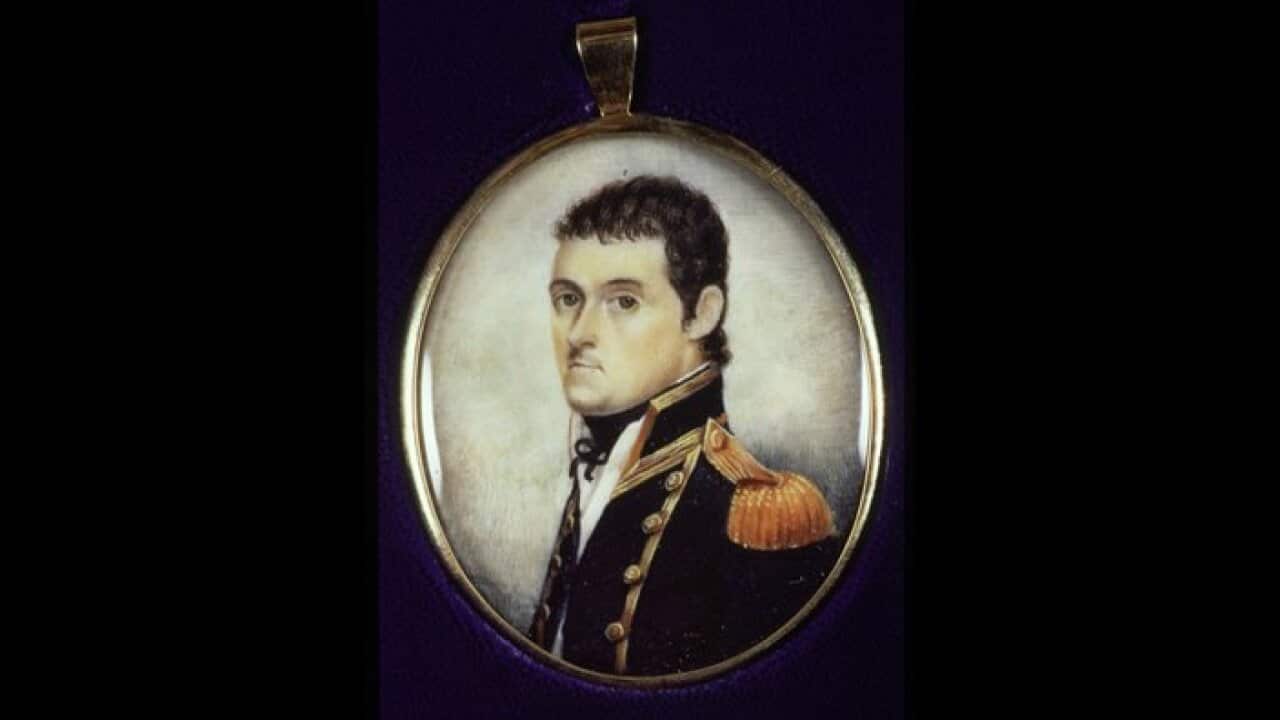
Archaeologists have recently discovered the grave of the renowned British explorer Matthew Flinders who was buried in a London cemetery in 1814. The graveyard was gradually neglected and the Euston Rail station was built over part of the burial ground.
Thousands of unmarked graves were uncovered and by a stroke of luck Matthew Flinders’ grave carried a plaque with his name on it. This ended the mystery about the whereabouts of his grave and has rekindled the interest in one of the great navigators of that era.
Margot Riley, a curator in the State Library of NSW and an expert on Matthew Flinders gave SBS Hindi some interesting details about Flinders’ life and voyages. She says, “ Matthew Flinders was the first British explorer who successfully circumnavigated the Australian continent 216 years ago. Captain Cook discovered the West Coast but it wasn't until Matthew Flinders undertook his first voyage in 1801 and went around the whole country and joined both parts of the map, so we knew the size and shape of Australia.”
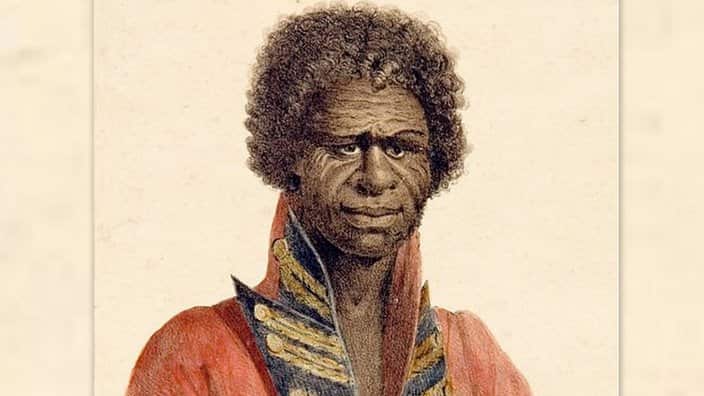
Matthew Flinders had with him a crew of 80 men, on his voyage up the coast of NSW as far as Bundaberg he was joined by an indigenous young man by the name of Bungaree, who learnt English and helped him to establish relations with the first peoples of Australia.
Australia was earlier on known in Latin as, terra australis incognita that is - “unknown southern land. It is believed that Matthew Flinders then having circumnavigated the continent named it “Australia.”
Talking about Flinders’ pet cat and companion, Ms Riley tells us, “He had a cat called Trim cat that was born aboard the ship. This cat drowned at sea but managed to swim up to the ship.” Matthew Flinders was very fond of this amazing feline and even wrote a Biography on Trim the cat.
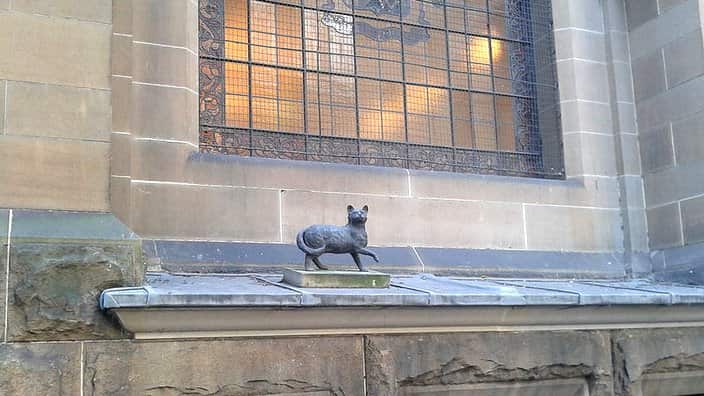
It took Flinders nine years to reach home to England as war had broken out between the British and the French. He was held up at Mauritius by the then French Governor on suspicion of spying. He stayed there for seven years. That’s where he lost his faithful companion Trim, who went out and never returned one day.
Flinders completed his map and also published a book in England and died the very next day after the publication of the book. The State Library of NSW has a rich collection of documents and letters by Flinders.
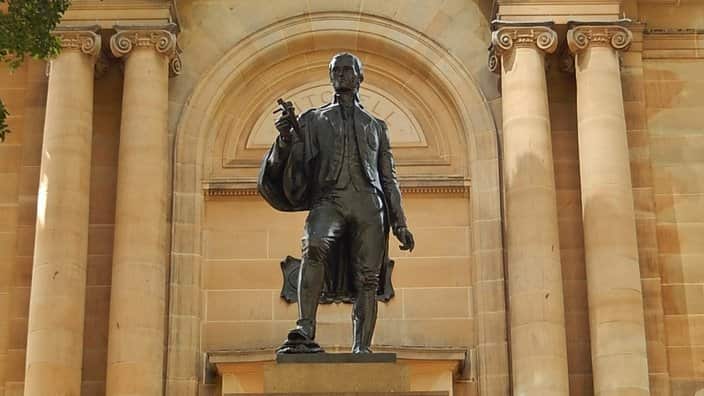
The story behind the acquisition of this material by the State Library is an interesting one. Ms Riley tells us, “Matthew Flinders grandson came to live in Melbourne. He was in possession of several documents and letters by Flinders. In 1920 the grandson threw open a challenge, saying the first Australian State to raise a statue of Matthew Flinders would be able to acquire the rare documents.” The statue of Matthew Flinders erected by the State Library of NSW bears testament to the acceptance of the challenge and acquisition of the rare letters and documents.