

Vim li cas Professor Mary Crock uas paub zoo txog Australia cov cai xeem pej xeem thiaj hais tias yog muab tsab cai no hloov ces yuav tsis muaj kev ncaj ncees thiab yog cov kev ua txhaum ntiaj teb tsab cai pov puag neeg thoj nam tawg tsov tawg rog (UN Refugee Convention).
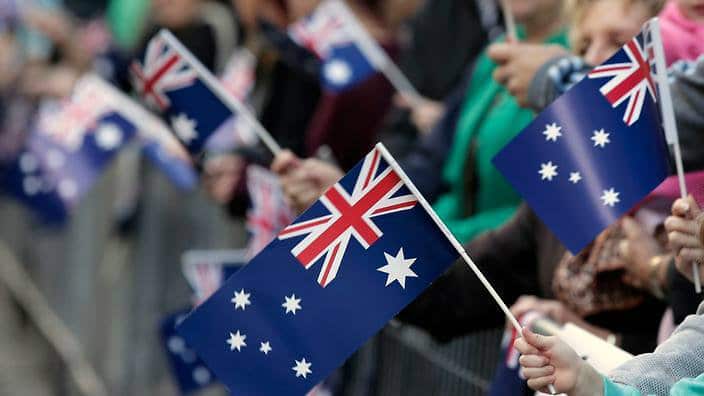
Turnbull government would like to propose changes to Australian citizenship legislation claiming migrants and asylum seekers and refuges should embrace Australian values and the would be citizen need to prove the commitment to Australia that they can read, write, speak competent English before they can actually become Australian citizenship. However, Labour and Greens and community organisation like the FECCA (Federation of Ethnic Community Council of Australia) have made it clear, they will oppose in Senate, claiming this will create second class citizen and it is not fair for Australian multicultural communities. Mary Crock is also one.
Professor Mary Crock, a citizenship law specialist from Sydney University who have intensive working experience in immigration said that this changed is upsetting her.
Mary Crock claimed “ They want to change the Australia Citizenship Act to make it a lot harder for many people to become citizen particularly who comes here as refugees.”
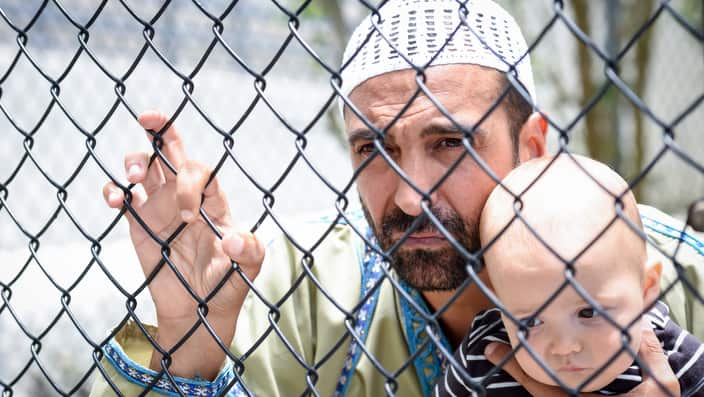
But what are the conditions that people have to abide by?
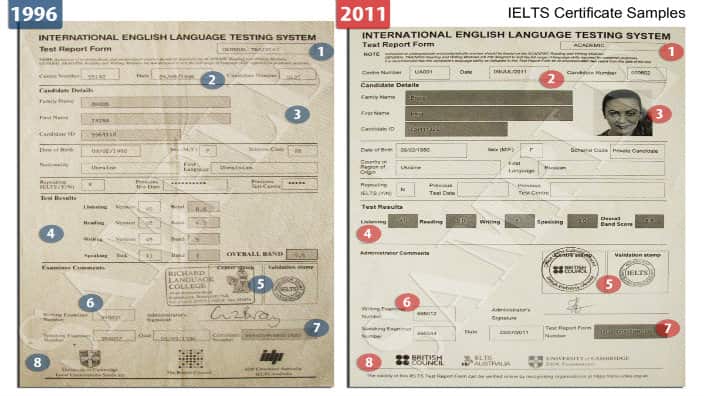
Mary Crock said “ The way that this legislation will make it harder, first of all that you will have to wait for four years before you could eligible to apply. But they want everybody to also pass an English language test. For older people particular, this is very unfair. Uh the standard of the test that they are proposing is very high, a level 6 on the English standard test which is pretty much what you need to get in to university. Now I think that it is quite ridiculous. I also have great concern about the power that the minister wants to take to cancel a decision made by the tribunal, when the tribunal says yes we should give this person citizenship, the minister wants the ability to come in and go against that ruling.”
Immigration Minister Peter Dutton responded, saying those concerns are unfounded. He said "It's sensible. It lifts the level from 5 to 6, on a scale of 1 to 9, and we believe that moving it from basic to competent is a reasonable ask..."
Tony Burke warns that could create an underclass of migrants who never pass the test, and spend their lives in Australia living as non-citizens. Professor Crock says that there are pros and cons in English test for migrants and refugees .
Mary Crock asserted that “ We should put the emphasis on people when they enter the country, and it is ok at that point to ask for English testing according to students or workers are request to do or perform when they come here.. But I think at the level of citizenship, when we are talking about becoming a full member of the Australian community, it is very unfair and it is discriminatory. We have a very diverse community here, and it is ridiculous to say that you have to speak perfect English to be a proper Australian that is just not true.
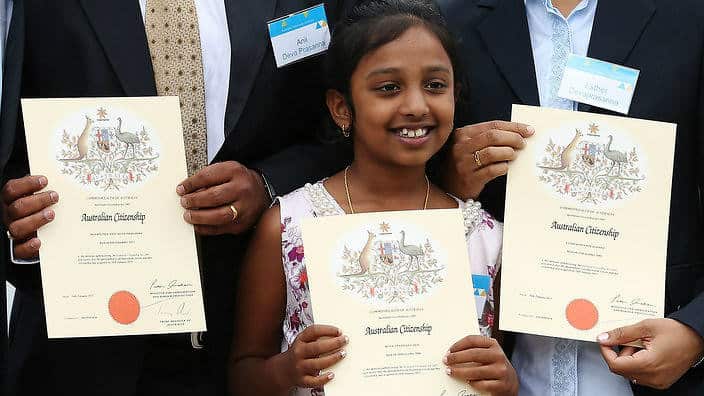
But it does not stop there, children born to irregular asylum seekers or refugees will bear the brunt.
Mary Crock also mentioned that " My other really big concern with this legislation is that it targets children. And it basically provides that children would no longer be able to get citizenship after being born in Australia and living here for ten years, which is how it is always been um for as long as I can remembered, for children, if they stay here after birth, they are eventually accepted as citizen straight away. What they have done is to say that if your parents was irregular migrants at any stage, the people who come as asylum seekers if they are recognised as refugees, settle in to community, this law will operate to make sure that their children will not allow to automatically become citizens. Now my problem with that is that those children have got no other countries, uh in most instances, it’s very likely that they will be stateless. And we have actually signed a statelessness convention to say that we should do everything to reduce statelessness in the world, but why targeting these children. It doesn’t make any sense to me.”
Professor Mary Crock, a citizenship law specialist from Sydney University said the propose changes to citizenship legislation is contradicting to UN Refugee Convention.
Mary Crock also touched on Refugee convention that “ Yes it does, because what it does is actually put another penalty on people who have been irregular migrants into the country without visa. Now, under the refugee convention, we are not supposed to penalize refugees by reasons of their illegal entry into a country. The reason for that is very often, it’s part of being refugees that you can’t use the usual avenue, you can’t get a visa to get out of your country. That’s why international recognises that a lot of these people do breached the immigration law when they are in your country, but that we recognise them as refugees and accordingly, they should be allowed to stay. Now I think putting an obstacle in the way of these refugees and essentially pushing them through a classy uh business stream. Because that is what it really does isn’t it, if you ask everybody to speak uh perfect English and you are not letting the children automatically apply, you are putting penalty on these people.”
Professor Mary Crock said that “ We have a guite good citizenship law at the moment, and I don’t think we need to make it any tougher.” End.
Mloog zaj xov xwm no ua lus Hmoob tau ntawm no: