The Indonesian government continues to spur environmentally friendly fuel programs through the development of biodisels that have now reached the B50 stage.
The program, which mixes 50 percent vegetable oil with 50 percent fossil oil, was originally conceived as a strategic step in the Renewable New Energy (EBT) transition.
However, behind the green narrative, there are serious challenges that have a direct impact on the well-being of palm oil farmers and the sustainability of forest ecosystems in Indonesia.
The National Secretary General of the Union of Palm Oil Farmers (SPKS), Sabarudin, highlighted the disparity in the allocation of subsidies that underpin the program.
By 2025, the collected palm export levy (PE) fund will amount to about Rp39 trillion, but about 90 percent of the funds will be re-channeled to subsidize biodisel programs.
This creates an irony because the funds that should have been used for the empowerment and welfare of farmers are actually enjoyed by large industries, while at the same time, high export levies are fueling a decline in the purchase price of palm oil at the farmer level.
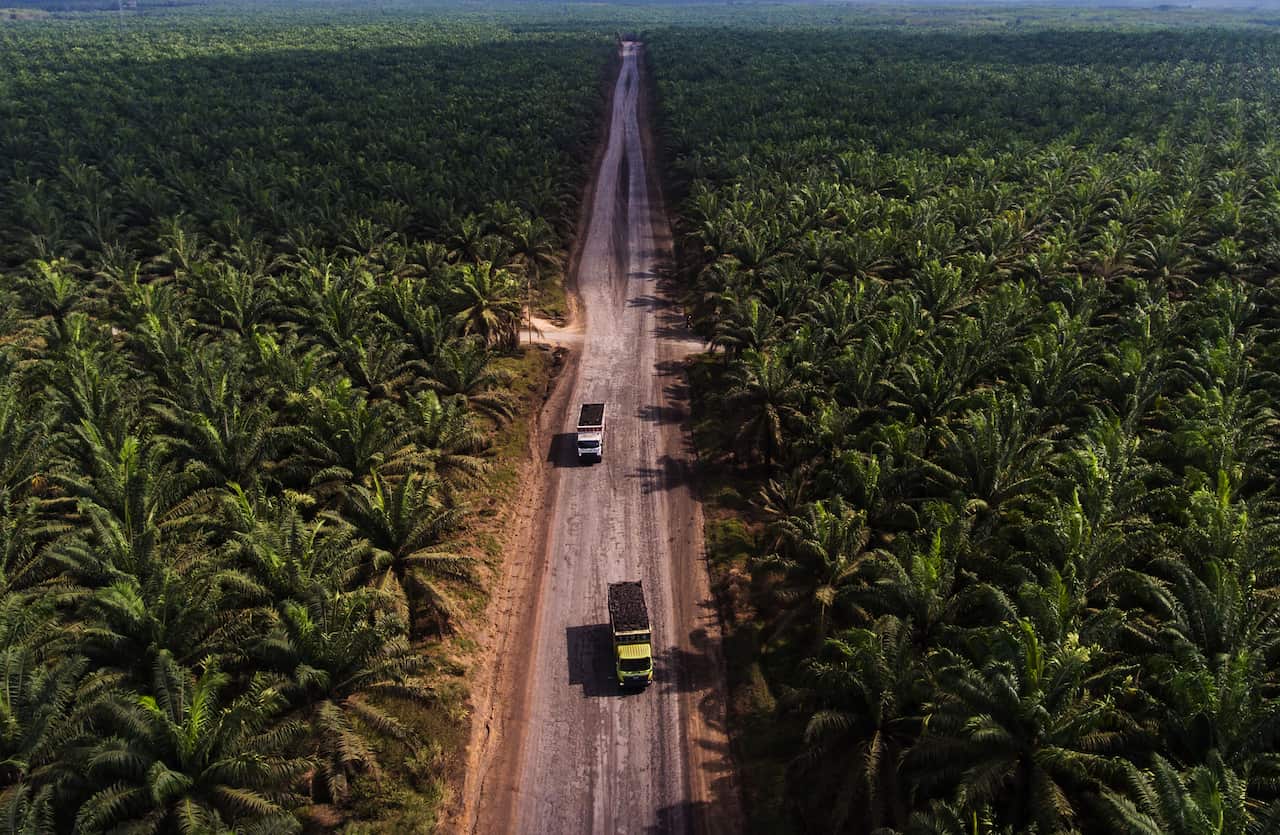
In addition to the financial burden, the increase in the target for biodisel mixtures also triggers a new threat of deforestation due to the high demand for raw materials.
With the B50 target, at least 19 million tonnes of crude palm oil is needed out of a total national production of 50 million tonnes.
These conditions prompted the government to target the opening of 600,000 hectares of new land, with the Papuan region the main target of expansion after land availability in Sumatra and Borneo became limited and problematic.
This situation places the biodisel program in a gray zone, where the promise of environmental partiality clashes with the reality of forest destruction and economic losses for small farmers.
As a solution, the government is expected to model a more flexible Malaysian policy in determining the amount of biodiesel blends.
Such a dynamic approach is considered capable of maintaining price balance at the farmer level while suppressing massive land expansion ambitions that risk damaging the rest of Indonesia's tropical forests.
================
Nurhadi Sucahyo
Listen to SBS Indonesian every Monday, Wednesday, Friday and Sunday at 3pm. Follow us on Facebook and Instagram, and don't miss our podcasts.