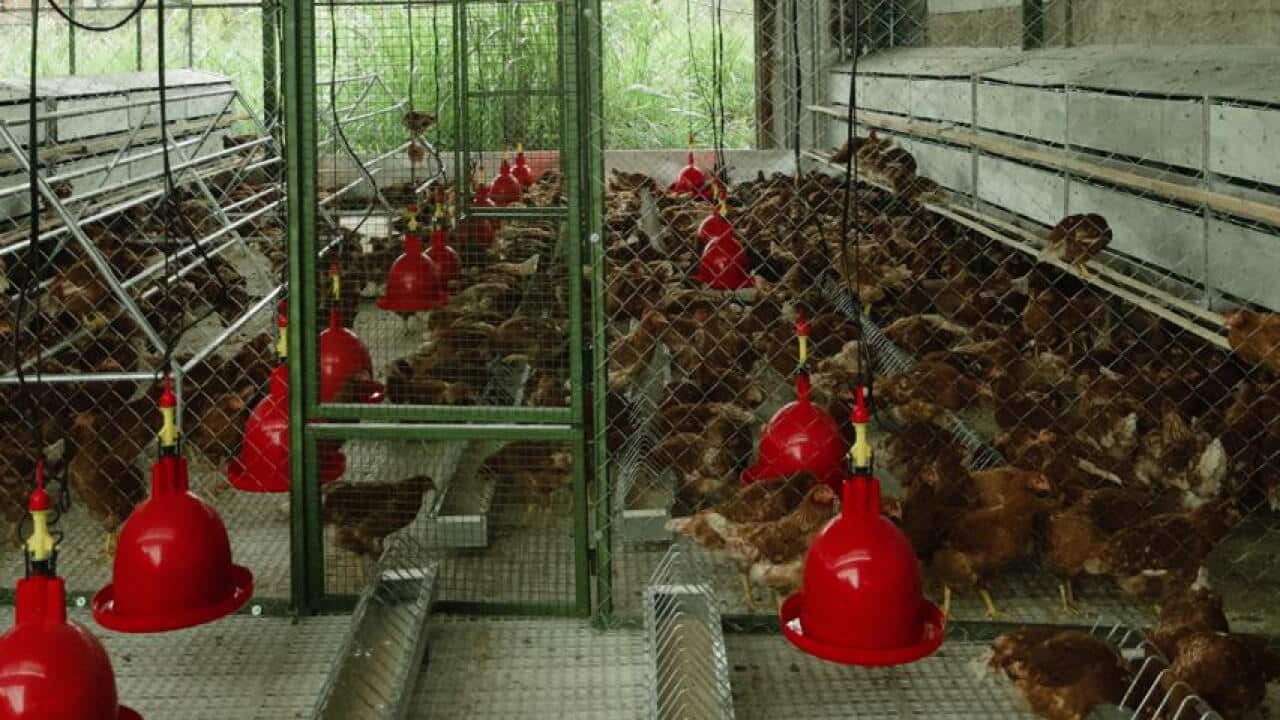

Recently, the consumption of eggs from cage-free chickens has been gaining popularity in Indonesia — or at least in certain regions. Although they are perceived as healthier, are consumers readily accepting them?
Recently, the consumption of eggs produced by cage-free chickens has been gaining popularity in Indonesia, or at least in certain regions.
Consumers are primarily drawn to these eggs due to health considerations and concerns regarding animal welfare — specifically, the well-being of the chickens themselves. However, this does not mean the product is easily accepted by the general public, as it comes with a higher price tag.
Rahmat Ardiansyah, Operations Director of PT Talun Indonesia Baharu in Cileunyi, Bandung Regency, West Java, explains that cage-free chickens are those provided with ample space to move around.
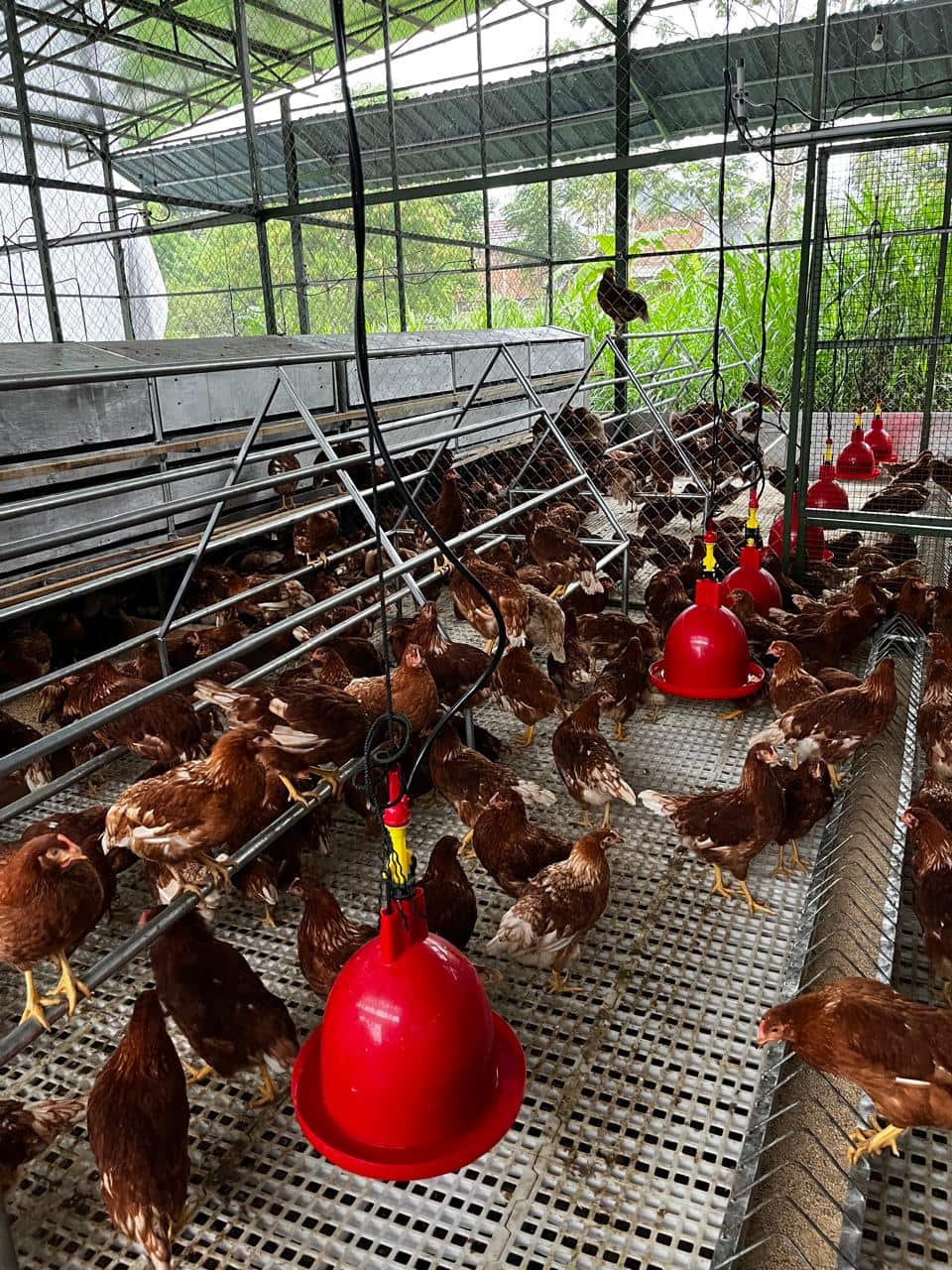
Typically, laying hen farms in Indonesia house chickens in cages where they are packed tightly together and unable to move freely. Their lives consist solely of eating and laying eggs, without the opportunity to enjoy fresh air or sunlight.
"They are unable to express their natural behaviours. In contrast, cage-free chickens have greater freedom of movement; while there are still spatial boundaries, they are at least free to move about," Rahmat explained.
The issue of animal welfare is not yet widely prominent in Indonesia. According to Rahmat, the poultry farming concept that ensures animal welfare was adopted from various European and American countries, where this issue has gained traction. Recently, however, Rahmat noted that public awareness regarding this issue in Indonesia has been growing.
Listen to the full podcast.